Metal vs Vinyl Siding: Cost, Differences & Which to Choose in 2026
Metal vs Vinyl Siding: Cost, Differences & Which to Choose in 2026
Choosing new siding is one of the biggest exterior decisions a homeowner makes, and the two names that come up most are steel or aluminum panels and traditional vinyl. The metal vs vinyl siding question comes down to budget, durability, maintenance, and the look you want for the next few decades. Neither is the right answer for every home, and the best choice depends on your priorities and your climate. If you are planning a full exterior update, it also helps to understand how siding and roofing work together to protect your home before you commit.
Here is what you will learn in this post:
- Why the siding material you choose affects more than appearance
- 6 key differences between metal and vinyl siding
- Typical 2026 cost ranges and what drives the price
- The honest pros and cons of each material
- How each one handles Ohio weather, hail, and temperature swings
- A simple framework for deciding which one fits your home
Why the Siding Decision Matters More Than Most Homeowners Expect
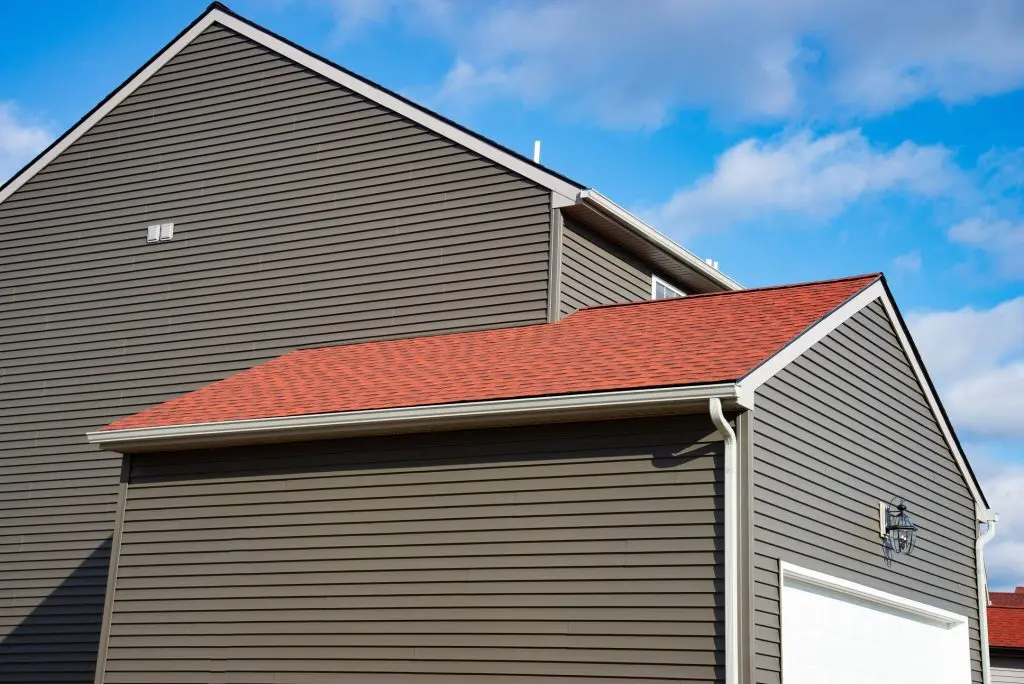
Siding is the outer layer of your home’s weather barrier, and it does far more than set the color of the house. It sheds rain, blocks wind, protects the wall sheathing and insulation behind it, and affects how often you will be maintaining, repairing, or replacing the exterior over the coming decades. A material that suits one climate or budget can be a poor match for another.
For homeowners in Massillon, OH and surrounding areas, siding has to handle humid summers, freezing winters, heavy snow, and the occasional hail storm. That mix of conditions exposes the real differences between materials faster than a mild climate would. Here is why the choice deserves careful thought before you request quotes:
- It is a long-term commitment: Siding is expensive to remove and replace, so the material you choose will likely be on your home for 20 years or much longer.
- Maintenance needs differ widely: Some materials need regular cleaning, repainting, or repair, while others are close to hands-off. The yearly effort adds up.
- Weather performance varies: Impact from hail, cold-weather brittleness, and heat-related warping all affect materials differently.
- Curb appeal affects resale value: Siding is one of the most visible features of a home, and its condition shapes first impressions for buyers.
- Upfront cost and lifetime cost are not the same: The cheapest option on the quote is not always the least expensive over 30 years once repairs and replacement are counted.
6 Key Differences Between Metal vs Vinyl Siding
Comparing the two materials fairly means looking at more than the price tag. These six factors cover the differences homeowners notice most in daily life and over time, from the first quote to the day the siding eventually needs replacing.
1. Upfront Cost
Vinyl is typically the more affordable option up front. Published 2026 cost guides generally put installed vinyl siding in the range of roughly $3 to $12 per square foot, with most projects landing toward the middle of that range depending on quality and trim details.
Metal siding usually costs more, with installed prices commonly falling from about $4 to $16 per square foot depending on the metal, the panel profile, and the gauge. Standing seam and specialty profiles sit at the higher end, while basic steel and aluminum panels sit toward the lower end.
- Removing old siding before installation typically adds to either material’s total cost
- Two-story homes, complex rooflines, and many windows increase labor on both
- Always compare itemized quotes, since trim, flashing, and insulation backing vary
2. Durability and Lifespan
Vinyl siding commonly lasts around 20 to 40 years depending on quality, sun exposure, and installation. Metal siding often lasts 40 years or more, and a quality coated steel or aluminum product can outlast vinyl by a meaningful margin when it is installed and maintained correctly.
Lifespan is not only about the material itself. Installation quality, fastening, and flashing details determine whether either product reaches its potential.
- Vinyl can fade, warp, or become brittle as it ages
- Metal coatings can chalk or scratch over time, though the underlying panel often remains sound
- A correct installation matters as much as the material on either one
3. Weather and Impact Resistance
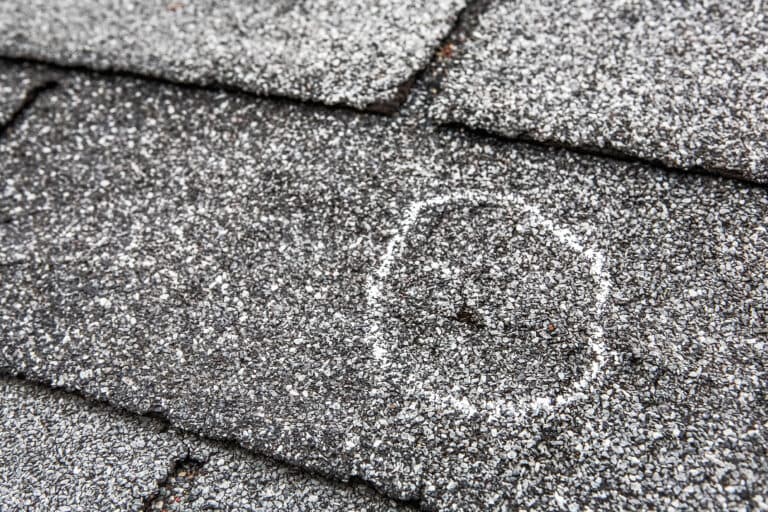
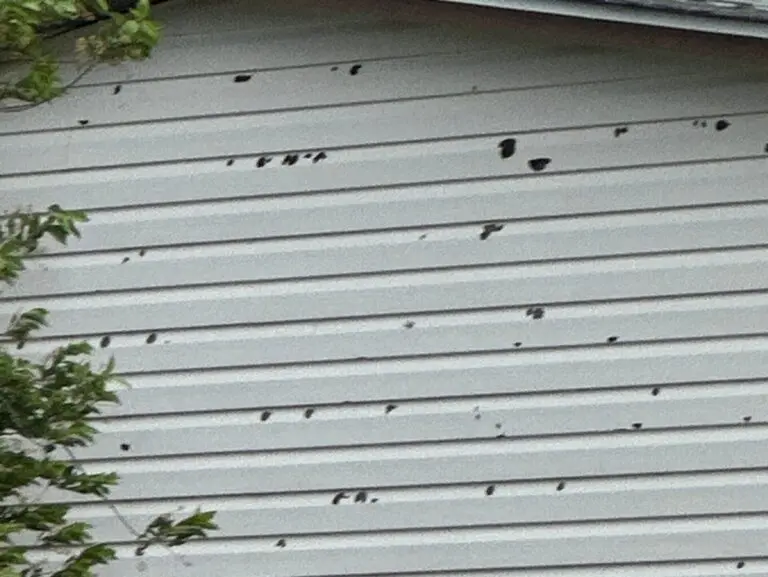
Each material fails differently in bad weather. Vinyl can crack when struck in cold temperatures, and large hail can leave holes or splits. In extreme heat, vinyl can warp, and reflected heat from certain windows can distort panels.
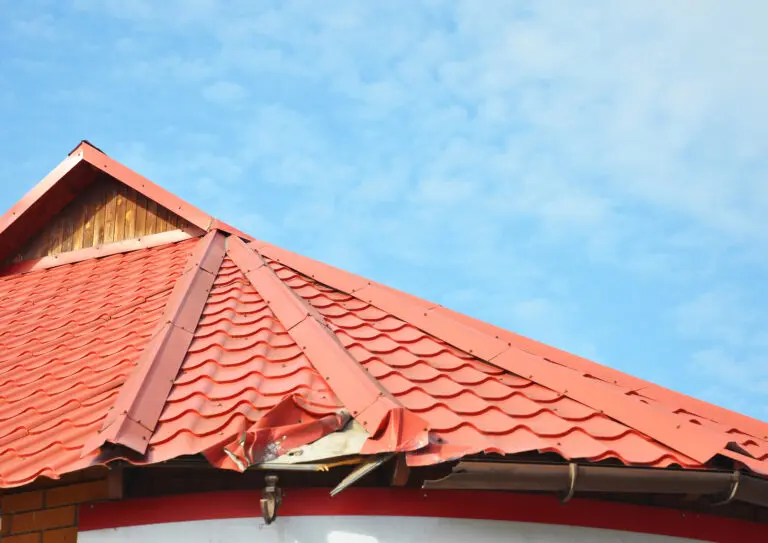
Metal resists cracking and does not warp the same way, but it can dent. Aluminum dents more easily than steel, and a hard hail strike can leave visible marks. In Massillon, OH and surrounding areas, where hail and winter temperature swings are both realistic concerns, the type of damage you are more willing to live with is worth considering.
- Vinyl tends to crack or split under impact, especially in cold weather
- Metal tends to dent rather than crack, and heavier gauges resist denting better
- Both can be repaired by replacing individual panels when damage is limited
4. Maintenance Requirements
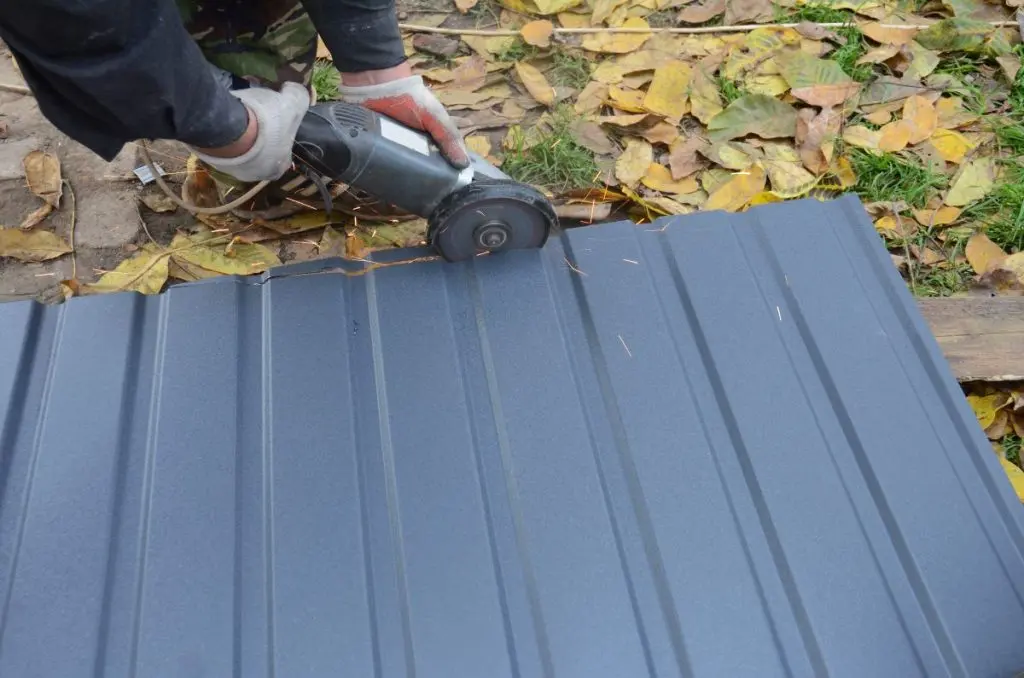
Both materials are relatively low maintenance compared with wood, but they are not maintenance free. Vinyl needs periodic washing to keep mildew and dirt from building up, and damaged panels need prompt replacement to keep water out.
Metal also benefits from periodic washing, and scratches that expose bare metal should be touched up to prevent rust, particularly on steel. Metal can be repainted when the finish ages, while vinyl is harder to refinish successfully.
- Wash either material once or twice a year with a soft brush and mild cleaner
- Inspect caulk and trim around windows and doors every year
- Touch up scratches on steel promptly to prevent corrosion
5. Appearance and Customization
Vinyl comes in a wide range of colors and textures, including wood-grain finishes, and it is easy to find in standard profiles at most suppliers. Color is baked into the material, which keeps maintenance simple but limits repainting options.
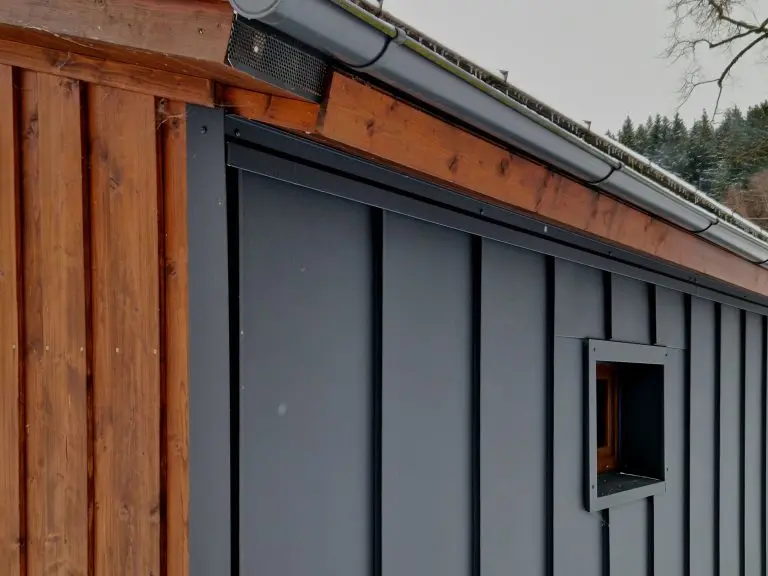
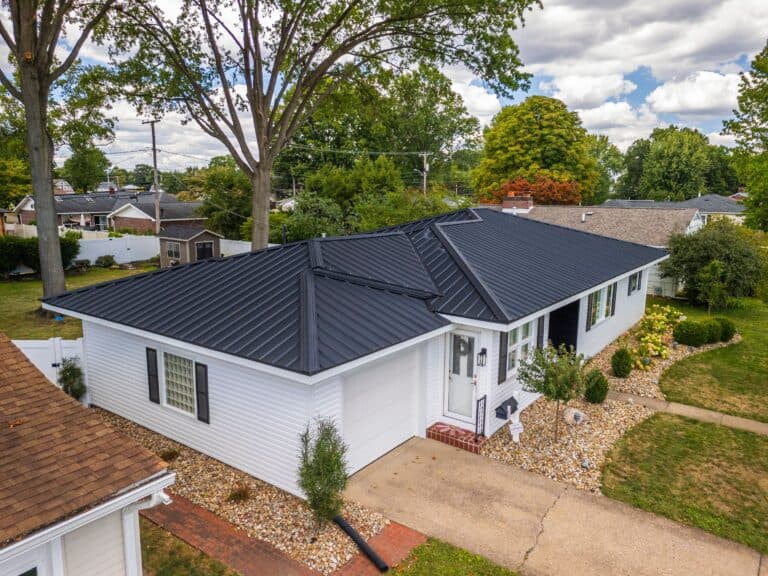
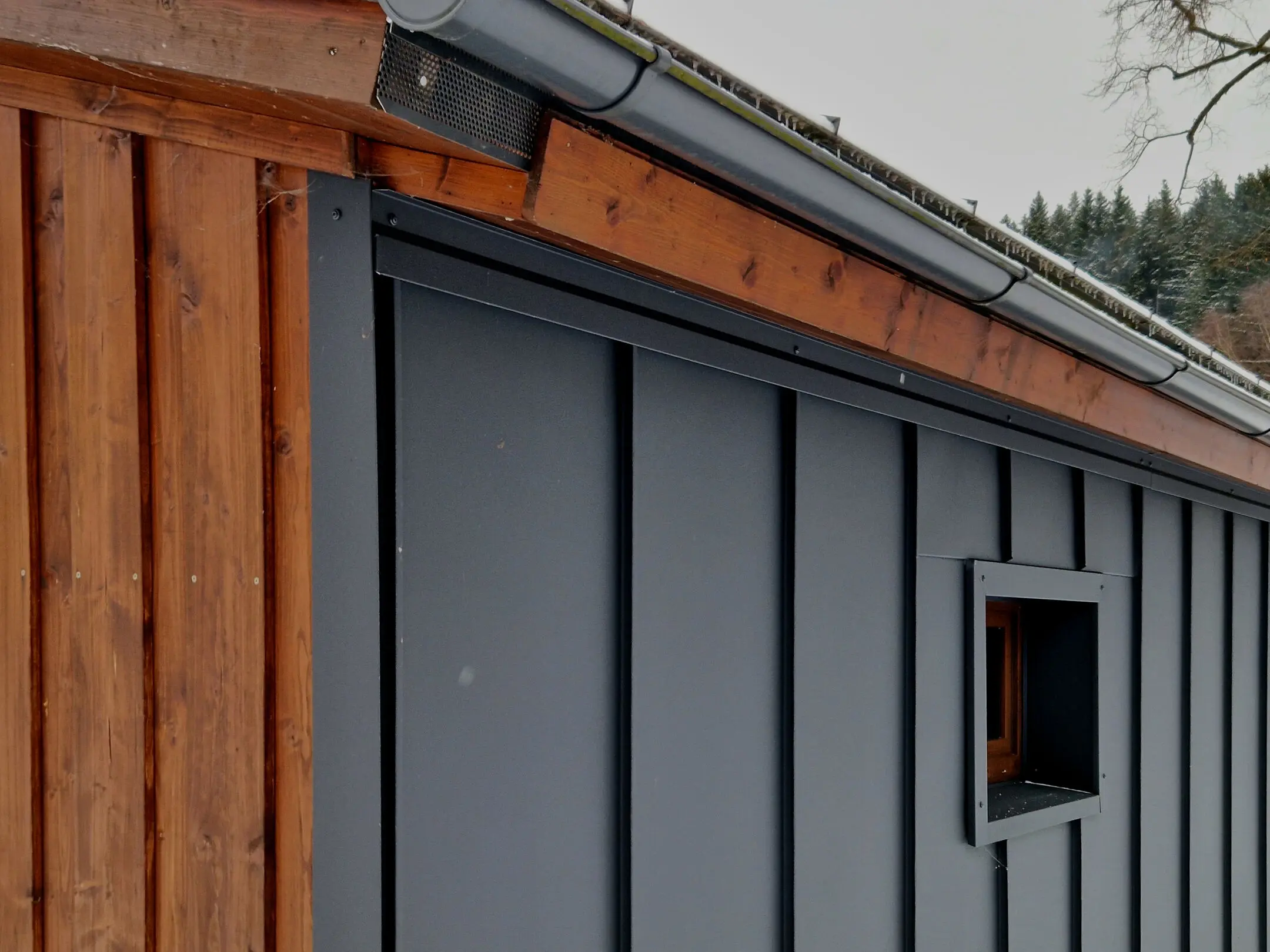
Metal offers a different look, from traditional horizontal lap profiles to board-and-batten and modern vertical panels. It tends to read as sleek and contemporary, though wood-grain finishes are available for a warmer appearance. Color choices are broad, and the material can be repainted.
- Vinyl offers many budget-friendly color and texture options
- Metal supports crisp lines, bold colors, and modern or rustic profiles
- Ask to see physical samples in daylight rather than relying on screens
6. Energy Efficiency and Noise
Neither material provides much insulation on its own. Both perform best when paired with quality sheathing, housewrap, and wall insulation, and insulated versions of each are available at a higher price.
Noise is one practical difference. Metal siding without insulated backing can be louder during heavy rain or hail than vinyl. Metal does reflect heat, which can help in summer, while insulated vinyl can improve the wall’s thermal performance.
- Insulated backing improves comfort and reduces noise on both materials
- Air sealing and wall insulation matter more than the siding itself
- Ask about insulated options if energy performance is a priority
The Honest Pros and Cons of Each Material
Every siding material involves tradeoffs. Rather than declaring a winner, it helps to look at what each one does well and where it falls short, so you can weigh the factors that matter most to your household.
Metal Siding
- Long lifespan: Quality metal siding often outlasts vinyl, making it a strong choice for homeowners who plan to stay in the house for decades.
- Fire resistance: Metal is non-combustible, which is a real advantage compared with materials that can melt or burn.
- Pest and rot resistance: Metal does not rot or attract insects the way wood can.
- Higher upfront cost: The initial price is typically above vinyl, which can be a barrier on a tight budget.
- Can dent or scratch: Hail or a thrown object can leave marks, and exposed steel needs touch-up to avoid rust.
Vinyl Siding
- Lower upfront cost: Vinyl is usually the more affordable option and is widely available from many installers.
- Low maintenance: It does not need painting, and routine washing is usually enough.
- Wide color and style range: Many finishes are available at a range of price points.
- Can crack or warp: Cold-weather impact and heat can damage panels, and fading is common over time.
- Shorter typical lifespan: Most vinyl will need replacement sooner than a quality metal product.
How to Decide Which Siding Is Right for Your Home
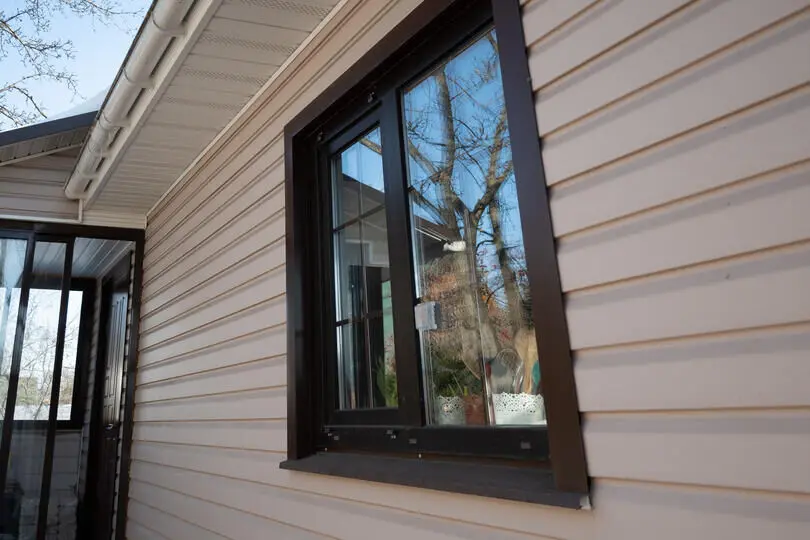
The right choice depends on how long you plan to stay, what you are willing to spend now versus later, and which kind of risk you are most comfortable with. A side-by-side view helps clarify the tradeoffs.
Quick Comparison
| Factor | Metal Siding | Vinyl Siding |
| Typical installed cost | Roughly $4 to $16 per sq ft | Roughly $3 to $12 per sq ft |
| Typical lifespan | 40 years or more | About 20 to 40 years |
| Hail and impact | Can dent, rarely cracks | Can crack or split |
| Cold weather | Performs well | Can become brittle |
| Fire resistance | Non-combustible | Can melt or warp |
| Repainting | Possible | Difficult |
| Upfront affordability | Higher cost | Lower cost |
Choose Metal If
Metal is a strong fit if you plan to stay in your home for the long term, value fire resistance and durability, and prefer a modern or distinctive look. It is also worth considering in areas with hail-prone weather, where heavier-gauge steel resists damage better than many alternatives.
Choose Vinyl If
Vinyl makes sense if upfront budget is your top priority, you want broad color choices, and you are comfortable with a shorter replacement cycle. It remains a practical choice for many homes, particularly when a quality product is installed correctly.
For homeowners in Massillon, OH and surrounding areas, the best next step is to get itemized quotes for both materials on the same home and compare them side by side, including trim, flashing, and any insulation backing.
Get an Honest Recommendation for Your Home
The metal vs vinyl siding decision is easier when you can see real numbers for your house and talk through the tradeoffs with someone who installs both. A good contractor will explain what each material does well, where it falls short, and which one fits your budget and your timeline rather than steering you toward the more expensive option by default.
At Keim Quality Roofing, we help homeowners throughout Massillon, OH and surrounding areas weigh their exterior options and plan projects that protect the whole home. We look at your house, listen to your priorities, and give you a straightforward recommendation with clear, itemized pricing. If you are ready to compare your options, contact us today and let Keim Quality Roofing help you choose the siding that fits your home and your budget.