Metal Roofing Options: 6 Styles to Consider for Your Home
Choosing a new roof is one of the most significant decisions a homeowner can make, and the material choice shapes everything from how the home looks to how well it holds up over decades of Ohio winters. The good news is that today’s metal roofing options offer far more variety in style, profile, and finish than most homeowners expect when they start the process. Whether you are drawn to the clean lines of a standing seam system or prefer something that mimics the look of traditional shingles, there is a metal roofing style built for your home. Exploring how modern metal roofing is engineered to perform through every season is the best way to understand why so many homeowners are making the switch.
Here is what you will learn in this guide:
- Why metal roofing has become one of the most popular choices for Ohio homeowners
- The six most common metal roofing styles and what each one offers
- How to match a roofing profile to your home’s architecture and your personal priorities
- What substrate and coating options affect long-term performance and appearance
- How metal roofing compares to asphalt shingles on cost, lifespan, and maintenance
- What to look for in a contractor when selecting a metal roofing system
Why Metal Roofing Has Earned Its Place in Ohio Homes
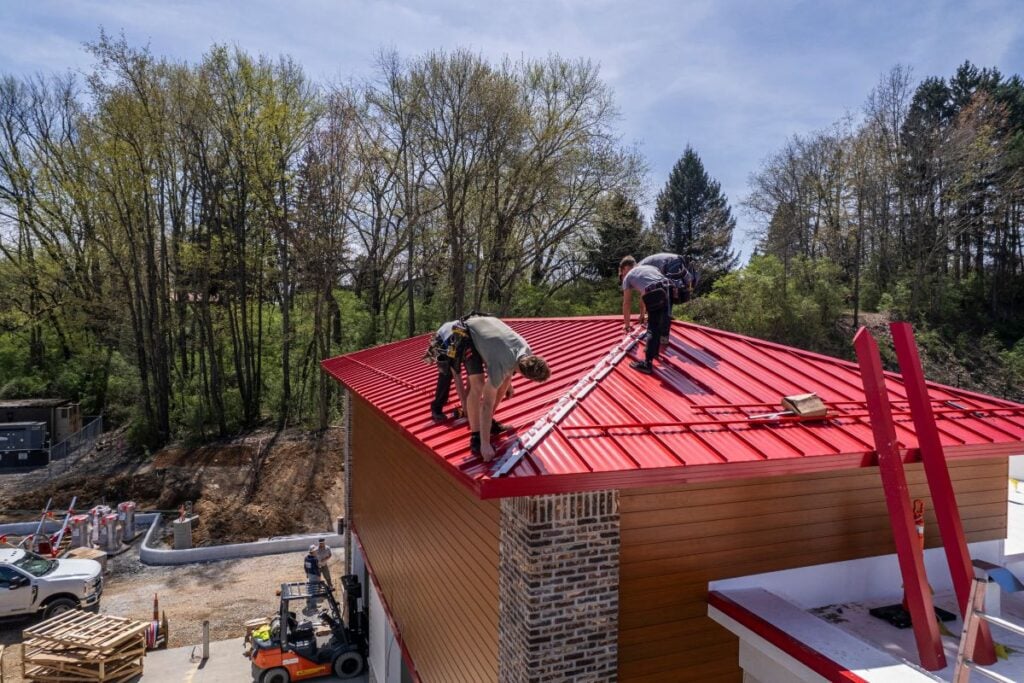
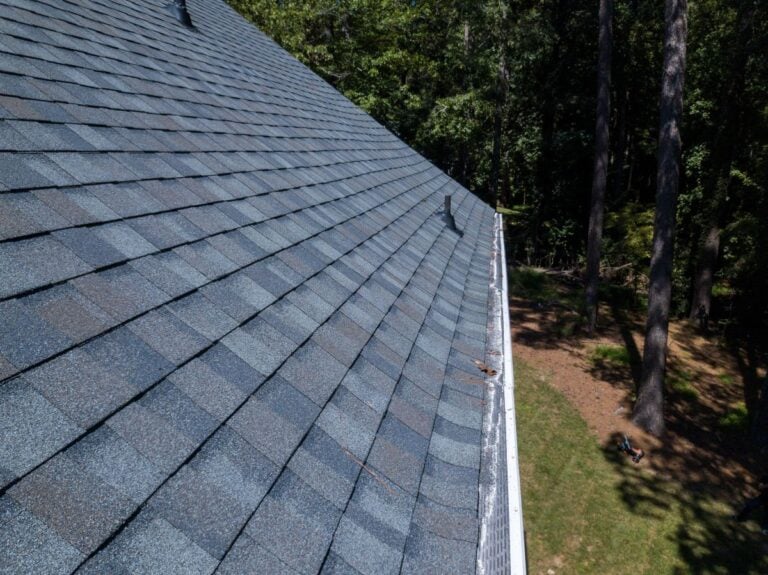
Ohio weather does not make life easy for residential roofing. Freeze-thaw cycling through winter, heavy lake-effect snow in some regions, spring hail, summer heat, and high-wind thunderstorms combine to create one of the more demanding climates for roofing materials in the country. Asphalt shingles handle these conditions reasonably well for a limited period, but homeowners who have been through one or two replacement cycles on a property often start asking whether there is a better long-term solution.
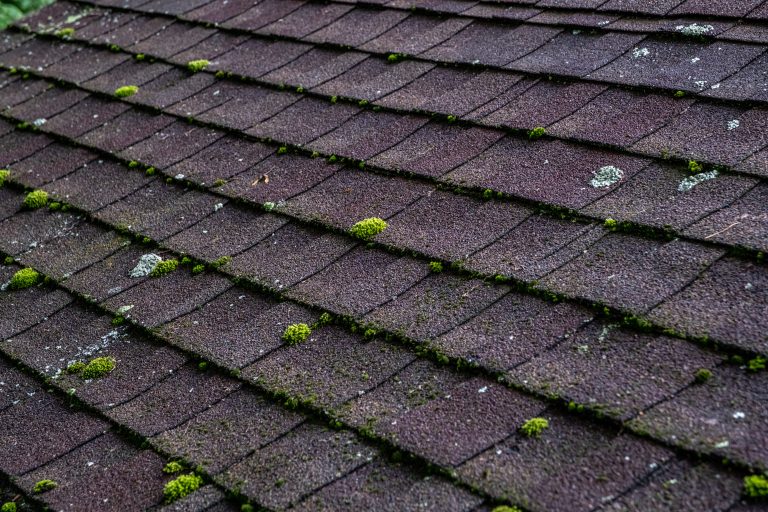
Metal roofing earns serious consideration in this climate because it was engineered to handle exactly the conditions that degrade asphalt fastest. In the Dover, OH and surrounding areas, where winters are long and temperature swings are pronounced, the performance advantages of metal compound significantly over time. A quality metal roof installed correctly does not require the same level of ongoing maintenance attention that asphalt demands, and it does not face the same vulnerability to the granule loss, brittleness, and algae colonization that shorten asphalt’s effective service life in humid Ohio conditions.
Here is why the shift toward metal roofing is accelerating among informed homeowners:
- Exceptional lifespan: A properly installed metal roof lasts 40 to 70 years, compared to the 20 to 25 year typical service life of standard architectural asphalt shingles. For homeowners in Dover, OH and surrounding areas who plan to stay in their home long-term, this difference eliminates at least one full replacement cycle.
- Low maintenance requirements: Metal does not shed granules, does not support moss or algae on properly coated surfaces, and does not become brittle with age the way asphalt does. Maintenance is primarily limited to periodic inspection of sealants at penetrations and keeping gutters clear.
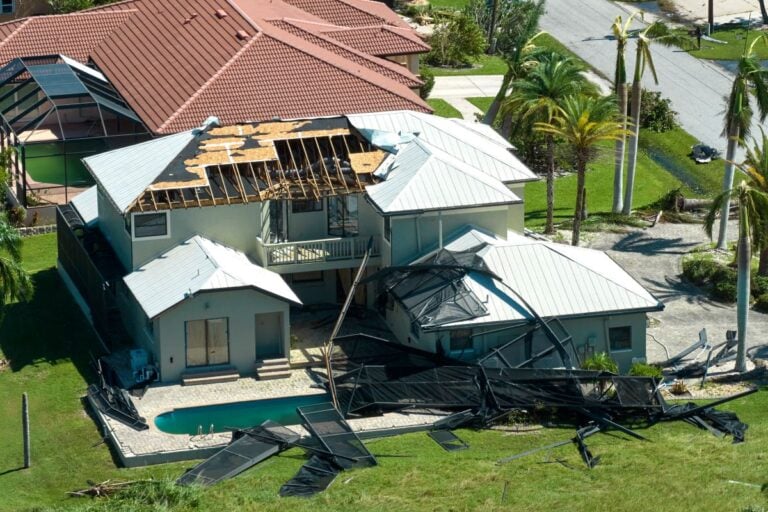
- Superior wind and impact resistance: Metal roofing systems rated for high wind loads outperform standard asphalt significantly, and Class 4 impact-rated metal products may qualify for insurance premium discounts in Ohio.
- Energy efficiency: Reflective metal roofing finishes reduce solar heat gain in summer, decreasing cooling loads and contributing to lower energy costs across the warm months.
- Aesthetic versatility: The six styles covered in this guide demonstrate that metal roofing is no longer limited to the corrugated commercial look that many homeowners picture when they first consider the material.
6 Metal Roofing Styles to Consider for Your Home
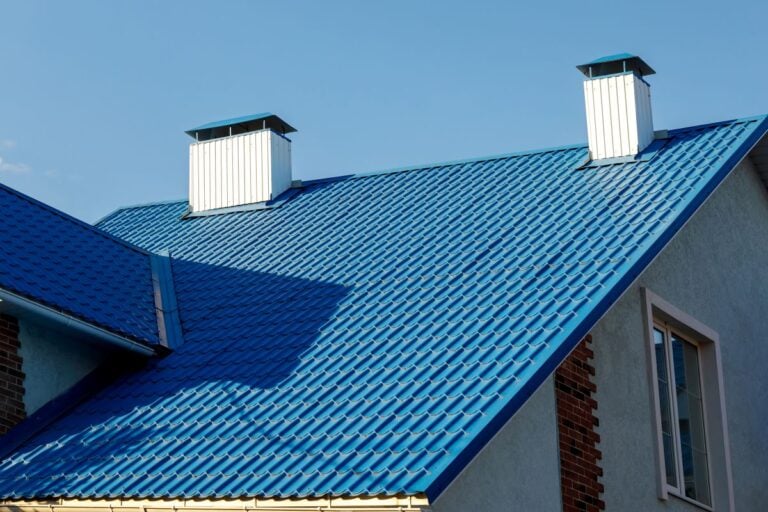
The range of metal roofing profiles available in 2026 means that virtually every architectural style has a metal option that complements rather than conflicts with the home’s existing character. These six styles represent the full spectrum from clean and contemporary to richly traditional, and each one has specific strengths that make it the right choice in particular situations.
1. Standing Seam Metal Roofing
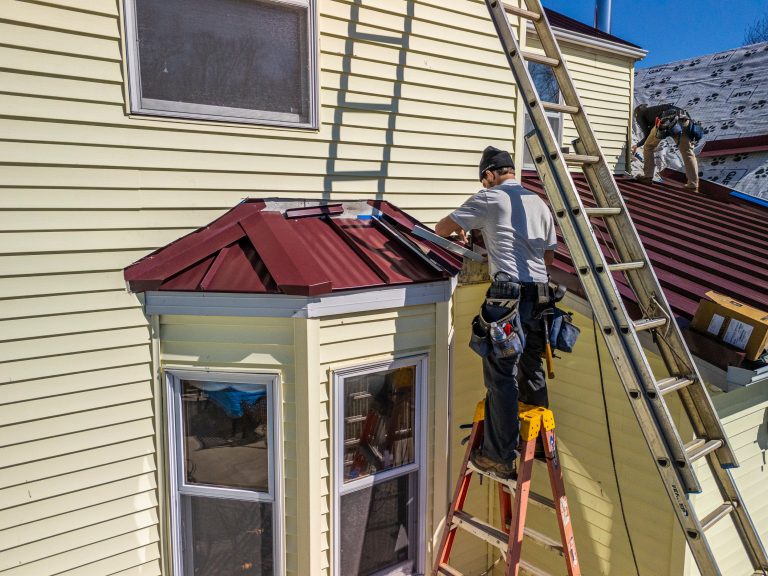
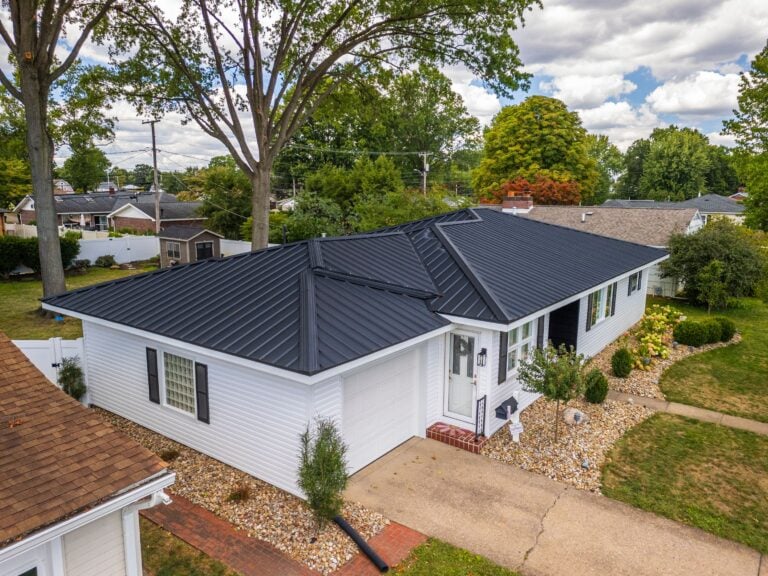
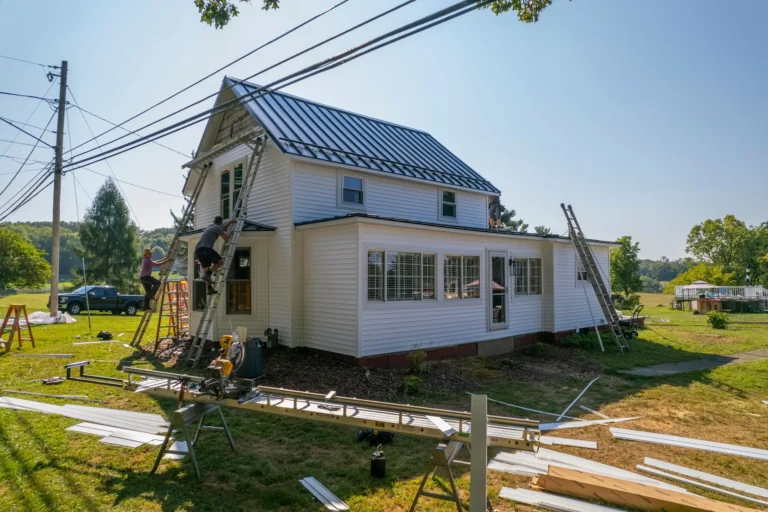
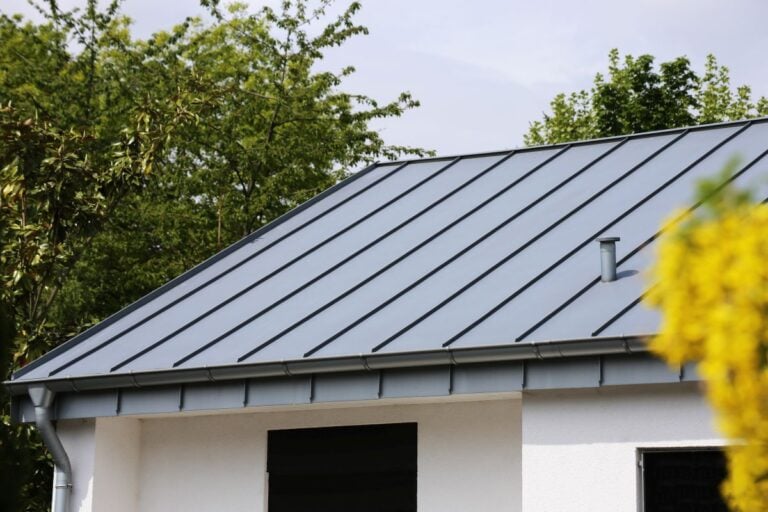
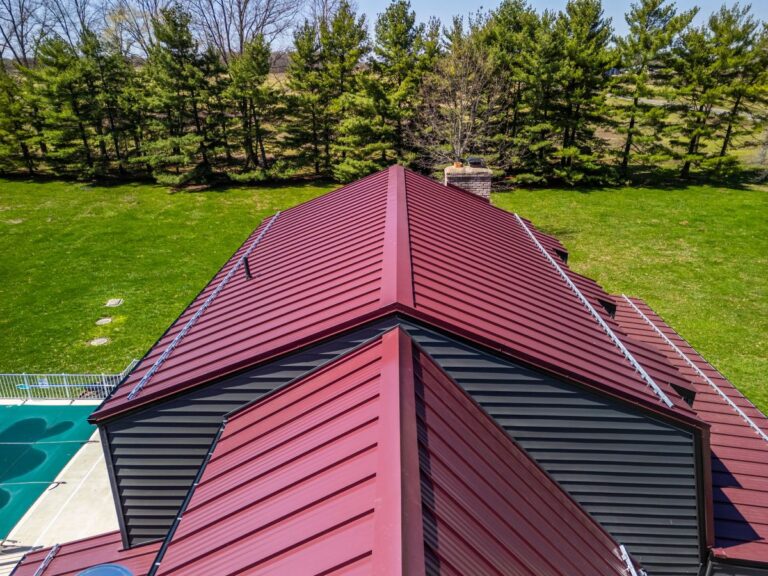
Standing seam is the benchmark metal roofing style and the one that defines what most people picture when they think of a quality metal roof. Panels run vertically from ridge to eave, with raised seams that interlock above the panel surface and keep water well clear of any connection point in the system. Fasteners are fully concealed within those seams, eliminating exposed hardware that could corrode, back out, or admit water infiltration over time.
The floating clip attachment system used in most standing seam installations allows individual panels to expand and contract with temperature changes without stressing seams or fasteners, which is particularly valuable in Ohio’s pronounced seasonal temperature range. This thermal movement accommodation is one of the primary reasons standing seam systems deliver such consistent long-term performance compared to exposed fastener alternatives.
Standing seam suits these applications particularly well:
- Contemporary, modern farmhouse, and transitional architectural styles where the clean vertical lines read as an intentional design element
- Homes where maximum weather resistance is the primary priority, since standing seam’s wind uplift ratings and seam integrity exceed most competing systems
- Homeowners who want a roof they genuinely do not have to think about for decades, since standing seam’s maintenance demands are among the lowest of any roofing material
2. Metal Shingles
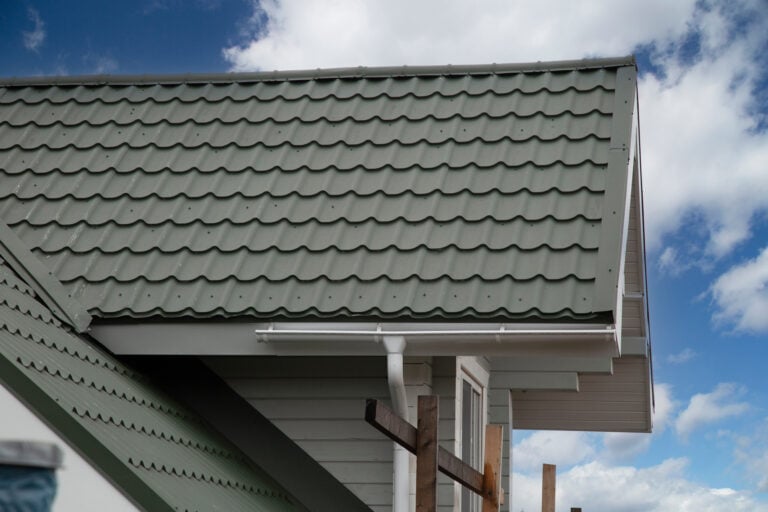
Metal shingles replicate the visual profile of traditional asphalt shingles while delivering the performance characteristics of metal roofing. They are manufactured in panels that install in overlapping rows, similar to asphalt, but with an interlocking design and coated metal substrate that provides far better durability, wind resistance, and longevity than asphalt shingles of comparable appearance.
For homeowners in Dover, OH and surrounding areas whose neighborhoods have a traditional shingle aesthetic or whose HOAs have material or appearance guidelines, metal shingles offer a path to metal roofing performance without the visual departure that standing seam represents. Many metal shingle products carry Class 4 impact ratings and are available in a wide range of colors with PVDF coating warranties that protect color retention for 30 to 40 years.
What distinguishes quality metal shingle products:
- Interlocking panel designs that prevent wind uplift from engaging individual shingles the way it can with standard asphalt
- Concealed fastener systems on premium products that eliminate the maintenance concerns of exposed fastener installation
- Compatibility with most standard residential framing without structural reinforcement, since metal shingles weigh significantly less than tile or slate alternatives
3. Metal Shake
Metal shake products replicate the rugged, textured appearance of wood shake roofing without the fire risk, rot vulnerability, and maintenance demands that natural wood requires. The profile uses embossing and surface texture to create the dimensional character of hand-split cedar shake while the underlying material is steel or aluminum with a quality coating system protecting the finish for decades.
For homes with craftsman, rustic, or cottage architectural styles where the organic warmth of wood shake is an important aesthetic element, metal shake delivers that visual character at a dramatically lower long-term maintenance cost. It also carries fire resistance ratings that natural wood shake cannot match, which affects insurance eligibility in some Ohio markets.
4. Metal Tile
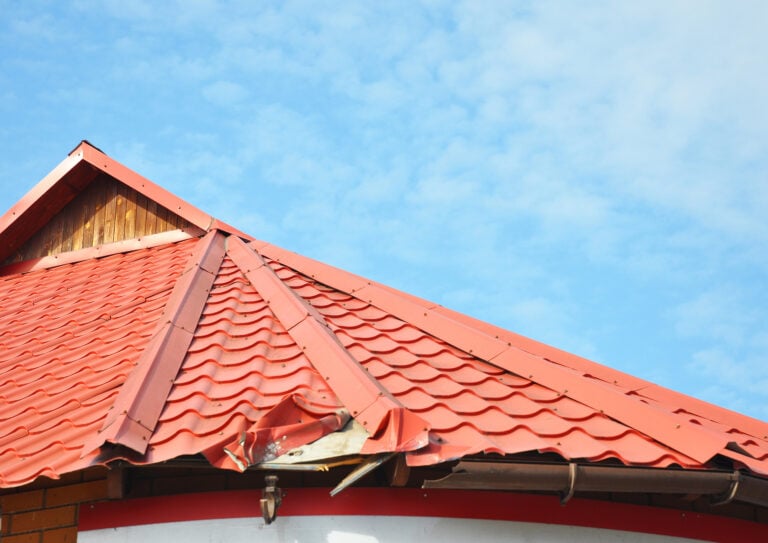
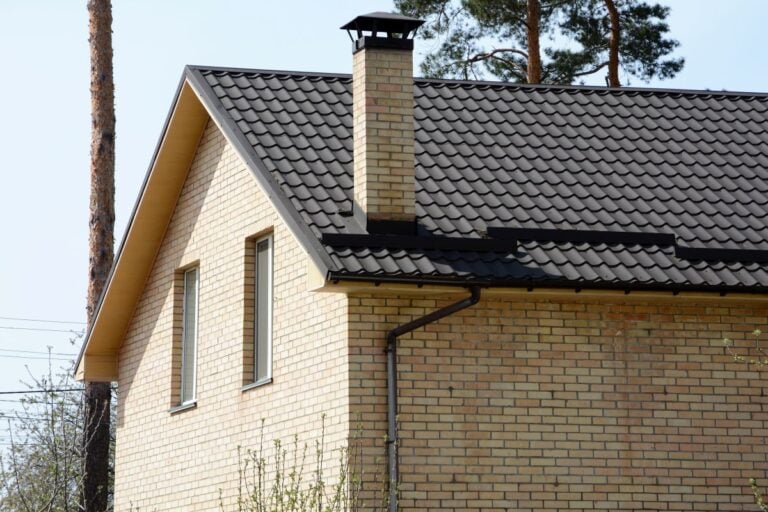
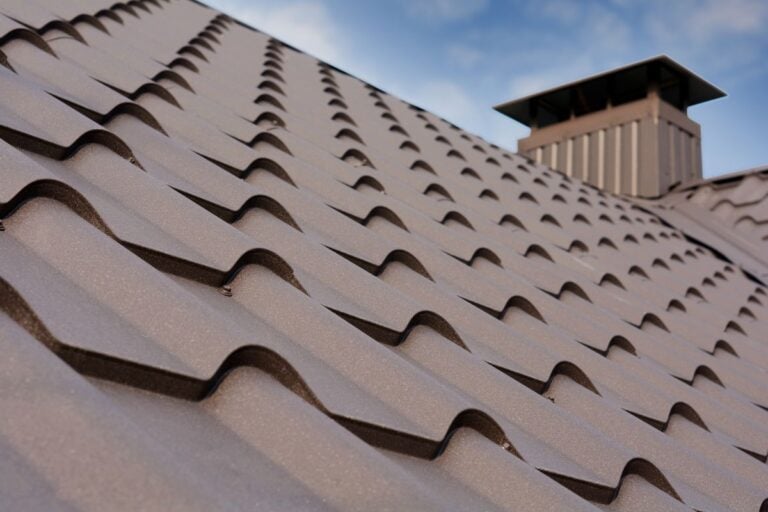
Metal tile profiles use formed steel or aluminum panels shaped to replicate the appearance of clay or concrete tile roofing. The result is a roof that carries the Mediterranean or Spanish Colonial character of traditional tile at a fraction of the weight and a fraction of the structural requirement that natural tile demands.
Natural clay tile can weigh 600 to 1,000 pounds per square, requiring structural reinforcement on most standard residential framing. Metal tile products typically weigh 50 to 150 pounds per square, making them compatible with the vast majority of existing residential structures without modification. For Ohio homeowners who love the tile aesthetic but have a home that was not built to support that weight, metal tile is the practical solution that delivers the appearance without the structural complication.
Additional advantages of metal tile:
- Available in profiles that replicate both barrel tile and flat tile aesthetics for different architectural applications
- PVDF coating systems maintain color across the pronounced seasonal temperature range in Ohio better than painted concrete tile alternatives
- Class 4 impact ratings available on most metal tile products, relevant given Ohio’s periodic hail exposure
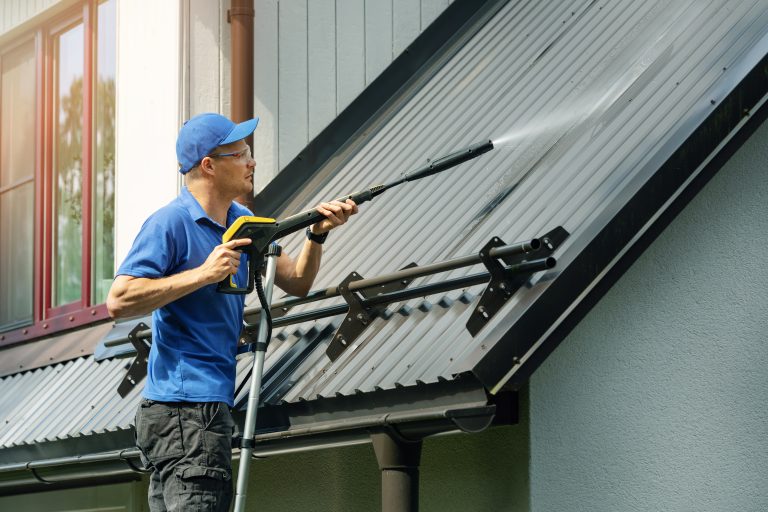
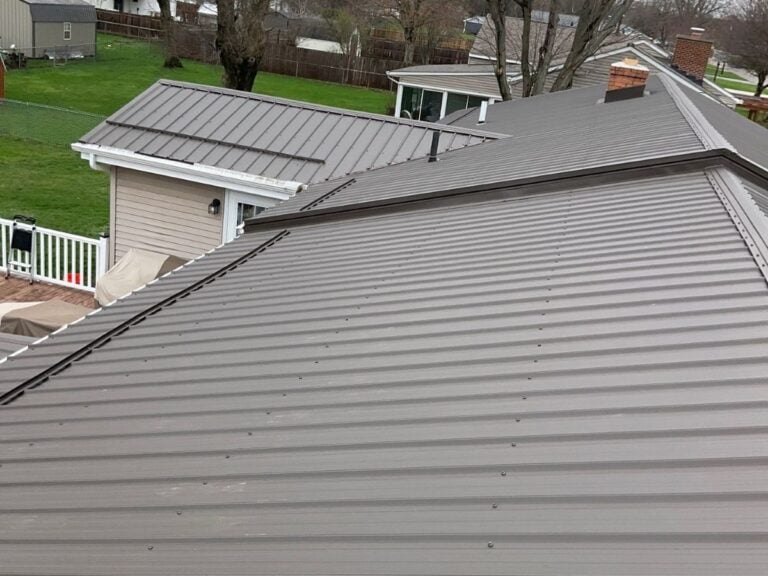
5. Corrugated Metal Panels
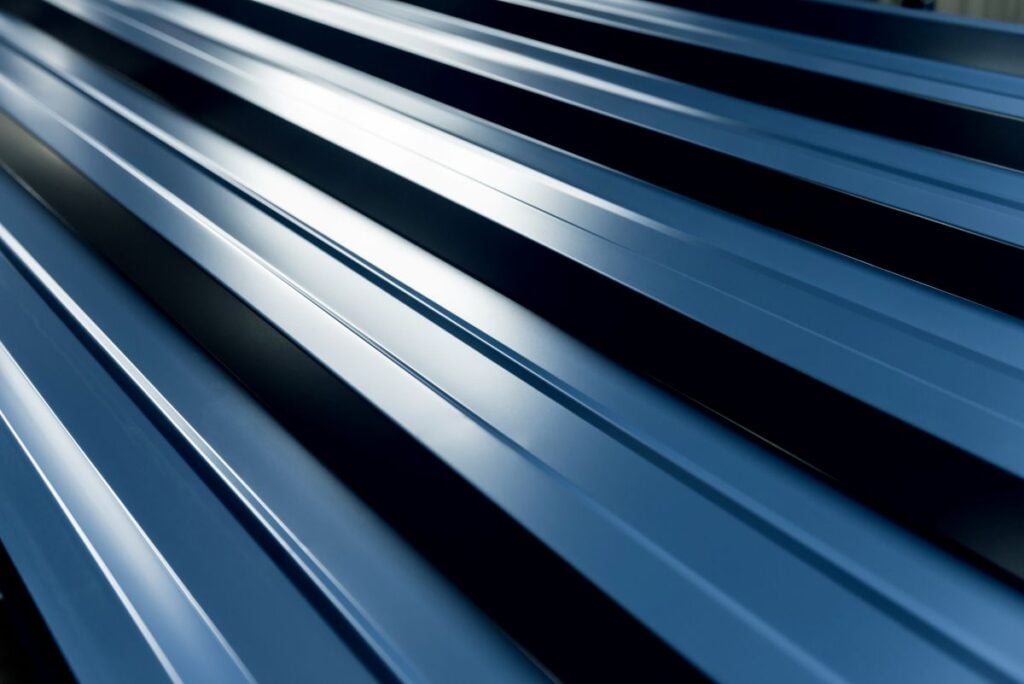
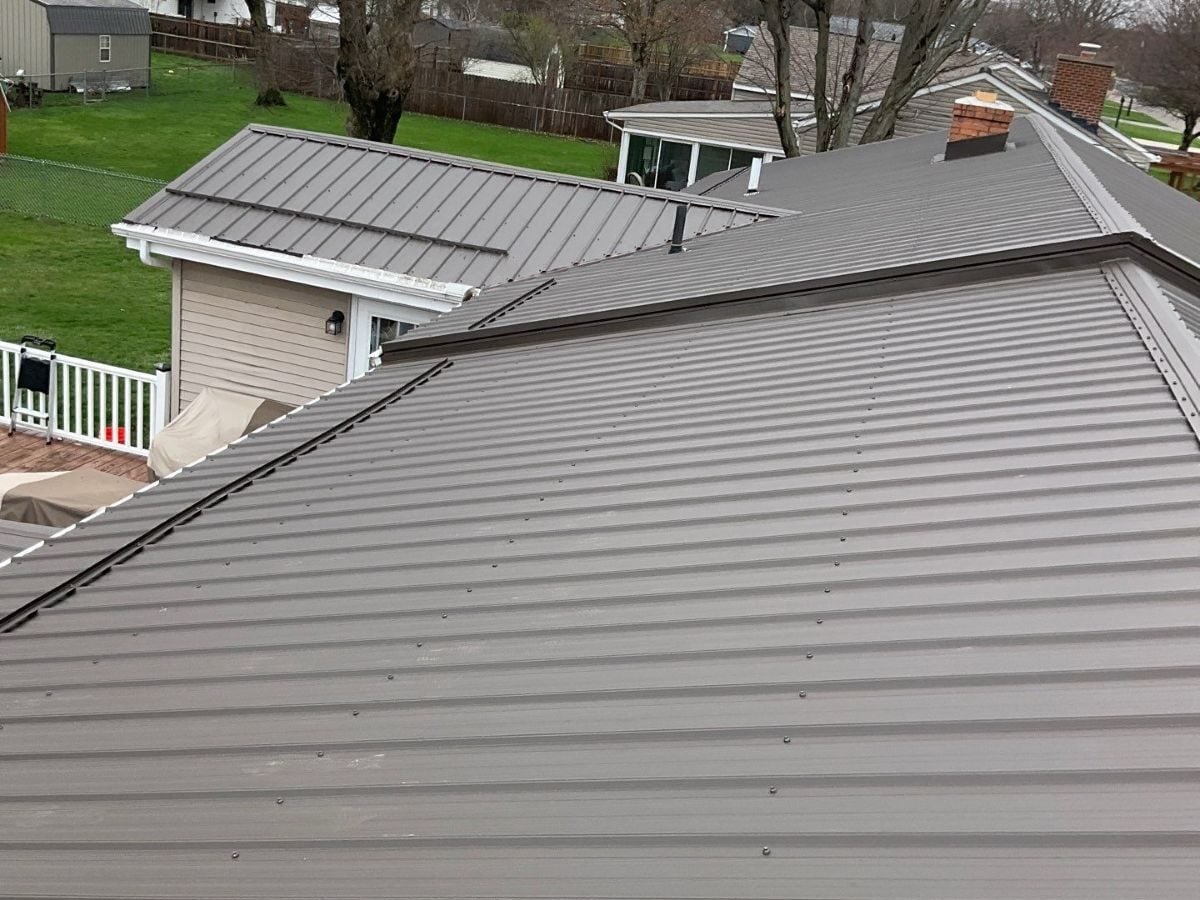
Corrugated metal panels are the most traditional and most economical metal roofing option, and they have experienced a significant aesthetic revival as the modern farmhouse and industrial-inspired architectural styles have grown in popularity. The repeating wave or rib pattern of corrugated panels is a defining visual element of these styles, and when executed intentionally, it creates a distinctive, confident exterior that reads as anything but utilitarian.
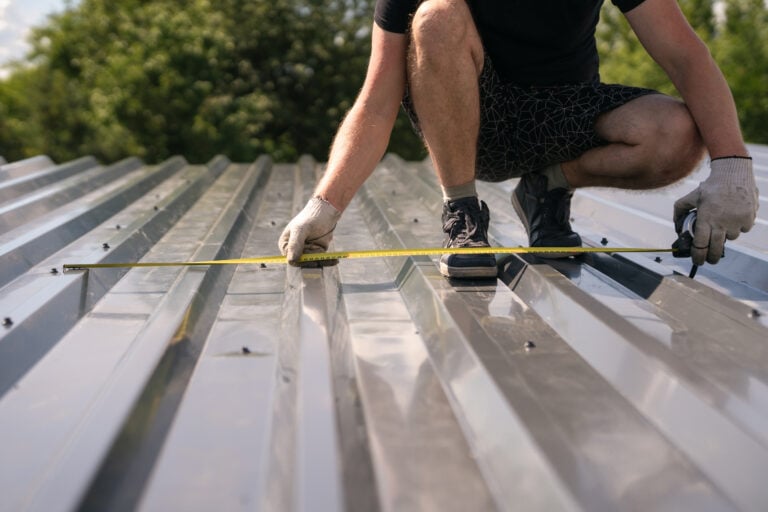
On residential applications, corrugated metal is most commonly installed with exposed fasteners, which means the fasteners are visible on the finished roof and require periodic inspection to confirm that rubber washers beneath the fastener heads have not cracked or compressed to the point of allowing water infiltration. For homeowners who find the aesthetic appropriate for their home and are comfortable with this maintenance dimension, corrugated metal offers the entry point into metal roofing at the most accessible price point.
6. Snap-Lock Standing Seam Panels
Snap-lock panels offer a standing seam aesthetic and most of the associated performance benefits at a lower installed cost than mechanically seamed systems. Rather than using a powered seaming machine to roll the panel edges together on the roof, snap-lock panels connect by pressing the female edge of one panel over the male edge of the adjacent panel during installation. The result is a raised seam connection that performs well on slopes of 1:12 and above and delivers excellent long-term durability without the seaming equipment that mechanically seamed systems require.
For homeowners who want the clean vertical line profile of standing seam on a moderate budget, snap-lock represents an excellent middle ground. It is particularly popular on residential roofs where sections with different pitches call for a cost-effective standing seam look on lower-slope sections, or where the full cost of mechanically seamed installation exceeds the project budget.
Key distinctions from mechanically seamed standing seam:
- Wind uplift performance is strong but does not match the ratings achievable with mechanically seamed systems at the very highest performance tier
- Installation is faster and requires less specialized equipment, contributing to lower labor cost
- Appropriate for slopes of 1:12 and above, with mechanically seamed systems preferred for the very low slope applications below this threshold
Substrate and Coating Options That Affect Long-Term Performance
Selecting a metal roofing profile is only part of the specification decision. The substrate material and the coating system applied over it determine how the roof holds up against Ohio’s weather across decades of service, and these choices deserve as much attention as the visual profile.
Steel with Galvalume Coating
Galvalume-coated steel is the most common substrate used in residential metal roofing and provides an excellent balance of strength, corrosion resistance, and cost. The Galvalume coating is a zinc-aluminum alloy that protects the steel substrate through both barrier protection and galvanic protection, making it significantly more corrosion-resistant than galvanized steel alone. For most residential applications in the Dover, OH and surrounding areas, Galvalume steel is the practical standard that delivers reliable long-term performance.
Aluminum
Aluminum is the preferred substrate for coastal environments where salt air creates corrosion conditions that Galvalume steel cannot fully resist. For inland Ohio locations, aluminum is less commonly specified than steel because its cost premium is not justified by the corrosion environment, but it carries its own performance advantages in formability and weight that make it the right choice for certain specialty applications and complex roof geometries.
PVDF Coating Systems
Polyvinylidene fluoride, commonly known by the trade name Kynar 500, is the gold standard coating for residential and commercial metal roofing. PVDF chemistry resists UV-induced color fading and chalking at a level that conventional polyester paint systems cannot match. Most leading manufacturers warrant PVDF-coated products against significant color fade for 30 to 40 years, and the performance data accumulated over decades of real-world installations supports those warranty commitments.
When evaluating metal roofing bids, confirm that any proposed product specifies PVDF or Kynar 500 coating rather than standard polyester. This distinction affects both the long-term appearance of the roof and the warranty coverage that comes with it.
SMP Coatings
Silicon-modified polyester, or SMP, occupies a middle tier between standard polyester and PVDF. It offers improved hardness and scratch resistance compared to standard polyester, making it popular for steel roofing products where surface durability during installation is a concern. SMP does not match PVDF’s UV resistance or long-term color retention, and its warranties reflect this with shorter terms. For homeowners prioritizing maximum appearance longevity over the full service life of the roof, PVDF remains the stronger specification.
What to Look for When Choosing a Metal Roofing Contractor
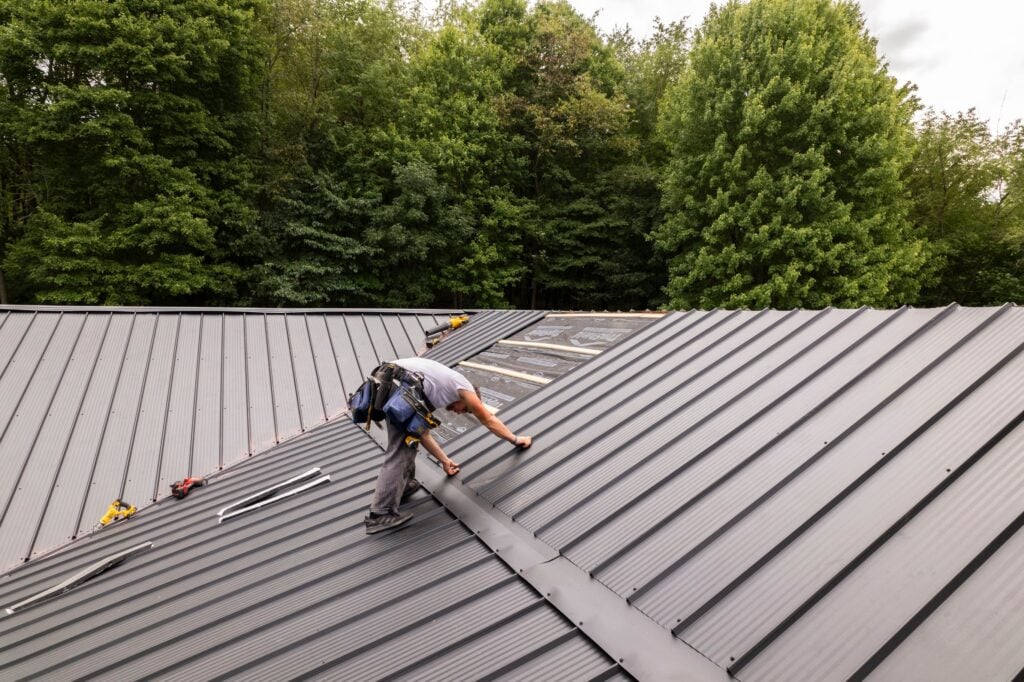
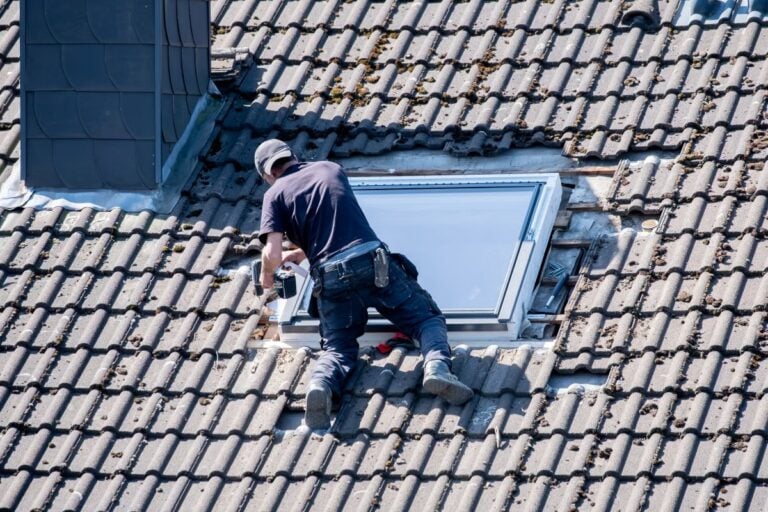
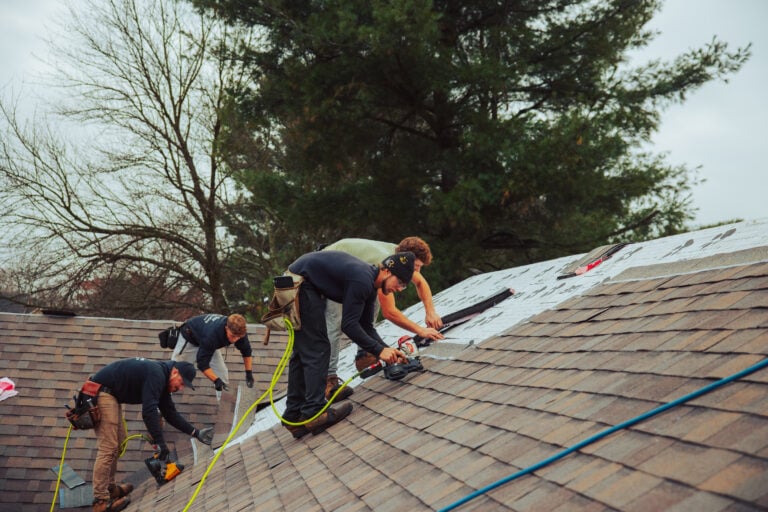
Metal roofing installation is a distinct trade skill from asphalt shingle installation, and the quality of the contractor executing the project has a direct and significant impact on how well even a premium product performs over time. Asking the right questions before selecting a contractor protects the investment the homeowner is making in the material.
- Verify metal-specific installation experience: A contractor who installs asphalt shingles competently is not automatically prepared to install standing seam or metal shingles correctly. Ask specifically about their experience with the profile type being proposed, and request references from completed projects that you can visit or contact independently.
- Confirm manufacturer certification where applicable: Several leading metal roofing manufacturers offer certification programs for contractors who have completed training in their specific product installation requirements. Manufacturer certification does not guarantee quality, but it does indicate a baseline of product-specific knowledge.
- Review the installation specification before signing: A detailed written scope of work that specifies the exact product, gauge, coating, underlayment type, and installation method protects both the contractor and the homeowner. Vague proposals that describe only the general material type without specific product details leave room for substitutions that affect performance.
- Understand the warranty structure: Metal roofing products typically carry separate manufacturer warranties for the product and contractor warranties for the workmanship. Both matter. A strong product warranty with weak workmanship coverage leaves the homeowner exposed to the installation failures that are most likely to occur within the first several years of a new roof.
- Ask about fall protection and safety compliance: Metal roofing installation on residential pitches involves working at height on surfaces that can be more slippery than asphalt. A contractor who cannot describe their fall protection program and safety compliance approach should not be trusted with your project regardless of how competitive their pricing is.
Ready to Find the Right Metal Roof for Your Home?
Metal roofing in 2026 offers Ohio homeowners a genuine choice between styles, profiles, and performance specifications that match virtually every home type and aesthetic preference. Whether the priority is maximum weather resistance, visual compatibility with a specific architectural style, long-term cost efficiency, or some combination of all three, there is a metal roofing option that fits the bill.
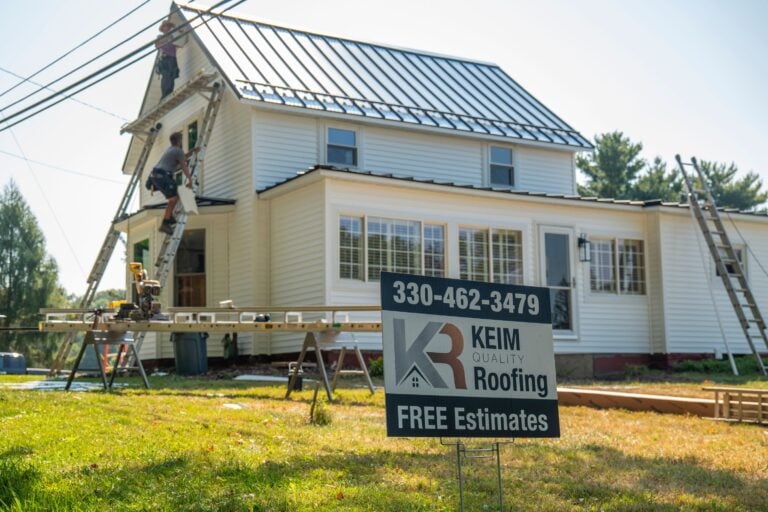
At Keim Quality Roofing, we help homeowners throughout the Dover, OH and surrounding areas navigate these decisions with honest guidance and installation quality that matches the products we specify. We install the full range of metal roofing profiles covered in this guide and bring the hands-on experience to recommend the right system for each specific home.
If you are ready to explore what metal roofing would look like for your home, contact us today to schedule a consultation and find out which style and specification makes the most sense for your situation.