Roof Moss Removal Guide (5 Safe Methods That Work)
Green growth creeping across your shingles might look like a minor cosmetic issue, but it rarely stays that way. Moss holds moisture against the roof surface for days after rain, and that persistent moisture is exactly what breaks down shingles from the outside in. Understanding roof moss removal before the problem becomes entrenched gives you the best chance of protecting your roof without causing damage in the process. If you want to understand what proper roof maintenance looks like from a roofing professional’s perspective, moss removal is one of the most important conversations to have early.
Here is what you will learn in this post:
- Why moss on a roof is a maintenance problem that compounds quickly
- 5 safe, effective methods for removing moss without damaging your shingles
- What products work and which ones create more problems than they solve
- How to prevent moss from returning after removal
- When professional moss removal is the right choice over DIY
- What the long-term consequences of untreated moss growth look like
What Moss Actually Does to Your Roof and Why It Cannot Be Ignored
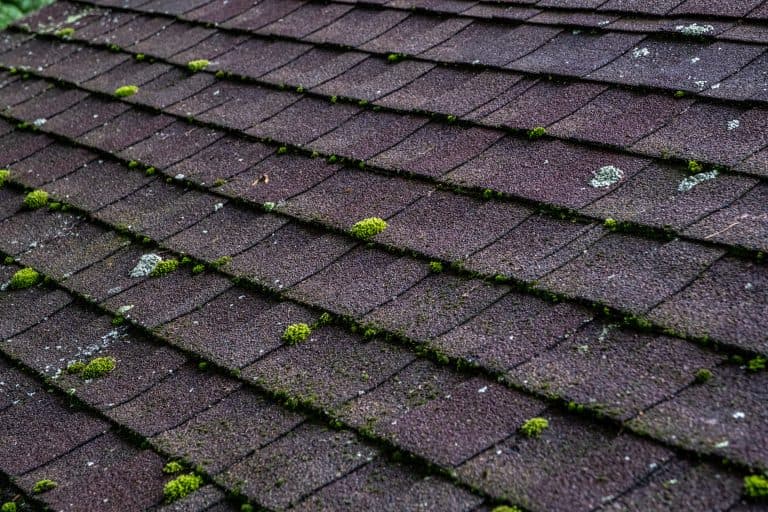
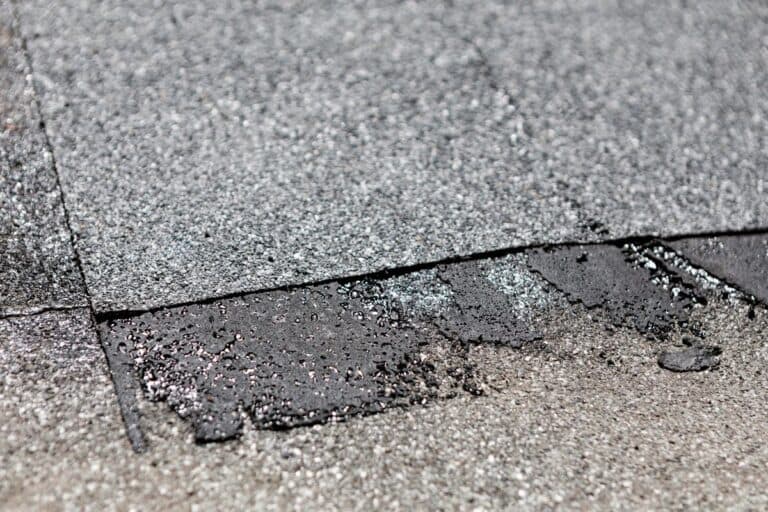
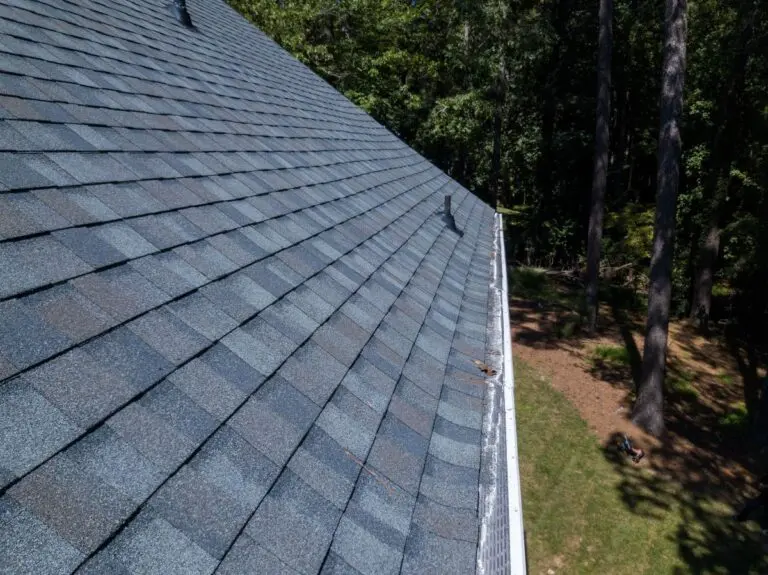
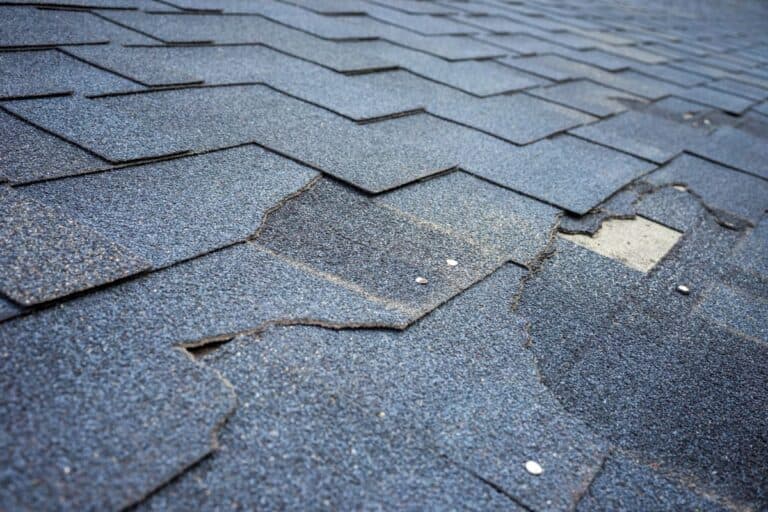
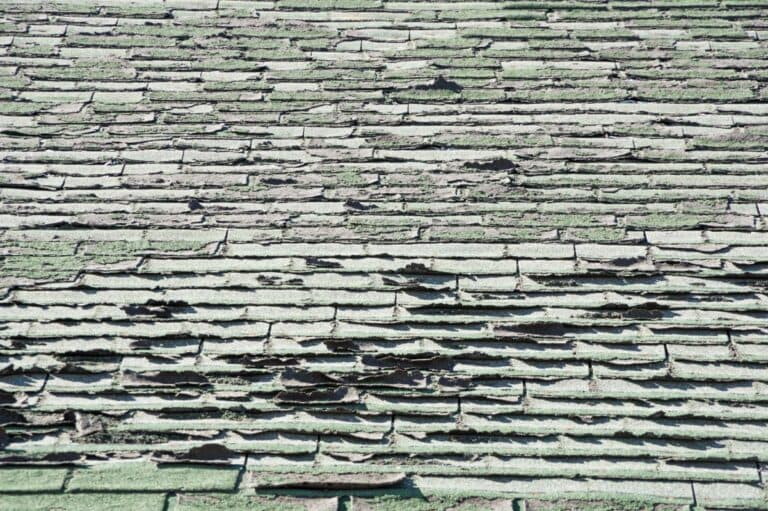
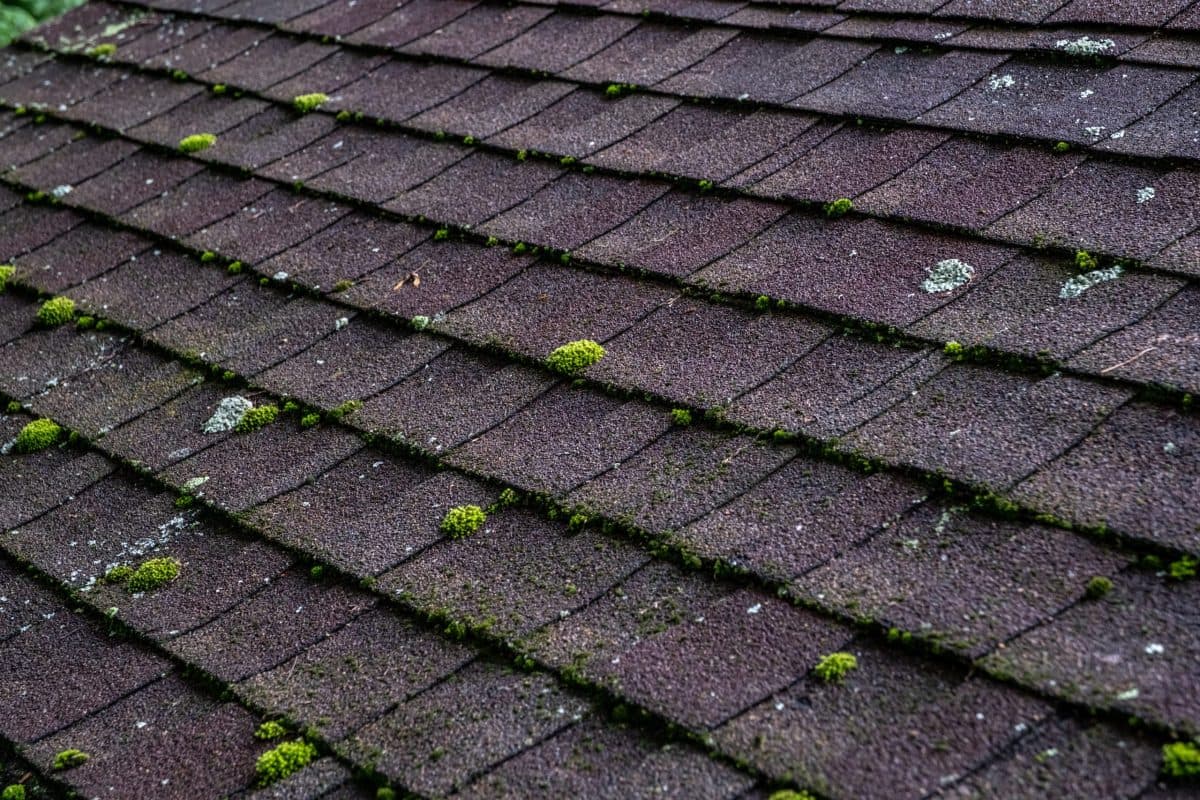
Moss is not just sitting on your roof. It is actively growing into it. Moss attaches to shingles using structures called rhizoids that penetrate beneath the granule surface and embed into the asphalt layer below. As the moss colony expands, it lifts shingle edges, retains moisture against the surface, and creates the conditions that accelerate granule loss, shingle cracking, and eventually water infiltration.
In Massillon, OH and surrounding areas, where humid summers and shaded lots create ideal conditions for biological growth, moss can establish from visible patchy growth to a dense, matted colony in a single season if left unaddressed. The damage follows a predictable progression: surface growth leads to shingle deterioration, which leads to water infiltration, which leads to deck damage and interior moisture problems. Here is why addressing moss at the early stages matters so much:
- Moss holds moisture against shingles continuously: Unlike rain that flows off, moss acts as a sponge that keeps shingle surfaces damp long after the rain stops. That sustained moisture softens the asphalt mat, breaks down sealant adhesion, and accelerates the aging process at a rate well above what the manufacturer’s warranty was designed to accommodate.
- Rhizoid penetration causes physical shingle damage: The attachment structures moss uses to anchor itself to the roof surface physically penetrate the granule layer and damage the asphalt beneath. When moss is eventually removed, it takes granules with it, and those granules do not grow back.
- Lifted shingle edges create wind and water vulnerability: Mature moss colonies grow thick enough to physically lift the lower edges of shingles above them, creating gaps that wind-driven rain can enter and that wind uplift can exploit during severe weather events.
- Moss growth signals a moisture problem worth understanding: Moss establishing on a roof is often an indicator of shade issues, ventilation problems, or debris accumulation that are worth addressing alongside the growth itself, since the same conditions will regenerate the moss after removal if the underlying factors are not addressed.
- Early treatment is dramatically less disruptive: Light moss growth treated in its early stages responds well to chemical treatment without requiring physical removal. Established, matted colonies require more aggressive intervention and often result in more granule loss and shingle stress than treating the same area before the growth became entrenched.
5 Safe Methods for Roof Moss Removal That Actually Work
Not all moss removal approaches are equally safe for your shingles or equally effective at eliminating the growth and preventing its return. These five methods range from the most passive to the most hands-on, and the right choice depends on the extent of the growth, the age and condition of the shingles, and how comfortable you are working on the roof surface.
1. Chemical Treatment With a Dedicated Moss Killer
Chemical treatment is the most widely recommended professional approach to roof moss removal because it kills the moss at the root level without requiring aggressive physical scrubbing that damages shingles. Dedicated roof moss killers typically contain potassium salts of fatty acids, zinc sulfate, or sodium hypochlorite at appropriate concentrations for roofing applications.
The application process involves spraying the affected area with the diluted product, allowing an appropriate dwell time for the chemistry to penetrate and kill the moss, and then allowing rain to flush the dead material off the surface over subsequent weeks. This approach minimizes physical contact with the shingle surface and reduces the granule loss associated with manual removal.
- Apply the product in low-wind conditions to a dry or slightly damp surface, avoiding application during periods of anticipated rain within 24 hours
- Follow the manufacturer’s specified dwell time, which typically ranges from 20 minutes to several hours depending on the product and the density of the growth
- Rinse the treated area with a garden hose after dwell time rather than pressure washing, which can force chemicals into lap joints and damage shingle surface structure
- Protect landscaping below the treated elevation with plastic sheeting or rinse thoroughly with water immediately after application, as most moss-killing chemicals are damaging to vegetation
2. Low-Pressure Rinsing After Chemical Treatment
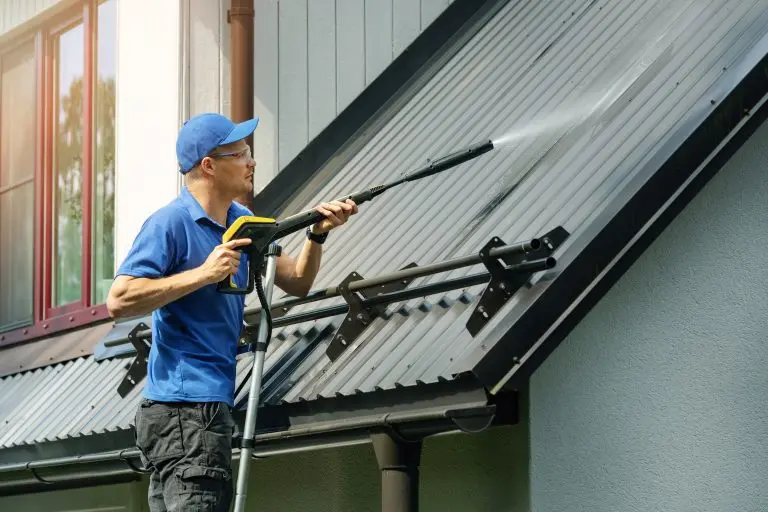
Once a chemical treatment has had time to work and the moss has died, low-pressure rinsing helps flush the loosened material off the roof surface and out of the gutters. This step is worth treating as a separate method because the technique used for rinsing is as important as the treatment itself in terms of protecting the shingles.
A standard garden hose with a spray nozzle provides adequate pressure for rinsing without risking the damage associated with pressure washing. Direct the water stream down the slope in the direction of the shingles, never across them or against their natural drainage direction.
- Never use a pressure washer at standard residential pressures of 1,200 PSI or above on asphalt shingles, as this strips granules and forces water under lap edges in ways that are immediately damaging
- Work in sections from the ridge downward so rinsed material is always moving toward the gutters rather than being forced under shingles above the work area
- Multiple light rinses over several days after treatment are more effective and less damaging than a single aggressive rinsing session
3. Manual Removal With a Soft-Bristled Brush
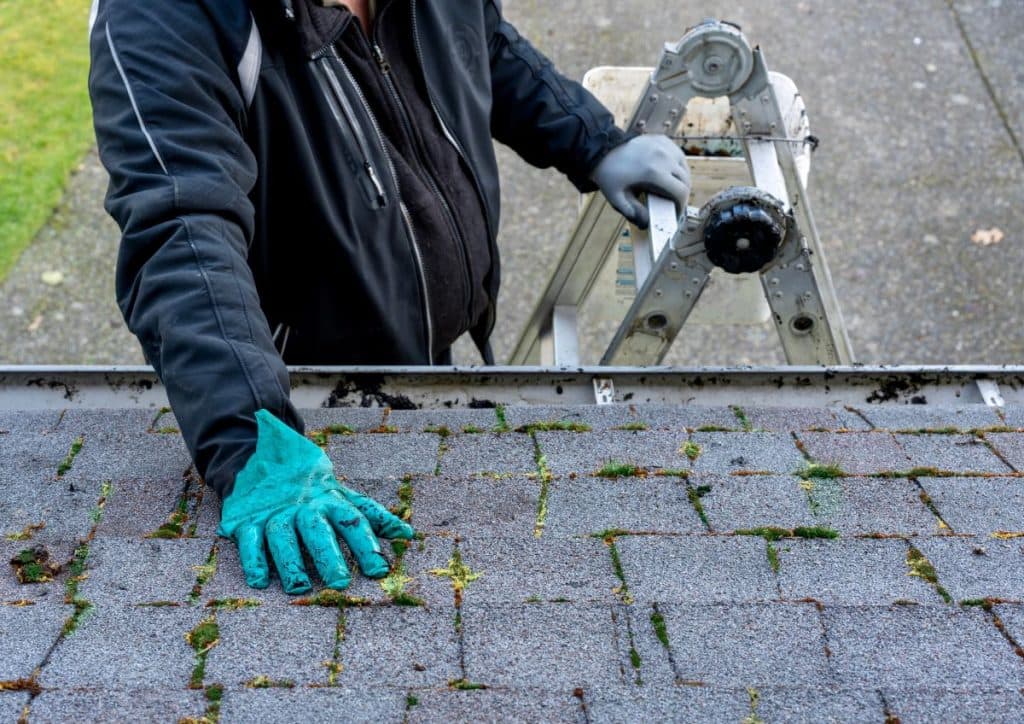
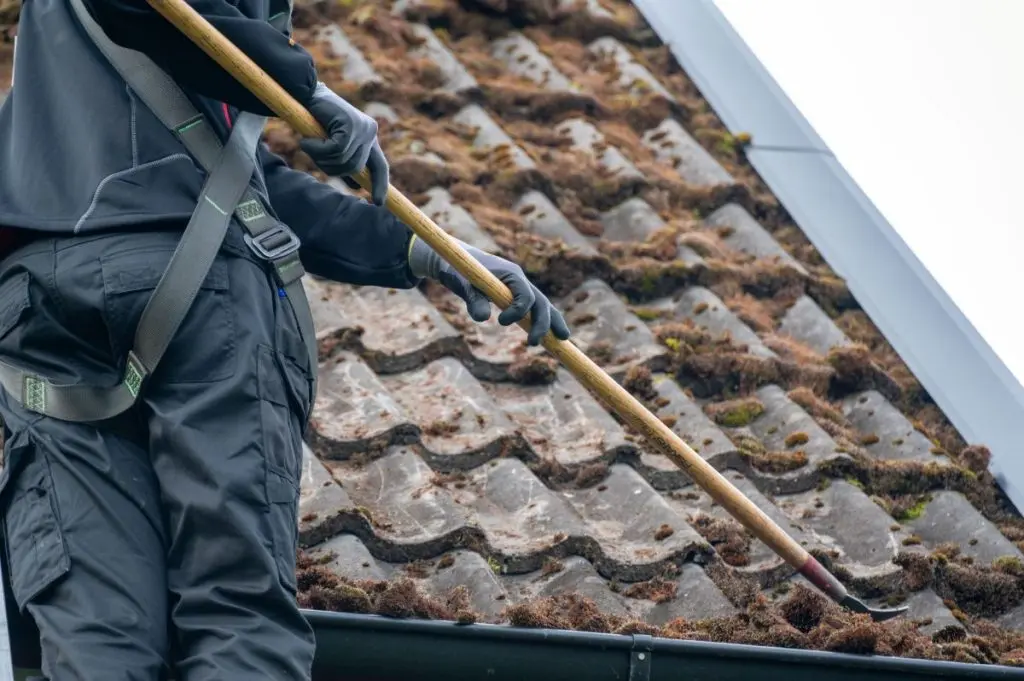
For established moss colonies that are too thick to respond to chemical treatment alone in a single application, manual removal with a soft-bristled brush after a chemical treatment session can help clear the dead growth from the surface. This approach requires the most care of any of the methods listed here because aggressive scrubbing causes direct granule loss.
The key principle is to brush with the grain of the shingles, working from the ridge downward in the direction the shingles overlap, using light pressure to dislodge the loosened moss rather than scrubbing against it. This approach should only be used after a chemical treatment has had time to kill the growth, not on living moss, as live moss holds more strongly to the surface and requires significantly more force to remove.
- Use a soft-bristled brush rated for roof cleaning rather than a stiff wire brush, which scratches the shingle surface and accelerates granule loss well beyond what the moss itself would cause
- Work in small sections and clear loosened moss from the work area regularly rather than allowing it to accumulate and be walked through
- In Massillon, OH and surrounding areas, scheduling manual removal in moderate temperatures when shingles are not brittle from cold or softened from intense summer heat produces the best outcome for the shingles
4. Zinc or Copper Strip Installation as a Removal Aid
Zinc and copper are naturally toxic to biological growth including moss, algae, and lichen. Installing metal strips near the ridge of the roof introduces a passive chemical treatment system that activates every time it rains: water flowing over the metal strips picks up zinc or copper ions and carries them down the roof surface, inhibiting biological growth across a zone below the installation point.
While this method is most commonly discussed as a preventive measure, it also serves as a mild ongoing treatment for light growth in areas where the strips can reach. For roofs with moderate moss growth that has not yet become matted and entrenched, combining strip installation with a single chemical treatment can produce lasting results without repeated intervention.
- Zinc strips are more commonly available and lower in cost than copper, and they are effective for moss and algae prevention across a zone extending roughly 15 to 20 feet below the installation point
- The strips are installed along the ridge below the cap shingles, with the exposed metal facing downslope so that rainwater contacts the metal surface before flowing down the roof
- New roofs should have zinc or copper strips installed at the time of construction in any region where biological growth is a known concern
5. Professional Soft Wash Treatment
Professional soft wash roof cleaning uses low-pressure application of concentrated biocidal cleaning solutions that are specifically formulated for roofing applications. Unlike DIY chemical treatments, professional soft wash systems use equipment that applies the product more uniformly, at the correct concentration, with appropriate coverage of all affected areas including valleys and hard-to-reach sections.
This approach is particularly appropriate for roofs with extensive moss growth across large surface areas, older roofs where manual intervention risk is higher, or any situation where access limitations make safe DIY treatment difficult. In Massillon, OH and surrounding areas, professional soft wash services typically include a post-treatment inspection and can be combined with a broader roof maintenance assessment.
- Professional soft wash results in less physical intervention on the shingle surface than manual removal approaches, which is a meaningful advantage on roofs approaching mid-life where granule coverage is already reduced
- The concentration and formulation of professional products often produces faster and more complete kill of established moss than consumer-grade alternatives
- Many professional soft wash treatments include a warranty period during which the treating company will return if regrowth occurs within a specified timeframe
How to Prevent Moss From Coming Back After Removal
Removing existing moss without addressing the conditions that allowed it to establish in the first place is a temporary solution at best. Prevention requires understanding what made the roof vulnerable to moss growth and addressing those factors systematically.
- Trim overhanging trees and vegetation. Moss establishes most readily in shaded areas where the roof surface stays damp longer after rain. Trimming branches that cast shade across the roof reduces the damp, low-light conditions that moss requires, and it also reduces the debris accumulation in gutters and valleys that holds moisture against the roof surface.
- Maintain clean gutters and valleys. Debris that accumulates in gutters and roof valleys holds moisture against the roof surface and creates a seedbed for biological growth. Regular cleaning in the fall after leaf drop and in the spring after seed season keeps these high-risk areas clear.
- Install zinc or copper ridge strips. As described above, metal strips installed near the ridge create a passive, ongoing deterrent to biological growth that remains effective for years without requiring repeated treatment. This is the most cost-effective long-term preventive measure available for most residential roofs.
- Improve attic ventilation where possible. Poor attic ventilation allows heat and moisture to accumulate in the attic space, which raises the temperature differential between the inside and outside of the roof deck and creates condensation conditions that keep the roof surface damp longer than it should be. Addressing ventilation problems as part of a post-removal maintenance plan reduces the biological vulnerability of the roof over the long term.
- Schedule annual roof inspections. A professional inspection once a year, ideally in the spring after the winter season, allows early-stage moss growth to be identified and treated before it has time to establish the dense colonies that require more aggressive intervention.
DIY Roof Moss Removal vs. Hiring a Professional: How to Decide
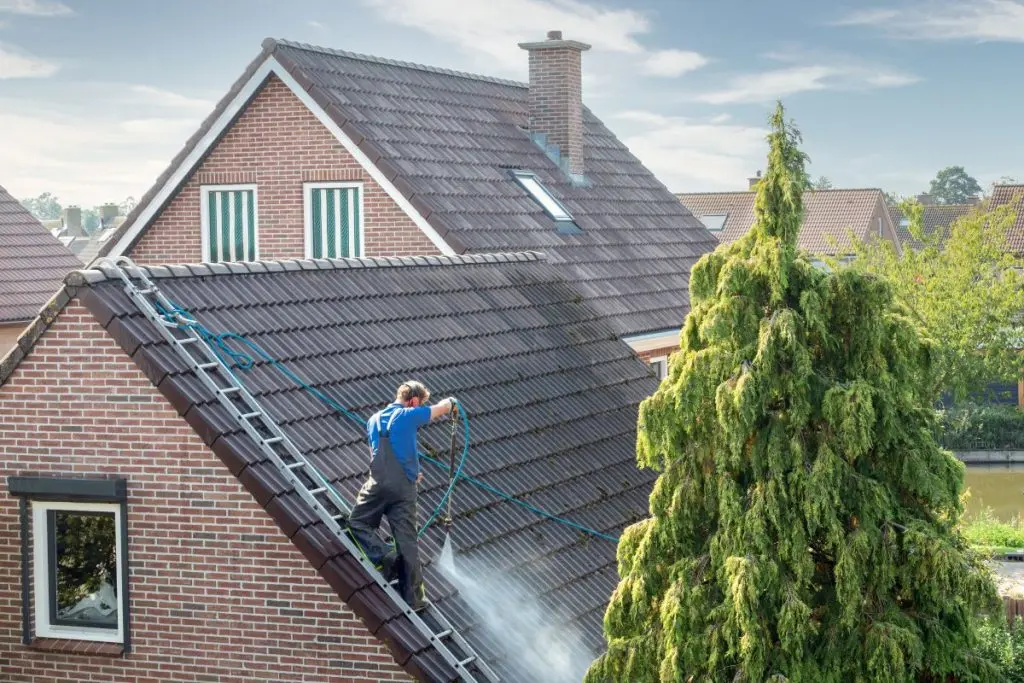
The decision between handling moss removal yourself and hiring a professional comes down to the extent of the growth, the age and condition of the roof, and the accessibility and pitch of the roof surface.
When DIY Makes Sense
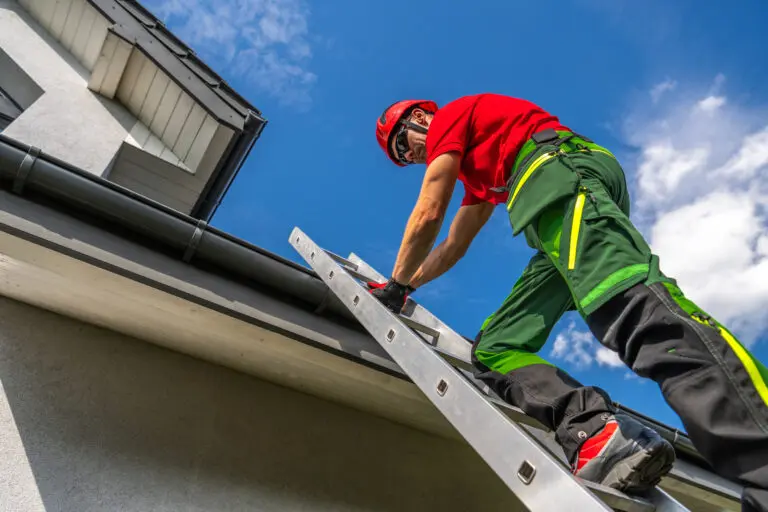
Light to moderate moss growth on a single-story home with a moderate pitch, accessible from a standard ladder, and composed of shingles in reasonable condition is a reasonable DIY scenario. With the right chemical treatment product, appropriate safety precautions, and a garden hose for rinsing, a careful homeowner can address this type of growth effectively.
When Professional Treatment Is the Right Call
Extensive moss growth covering large portions of the roof, growth on a two-story home or a steep-pitched roof, moss on a roof where shingles are already aged and granule coverage is reduced, or any situation where safe roof access is uncertain are all scenarios where professional treatment delivers better results with lower risk. The additional cost of professional service is often recovered in reduced shingle damage and the extended time before regrowth requires intervention.
For homeowners in Massillon, OH and surrounding areas who are not certain which category their situation falls into, a professional inspection before committing to a DIY approach provides an accurate diagnosis and a baseline assessment of the roof’s overall condition alongside the moss issue.
A Practical Comparison
| Factor | DIY Treatment | Professional Soft Wash |
| Upfront cost | Lower | Higher |
| Product concentration and coverage | Consumer grade | Professional grade |
| Physical contact with shingles | Higher | Lower |
| Safety risk | Higher (working at height) | Managed by professionals |
| Effectiveness on heavy growth | Moderate | High |
| Inspection included | No | Typically yes |
| Regrowth warranty | No | Often included |
Keep Moss Off Your Roof Before It Becomes a Bigger Problem
Moss removal is one of those maintenance tasks that is almost always less expensive and less disruptive when it is addressed early than when it is allowed to become an established colony. The homeowners who maintain their roofs most cost-effectively are not the ones who react to problems after they become visible from the street. They are the ones who inspect regularly, treat early, and address the conditions that make biological growth possible.
At Keim Quality Roofing, we help homeowners throughout Massillon, OH and surrounding areas keep their roofs in the condition they were designed to maintain. Whether you need guidance on the right removal approach for your specific situation, a professional inspection to assess the extent of existing growth, or a complete maintenance plan that addresses moss alongside the other factors affecting your roof’s long-term health, our team is ready to help. Contact us today and let Keim Quality Roofing give your roof the attention it deserves.