Roof Replacement Cost in 2026: What You’ll Really Pay
When a roof replacement moves from something you might need someday to something you need now, the first question everyone asks is the same: what is this going to cost me? The honest answer is that roof replacement cost varies more than most homeowners expect, and the number you see in a national average rarely reflects what you will actually pay for your specific home. Getting that number right before you start talking to contractors puts you in a much stronger position. If you want to understand what a full residential roof replacement actually involves, the cost conversation is the right place to start.
Here is what you will learn in this post:
- What roof replacement actually costs in Northeast Ohio in 2026
- The key factors that drive your final number up or down
- A material-by-material cost breakdown so you can compare options clearly
- What is typically included in a roofing estimate and what to watch for
- How to evaluate bids without getting burned by a low number
- Whether insurance coverage or financing changes the financial picture
What Drives Roof Replacement Cost More Than Anything Else
Most homeowners look at cost per square foot when trying to benchmark a roofing estimate, and that is a useful starting point. But the final number on a roof replacement proposal is shaped by a combination of variables that interact with each other in ways that make simple per-square-foot comparisons misleading if you do not understand what is behind them.
In North Canton, OH and surrounding areas, roofing costs reflect a specific combination of regional labor rates, material availability, seasonal demand, and the architectural characteristics common to homes in Northeast Ohio. A number that applies in Phoenix or Atlanta is not a reliable benchmark for what you will pay here. Understanding what actually moves your number is the foundation of evaluating any proposal accurately. Here is what matters most:
- Roof size is the largest single cost driver: Roofing is priced by the square, where one square equals 100 square feet of roof surface. A larger roof simply requires more material and more labor, and the relationship is close to linear for straightforward installations.
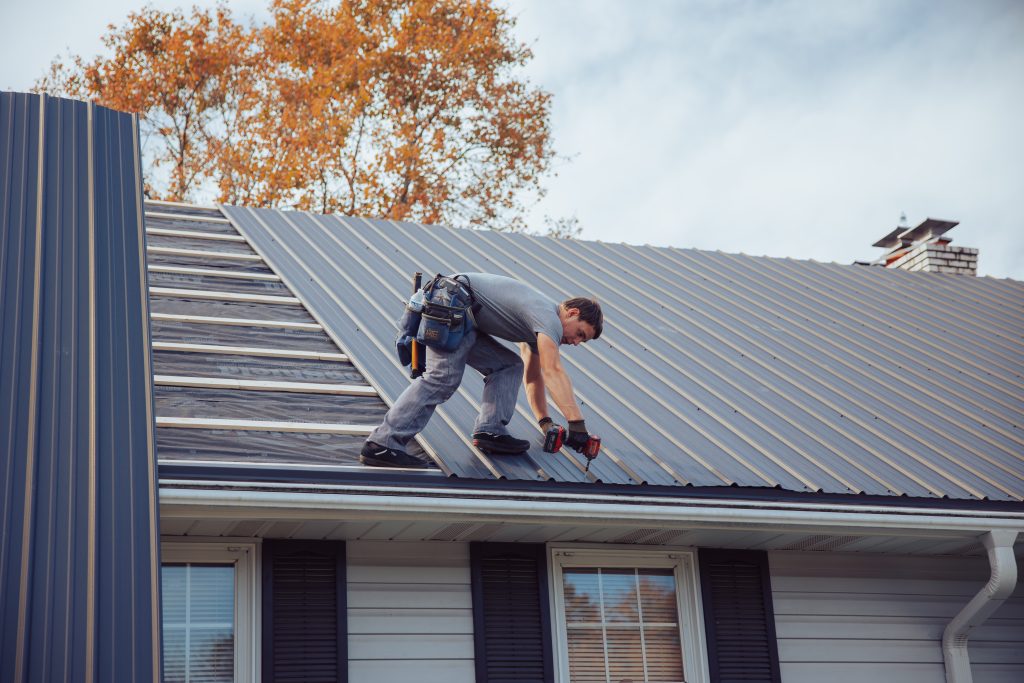
- Pitch affects labor cost significantly: Steeper roofs require more time, more safety equipment, and more physical effort per square than shallower pitches. A 10:12 pitch costs meaningfully more in labor than a 4:12 pitch of the same total area.
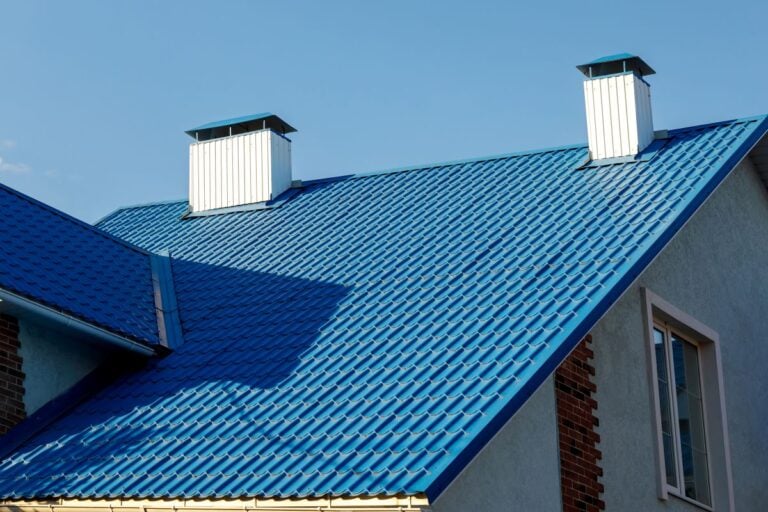
- Material selection has a wide cost range: The difference between standard three-tab shingles and premium impact-resistant architectural shingles can double the material cost alone. Metal roofing and premium tile options extend that range further in both directions.
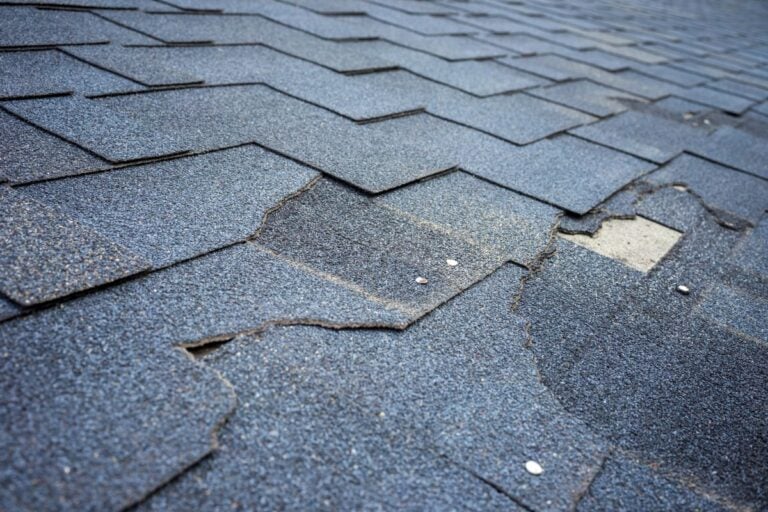
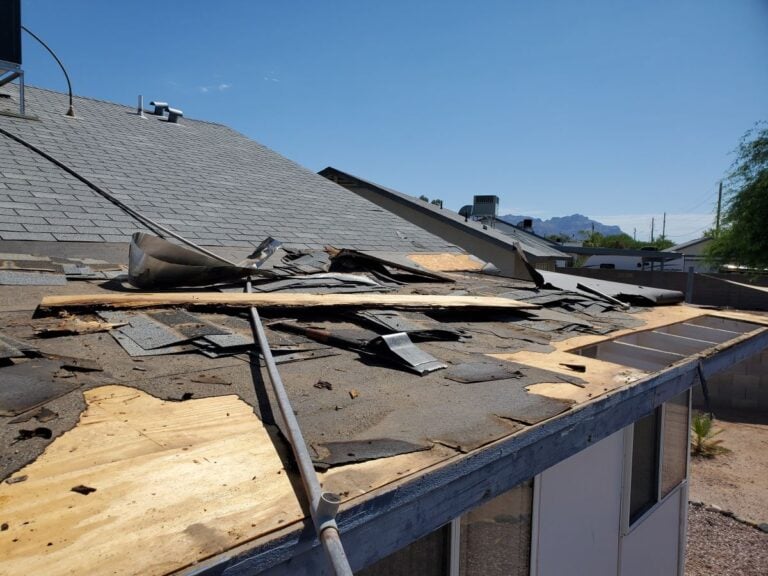
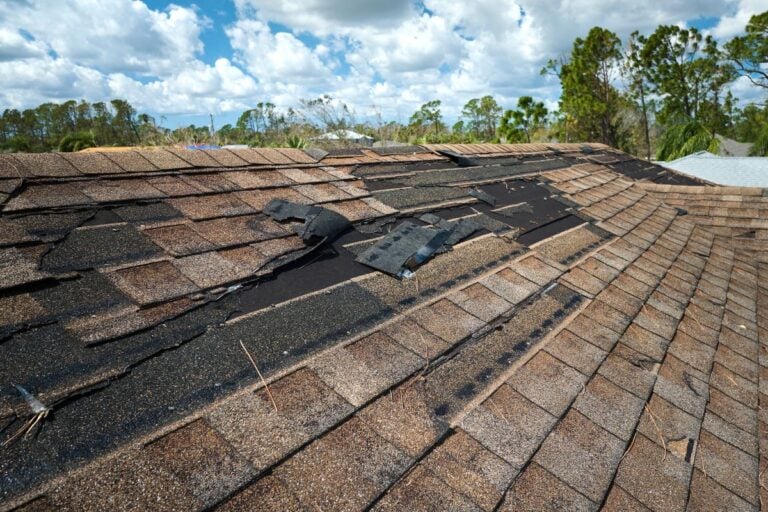
- Deck condition is unpredictable until tear-off: Rotted or damaged decking found during tear-off is repaired at an additional cost per sheet that was not visible during the initial estimate. This is one of the most common sources of final cost exceeding initial estimates.
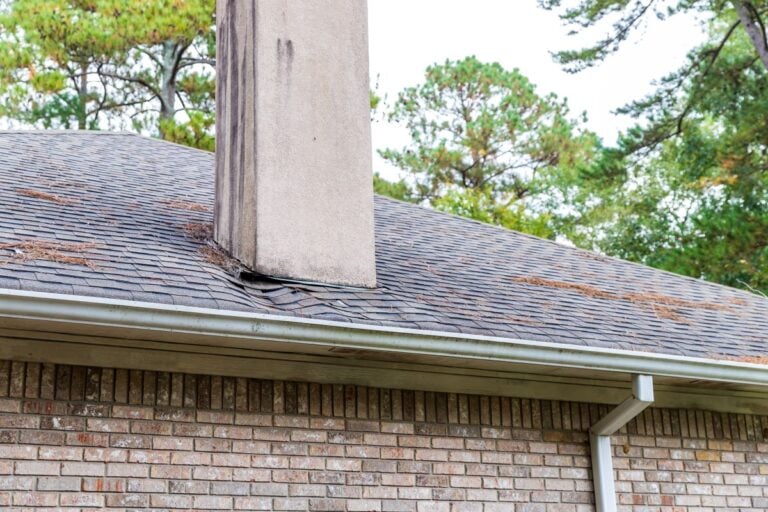
- Number of penetrations adds to labor and material: Each chimney, skylight, pipe penetration, and valley requires additional flashing work and labor that adds to the base installation cost in ways that are specific to each home.
What You’ll Really Pay: A 2026 Cost Breakdown
Roof replacement cost in 2026 reflects continued pressure from material prices, labor markets, and the regional demand that follows active storm seasons. The ranges below represent realistic expectations for typical residential projects in North Canton, OH and surrounding areas, broken down by the factors that affect your specific number most directly.
1. Roof Size and Square Footage
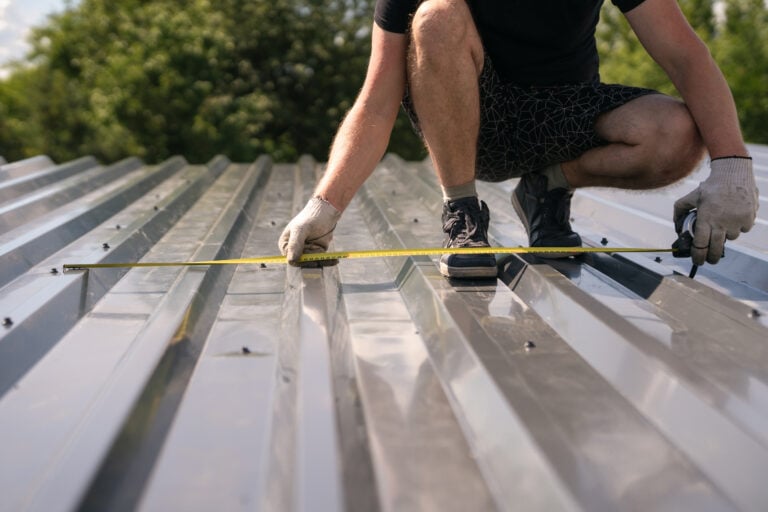
The starting point for any estimate is the total square footage of the roof surface, expressed in roofing squares. This is not the same as the home’s footprint because it accounts for the pitch multiplier that makes the actual sloped surface larger than the flat ground area beneath it.
A typical ranch home with 1,500 square feet of living space might have 18 to 22 roofing squares depending on pitch and overhang. A two-story colonial with the same footprint might have 20 to 25 squares because of a steeper pitch adding more sloped surface area.
- Most residential replacements in the region fall between 15 and 35 roofing squares
- Total installed cost for a standard architectural shingle replacement typically ranges from $8,000 to $18,000 for homes in this square range
- Larger or more complex homes push that range upward, with some projects reaching $25,000 or more before premium materials or significant decking repair are factored in
2. Roofing Material Selection
Material choice is the most controllable variable in roof replacement cost, and it has the widest impact on your final number of any single decision. The table below summarizes typical installed cost ranges for the most common residential roofing materials in 2026.
| Material | Installed Cost Per Square | Typical Total Range (20 squares) |
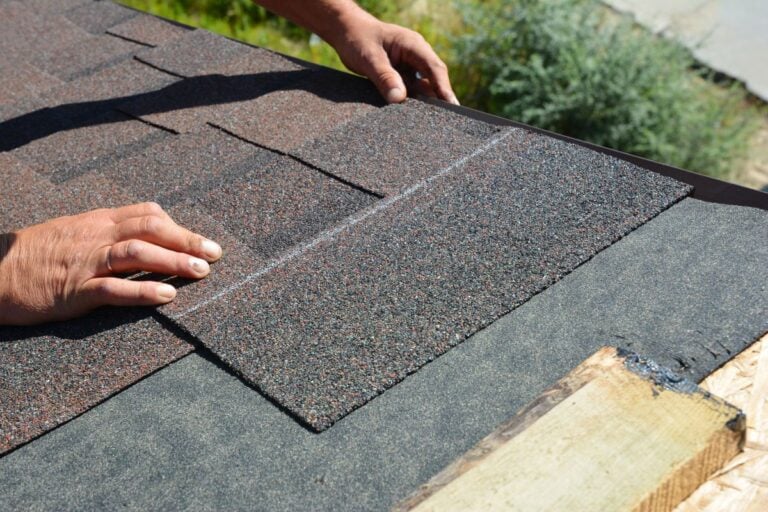
| 3-Tab Asphalt Shingles | $250 to $350 | $5,000 to $7,000 |
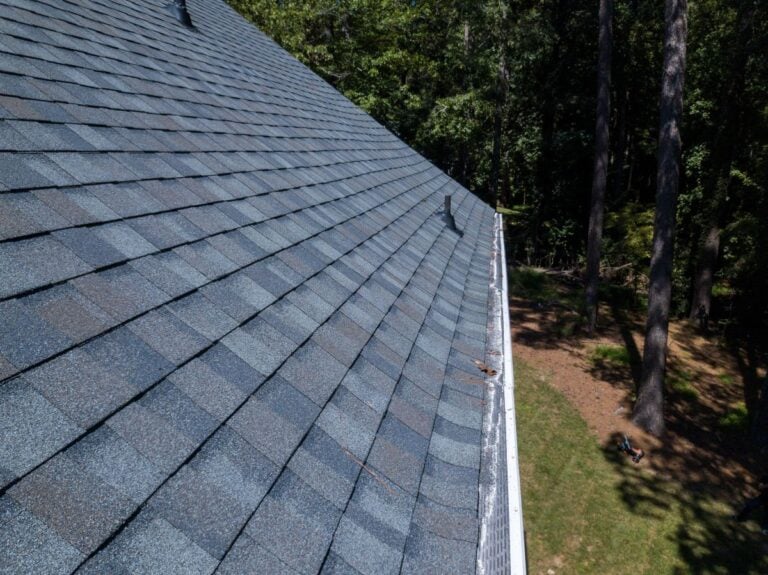
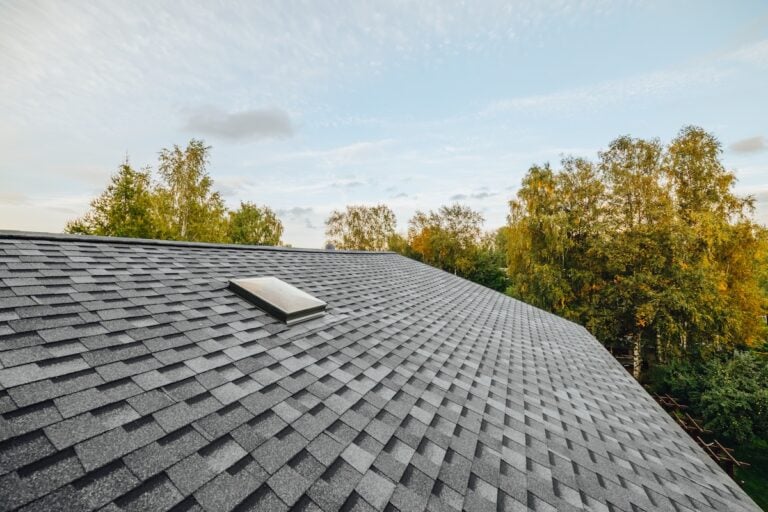
| Architectural Asphalt Shingles | $350 to $550 | $7,000 to $11,000 |
| Impact-Resistant Shingles (Class 4) | $500 to $700 | $10,000 to $14,000 |
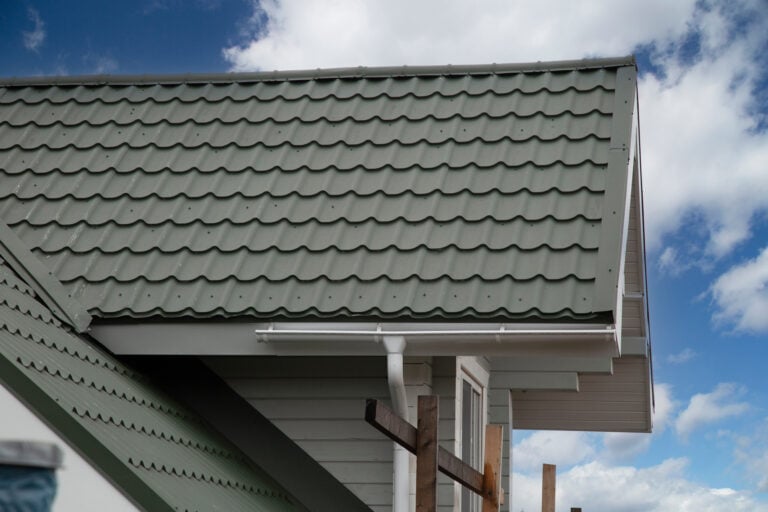
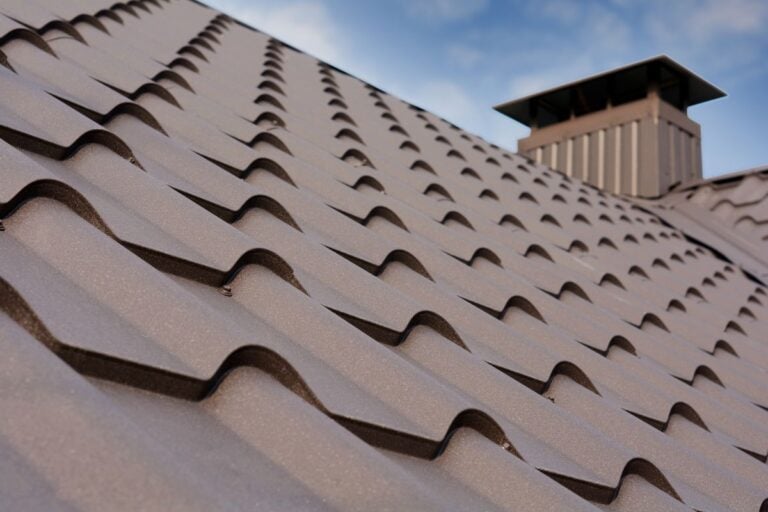
| Metal Shingles | $700 to $1,000 | $14,000 to $20,000 |
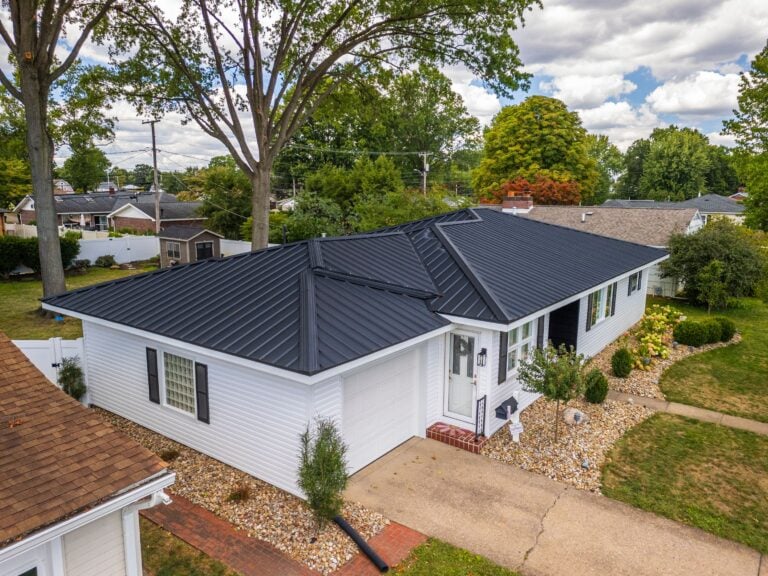
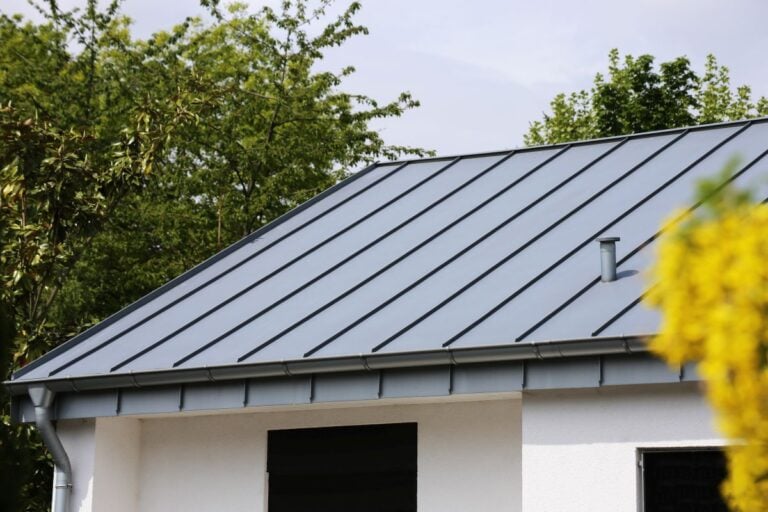
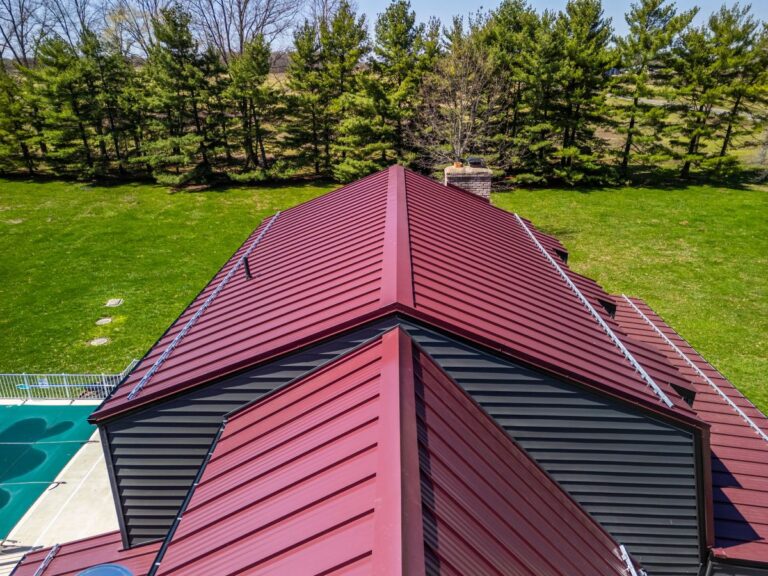
| Standing Seam Metal | $900 to $1,500 | $18,000 to $30,000 |
| Slate or Tile | $1,200 to $2,000+ | $24,000 to $40,000+ |
These ranges assume a standard installation without significant decking repair, complex geometry, or unusual penetration counts. They are a starting point for comparison, not a guaranteed quote for any specific project.
3. Roof Pitch and Complexity
Pitch is expressed as the ratio of vertical rise to horizontal run over 12 inches. A 4:12 pitch rises 4 inches for every 12 inches of horizontal run. A 10:12 pitch is steep enough to require fall protection equipment and significantly more careful footwork, both of which add labor time and cost.
As a general rule, roofs with pitches above 6:12 carry a labor surcharge that reflects the additional time and safety requirements involved. That surcharge typically ranges from $25 to $75 per square depending on the contractor and the steepness involved.
- Low-slope roofs below 4:12 may require specialized underlayment or roofing systems and can add cost for that reason as well
- Complex roofs with multiple valleys, dormers, and intersecting planes take longer to install per square than simple gable roofs and are priced accordingly
- Homes in North Canton, OH and surrounding areas with complex multi-gable designs or steep historic pitches should expect their labor cost to sit at the higher end of regional ranges
4. Tear-Off and Disposal
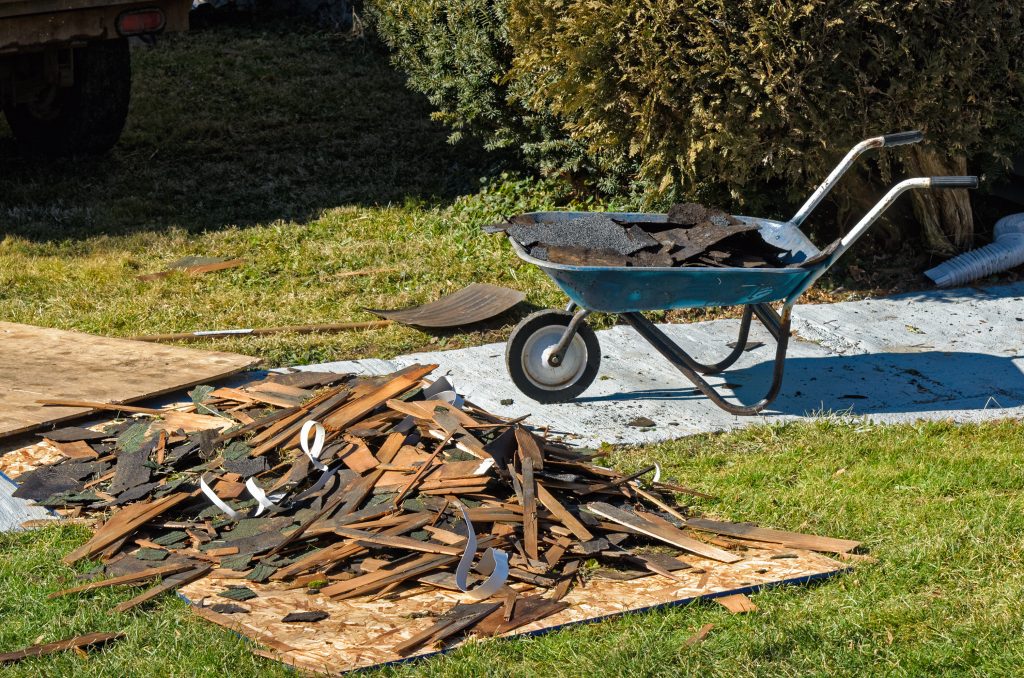
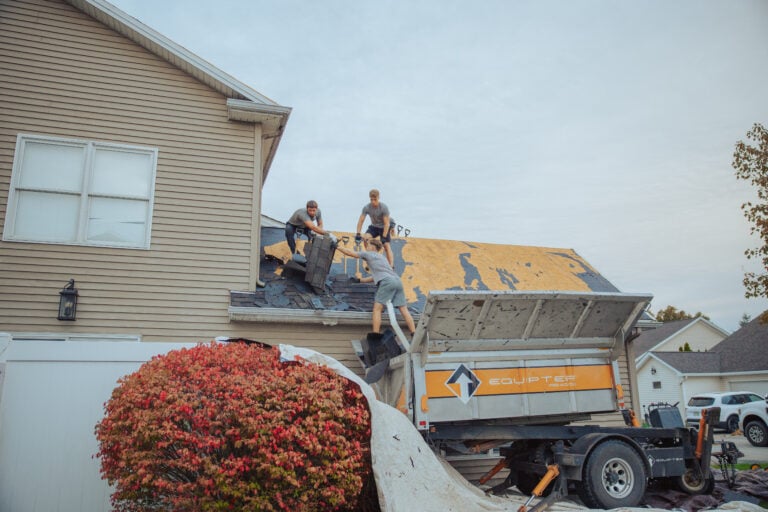
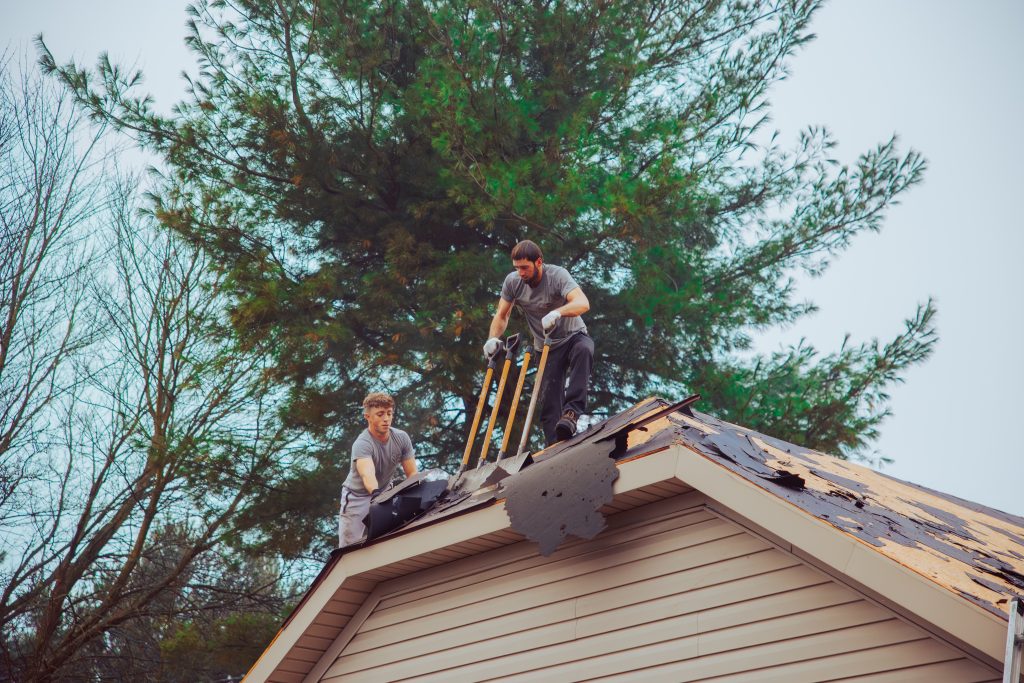
Most replacements require removing the existing roofing material before new material is installed. This is called tear-off, and it adds both labor time and disposal cost to the total. Some jurisdictions allow a second layer of shingles to be installed over existing material, but most roofing professionals recommend full tear-off because it allows inspection of the decking and ensures the new system performs as designed.
Tear-off costs typically range from $50 to $100 per square depending on the number of existing layers, the material being removed, and disposal fees in the local market. A single layer of standard shingles on a 20-square roof adds $1,000 to $2,000 to the base installation cost.
- Homes with two existing shingle layers pay more for tear-off because the additional weight and bonding between layers increases removal time
- Material containing asbestos requires specialized removal procedures that add significant cost and are subject to specific regulatory requirements
- Disposal fees vary by region and are sometimes included in the base estimate and sometimes listed as a separate line item; confirm which applies when comparing bids
5. Decking Repair
The condition of the roof deck beneath the existing shingles cannot be fully assessed until tear-off is complete. Contractors who have experience in a specific market can give a reasonable estimate of likely decking issues based on the age of the home and the visible condition of the existing roof, but the actual scope only becomes clear during removal.
Decking repair is typically priced per sheet of OSB or plywood, with current material and labor costs ranging from $75 to $150 per sheet installed. A typical replacement might require zero to five sheets on a well-maintained home, and significantly more on one with long-standing moisture issues.
- Soft spots, discoloration on the underside visible from the attic, and visible sagging are indicators that decking repair will be needed before the estimate is finalized
- The best contractors will show you any decking damage discovered during tear-off and photograph it before installing replacement material
- Building it into the estimate as a per-sheet allowance rather than a fixed line item is the most honest way to handle this variable
6. Underlayment, Ice and Water Barrier, and Accessory Components
Beyond the shingles themselves, a complete roofing system includes underlayment, ice and water barrier at the eaves and valleys, drip edge metal, ridge cap, pipe boot flashings, and in many cases new ridge ventilation. These components add to the total cost and are sometimes omitted or downgraded in low-bid proposals.
In North Canton, OH and surrounding areas, ice and water barrier at the eave is particularly important. Ohio building code requires this product to extend at least 24 inches past the interior wall line, and proper installation of this component is one of the most important factors in preventing ice dam damage during winter.
- Synthetic underlayment has largely replaced felt in most quality installations because of its superior tear resistance and moisture performance during the installation window
- Drip edge metal is a required component in most code-compliant installations and should be specified by gauge and finish in any written estimate
- Ridge ventilation replacement during a reroof is often recommended because proper attic ventilation extends both the life of the new shingles and the comfort of the living space below
What a Roofing Estimate Should and Should Not Include
One of the most practical skills a homeowner can develop when shopping for a roof replacement is the ability to read a roofing estimate critically and identify what it actually covers versus what it assumes you will figure out later.
A complete estimate should specify:
- The exact shingle product, model, and color being installed
- The underlayment type and coverage area
- Whether ice and water barrier is included and where it will be applied
- Drip edge specification and whether it is new or existing
- Ridge cap type and whether it is a manufacturer’s system or field-cut
- Tear-off and disposal scope and pricing
- Decking repair policy, whether a fixed allowance or per-sheet pricing
- Permit procurement and whether it is included in the price
- Cleanup and haul-away scope
- Warranty terms for both materials and workmanship
Watch for estimates that:
- Quote a total price without itemizing any of the above
- List a shingle product category without specifying the model
- Do not mention underlayment or ice and water barrier
- Exclude permit costs without noting that they are the homeowner’s responsibility
- Offer a workmanship warranty that is vague about what it actually covers and for how long
How Insurance and Financing Affect Your Out-of-Pocket Cost
For many homeowners, the full replacement cost is not what they actually pay out of pocket because insurance coverage, financing options, or both change the financial picture significantly.
Insurance Coverage
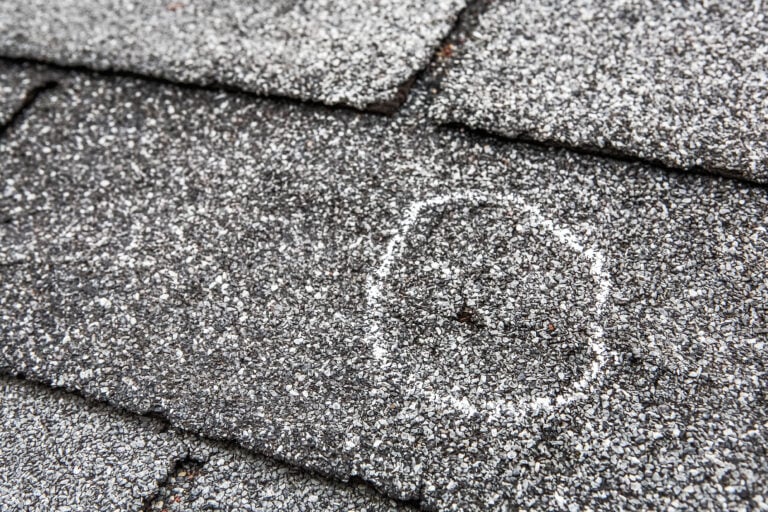
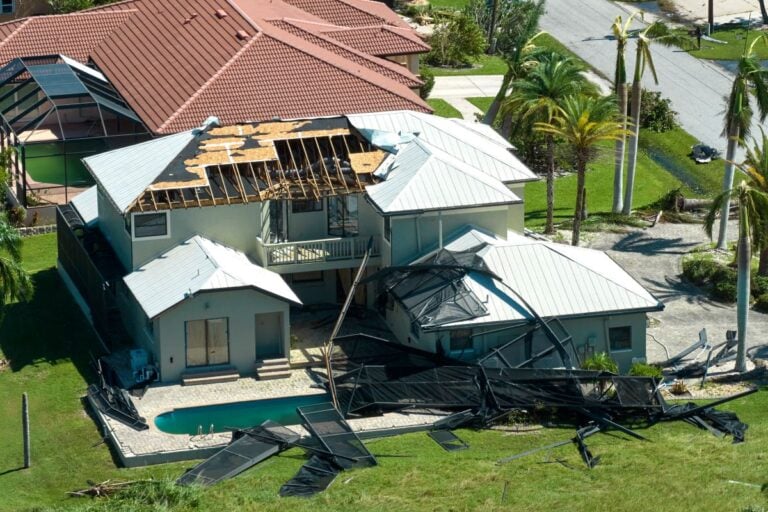
If your roof was damaged by a covered peril such as hail, wind, or a falling object, your homeowner’s insurance may cover a significant portion of the replacement cost. The amount depends on whether your policy covers replacement cost value or actual cash value, your deductible structure, and the specific damage documented during the claim.
Working with a roofing contractor who has experience supporting insurance claims, providing written inspection reports, and participating in adjuster meetings can meaningfully affect what your insurer approves for payment. A thorough contractor-supported claim often results in a more complete scope approval than a claim filed without that documentation.
Financing Options
Many roofing contractors offer financing programs that allow homeowners to spread the cost of a replacement across monthly payments rather than paying the full amount upfront. These programs vary significantly in interest rate, term length, and approval requirements, and they are worth understanding before a project begins rather than at the moment of signing.
For homeowners in North Canton, OH and surrounding areas who are dealing with an aging roof but not an insurance-covered event, financing can make the difference between addressing a known problem on a planned timeline and waiting until a leak forces an emergency decision with fewer options.
Get a Number You Can Actually Plan Around
Roof replacement cost is not a mystery, but it is specific to your home, your material selection, and the condition of what is underneath the existing shingles. The homeowners who navigate this process most confidently are the ones who understand what goes into the number before the first contractor arrives, ask the right questions during the estimate, and evaluate proposals based on what they actually include rather than which one has the lowest total at the bottom of the page.
At Keim Quality Roofing, we provide detailed, itemized estimates for every project we quote in North Canton, OH and surrounding areas. We explain every line, answer every question, and make sure homeowners understand exactly what they are paying for and why before any work begins. If you are ready to get a real number for your specific home, contact us today and let Keim Quality Roofing give you the clarity you need to move forward.