Attic Vent Installation: 6 Reasons Proper Venting Protects Your Roof
Most homeowners think about shingles, flashing, and gutters when it comes to roof health, but what is happening inside your attic matters just as much as what is on top of it. Attic vent installation done correctly creates the airflow your roof system needs to function the way it was designed to. Without it, heat and moisture build up quietly until the damage becomes impossible to ignore. If you want to understand what keeping your roof and attic system in top condition actually involves, proper ventilation is where that conversation has to start.
Here is what you will learn in this post:
- Why attic ventilation is a critical part of your roof’s long-term performance
- The 6 key reasons proper venting protects your roof and your home
- The most common types of attic vents and how each one works
- Signs that your current ventilation system may be failing
- How improper installation leads to costly damage over time
- What to look for when choosing a contractor for attic vent installation
What Happens When Your Attic Cannot Breathe
An attic without proper ventilation is one of the most common and most overlooked causes of premature roof failure. Heat and moisture are the two enemies your roof system is constantly fighting, and without a balanced flow of fresh air moving through the attic space, both of them accumulate fast.
In the summer, an unventilated attic can reach temperatures well above 150 degrees Fahrenheit. That extreme heat radiates down into your living space and forces your cooling system to work harder than it should. In the winter, warm air from inside your home rises into the attic and meets cold surfaces, creating condensation that soaks into the roof deck, insulation, and framing. Over time, this moisture cycle leads to mold, rot, and structural damage that no amount of shingle replacement will fix. Here is why this topic deserves serious attention:
- Roof lifespan is directly affected: Excessive attic heat degrades shingle adhesives and accelerates granule loss, cutting years off the life of your roof before its time.
- Energy costs climb without ventilation: A superheated attic forces your HVAC system to compensate, driving up utility bills every month throughout the summer.
- Moisture damage is invisible until it is severe: Wood rot, mold growth, and saturated insulation can develop for months before any visible signs appear on the interior of your home.
- Ice dams become a real risk in winter: Poor ventilation allows warm air to heat the roof deck unevenly, melting snow near the ridge while it refreezes at the eaves and backs up under shingles.
- Warranty coverage can be voided: Many roofing material manufacturers require proper ventilation as a condition of their warranty. An improperly ventilated roof may leave you without manufacturer support when you need it most.
6 Reasons Proper Attic Vent Installation Protects Your Roof
Every roof system relies on balanced airflow to stay healthy over time. The reasons below are not theoretical. They reflect real consequences that homeowners across New Philadelphia, OH and surrounding areas face when ventilation is either missing, blocked, or installed incorrectly.
1. It Prevents Heat Buildup That Destroys Shingles From Below
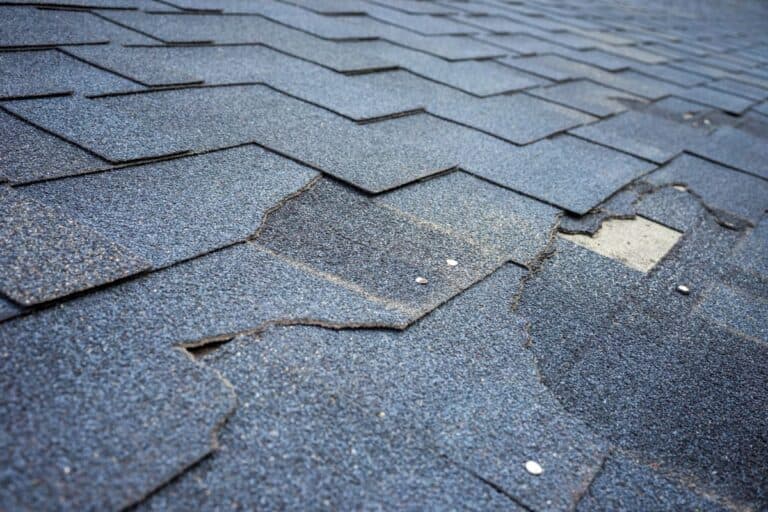
Asphalt shingles are designed to handle heat from the sun above, but they are not designed to bake from both sides simultaneously. When attic temperatures spike because airflow is restricted, the underside of the roof deck transfers that heat directly into the shingle mat. Over time, this accelerates cracking, curling, and granule loss at a rate that shortens roof life significantly.
- Most asphalt shingles carry manufacturer warranties that assume proper attic ventilation
- Heat buildup from below can reduce a 30-year shingle’s effective lifespan by 10 years or more
- Proper intake and exhaust venting keeps attic temperatures within a manageable range year-round
2. It Controls Moisture Before It Reaches the Roof Deck
Moisture is the single most destructive force your roof structure faces from the inside. Every time someone showers, cooks, or runs a humidifier inside your home, water vapor rises and finds its way into the attic space. Without ventilation pulling that moisture out, it condenses on the underside of the cold roof deck and begins the process of breaking down wood fibers.
- A properly vented attic allows moisture-laden air to exit before condensation can form
- Roof deck damage from moisture often goes undetected until decking becomes soft and begins to fail
- In New Philadelphia, OH and surrounding areas, where winters bring significant temperature swings, this cycle of condensation and drying is a near-constant seasonal pressure on attic structures
3. It Reduces the Risk of Ice Dam Formation
Ice dams are one of the most misunderstood roofing problems homeowners face in colder climates. They form when heat escaping through a poorly ventilated attic warms the roof deck near the ridge, melting snow that then flows toward the cold eaves and refreezes. That wall of ice forces water to back up under shingles and into the home.
- Balanced ventilation keeps the entire roof deck at a consistent temperature, eliminating the warm spot that starts the ice dam cycle
- Proper soffit and ridge vent pairing is the most effective passive strategy for ice dam prevention
- Ice dam damage to ceilings, walls, and insulation often results in significant insurance claims that proper ventilation could have prevented
4. It Protects Your Insulation’s Effectiveness
Insulation and ventilation work together as a system. When moisture saturates attic insulation, its R-value drops sharply, meaning it insulates far less effectively than its rating suggests. Wet insulation also becomes a breeding ground for mold and adds unnecessary structural weight to the ceiling below.
- Fiberglass batt insulation can lose a significant portion of its insulating value when wet
- Proper ventilation keeps air moving across the attic floor, reducing the chance of moisture settling into insulation
- Homeowners who upgrade their attic vent installation often report noticeable improvements in both heating and cooling efficiency
5. It Extends the Life of Roof Decking and Structural Framing
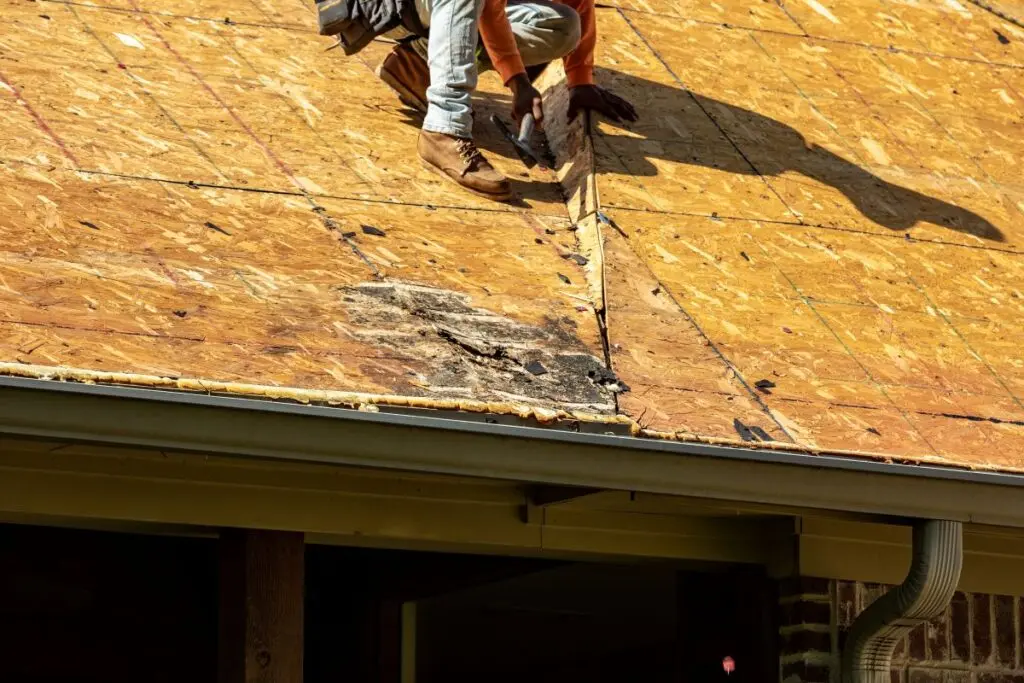
The roof deck and the framing beneath it are the foundation your shingles sit on. Once moisture begins to degrade those components, the structural integrity of the entire roof system is compromised. Replacing rotted decking during a reroof adds significant cost to what would otherwise be a straightforward project.
- Solid, dry decking is required for proper shingle nail adhesion and wind resistance
- Framing members weakened by rot can create sagging, uneven roof lines that signal serious underlying damage
- Regular attic inspections combined with proper ventilation are the most cost-effective way to protect your roof’s structural components over the long term
6. It Keeps Your Home More Comfortable Year-Round
Attic ventilation is not just a roofing issue. It is a whole-home comfort issue. A well-ventilated attic moderates the temperature swings that radiate down into your living space, making your home easier and less expensive to heat and cool through every season.
- In summer, ventilation exhausts superheated air before it can transfer into the rooms below
- In winter, consistent attic temperatures reduce the strain on your heating system by preventing drafts and cold spots caused by uneven roof deck temperatures
- Homeowners throughout New Philadelphia, OH and surrounding areas who invest in proper attic vent installation often see measurable reductions in monthly energy costs
Types of Attic Vents and How They Work Together
Not all attic vents are the same, and the right combination depends on your roof’s design, slope, and existing airflow. Understanding the basic types helps you have a more informed conversation with your roofing contractor before any installation begins.
- Ridge Vents run along the peak of the roof and allow hot air to escape from the highest point of the attic, where heat naturally accumulates. They are the most common exhaust vent type on residential roofs and work best when paired with adequate soffit ventilation below.
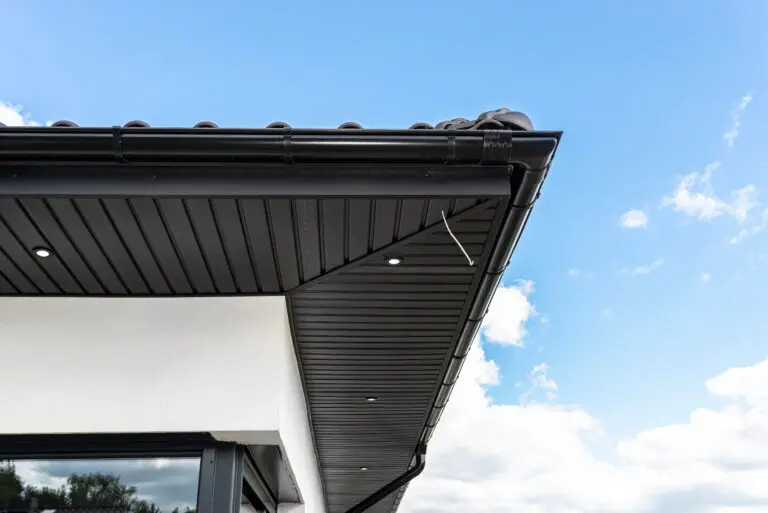
- Soffit Vents are installed along the underside of the roof overhang and serve as intake vents, drawing cool outside air into the attic space from below. Without functioning soffit vents, ridge vents have nothing to pull against and the ventilation system becomes ineffective.
- Gable Vents are installed in the triangular wall sections at each end of the attic and provide cross-ventilation. They work independently of ridge and soffit systems and are more common on older homes, though they can complement a balanced ventilation system when sized and positioned correctly.
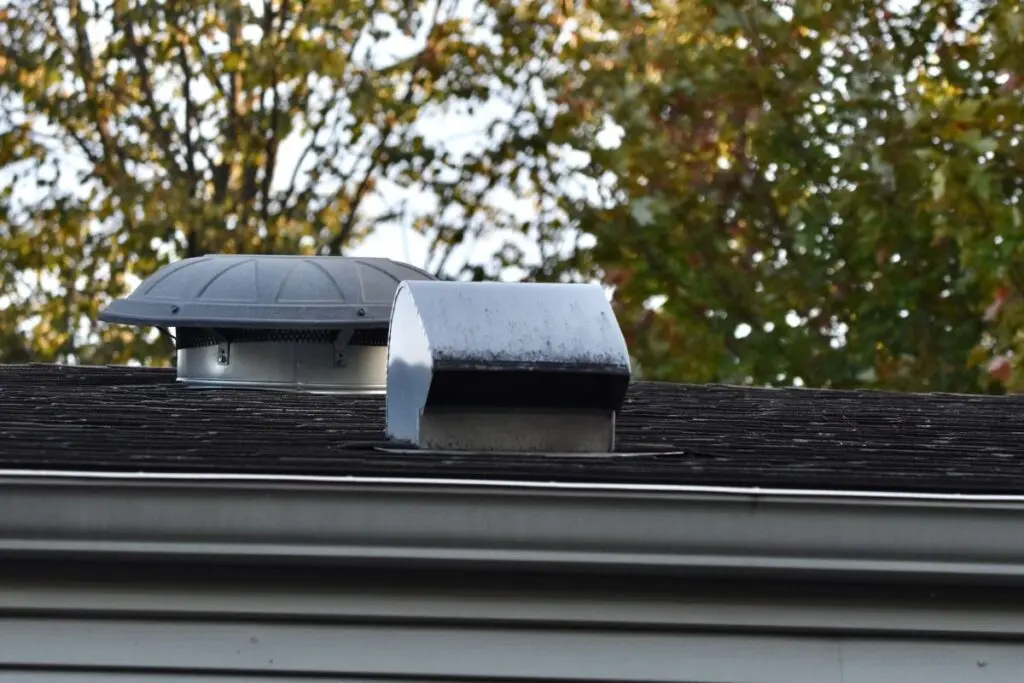
- Powered Attic Ventilators use electric or solar-powered fans to actively pull air through the attic space. They are effective in situations where passive ventilation is insufficient but require proper sizing to avoid pulling conditioned air from the living space below.
- Box Vents and Turtle Vents are static exhaust vents installed near the roof ridge that allow hot air to escape through individual openings. They are a common solution on roofs where a continuous ridge vent is not practical.
The key principle behind any effective attic ventilation system is balance. For every unit of exhaust capacity at the top, there must be an equal amount of intake capacity at the bottom. An imbalanced system creates negative pressure, pulls conditioned air out of the living space, or fails to move enough air to make a meaningful difference.
Warning Signs Your Attic Ventilation Is Failing
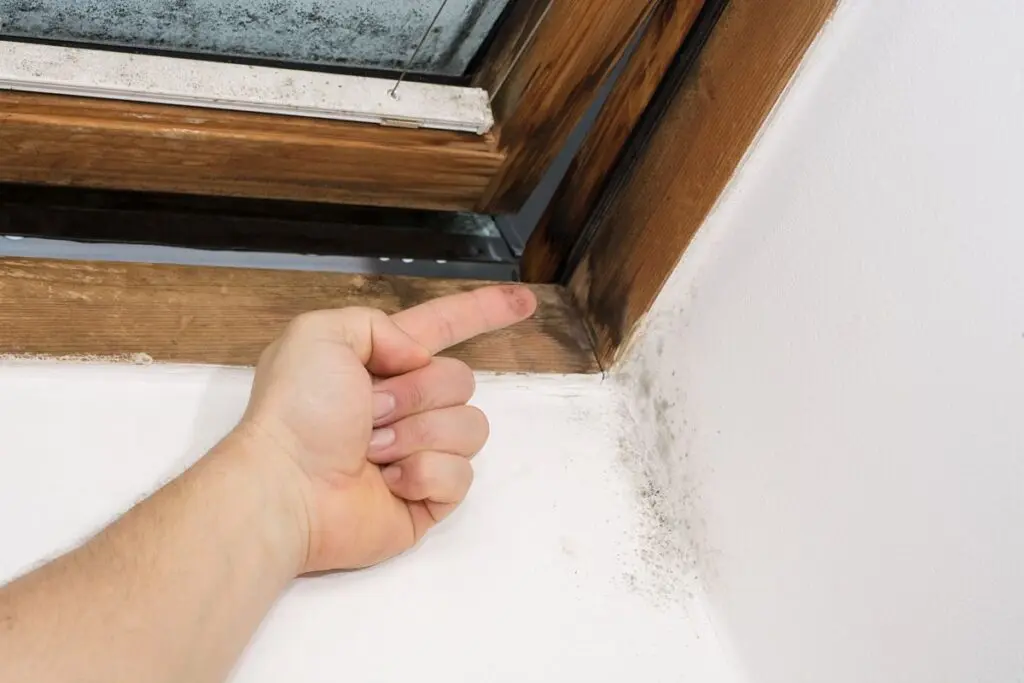
Many homeowners in New Philadelphia, OH and surrounding areas are living with inadequate attic ventilation right now without realizing it. The signs are not always obvious from the outside, but there are clear indicators worth paying attention to both inside and outside the home.
Inside the Attic
- Visible mold or dark staining on the underside of the roof deck or framing members is a direct sign of chronic moisture buildup
- Soft or spongy decking when walked on indicates wood rot has already begun to compromise structural integrity
- Frost on the underside of the roof deck in winter is a reliable indicator that warm, moist air is entering the attic and condensing on cold surfaces
- Insulation that appears wet, compressed, or discolored has likely been exposed to repeated moisture cycles
Outside the Roof
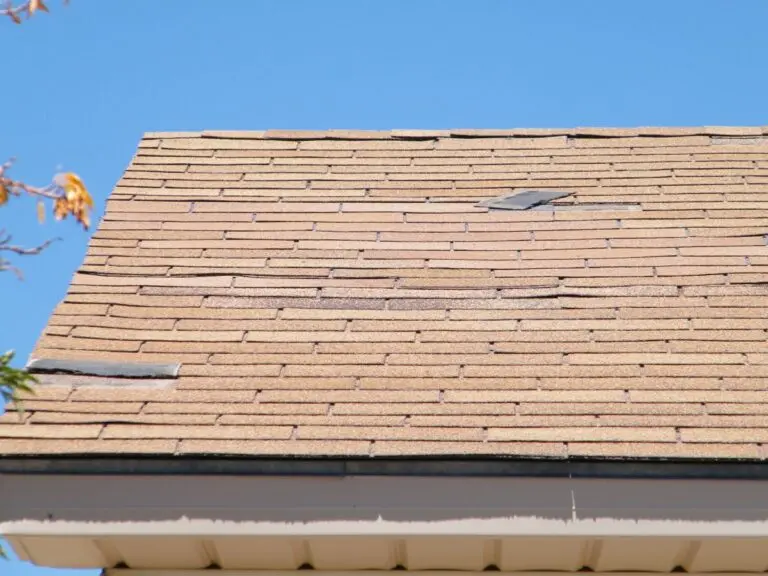
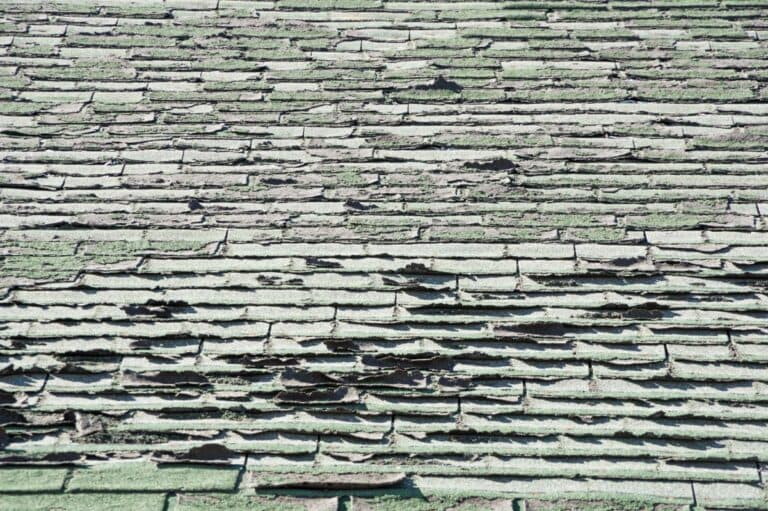
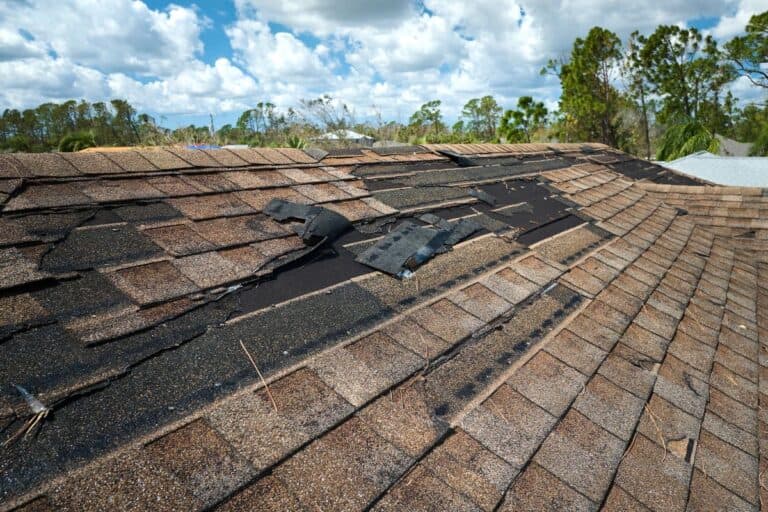
- Shingles that are curling, cupping, or losing granules faster than expected may be experiencing heat damage from below rather than weathering from above
- Ice dams forming at the eaves during winter months point to uneven roof deck temperatures caused by poor ventilation
- A roof that feels noticeably warm to the touch on a sunny day, even in cooler weather, suggests heat is not escaping the attic properly
Inside the Home
- Unusually high energy bills during summer months without a clear explanation often trace back to a superheated attic radiating heat into the living space
- Ceiling stains or peeling paint near the top of exterior walls can indicate moisture is migrating from the attic into the home’s interior
- Rooms that are consistently harder to cool than the rest of the house, particularly those directly below the attic, are often suffering from inadequate attic airflow above them
Your Attic Vent Installation Deserves a Professional Set of Eyes
Proper attic ventilation is not a project that benefits from guesswork. Getting the intake-to-exhaust ratio wrong, blocking soffit vents during insulation work, or installing the wrong vent type for your roof design can create problems just as serious as having no ventilation at all. The details matter, and so does the experience of the person making the decisions.
At Keim Quality Roofing, we have worked with homeowners throughout New Philadelphia, OH and surrounding areas to assess, design, and install attic ventilation systems that genuinely protect their roofs for the long term. We do not recommend more than what your roof system needs, and we take the time to explain exactly what we are doing and why before any work begins. Whether you are dealing with an aging ventilation system, planning a full roof replacement, or simply noticing the warning signs of a ventilation problem, we are ready to help you get it right. Contact us today and let the Keim Quality Roofing team take a closer look at what is happening above your ceiling.