Does Home Insurance Cover Roof Repair? 7 Things to Know
After a storm tears through your neighborhood, the question every homeowner asks is the same: will my insurance cover this? The answer is almost never a simple yes or no, and the gap between what homeowners expect from their policy and what it actually delivers can be thousands of dollars. Does home insurance cover roof repair? It depends on the cause of the damage, the age of the roof, the type of policy you carry, and how well you document and present the claim. Understanding how roofing materials affect your coverage is also part of the equation, and learning how long-lasting roofing systems are built to minimize damage in the first place changes how you think about both your roof and your insurance.
Here is what you will learn in this guide:
- How homeowner insurance policies actually define covered versus non-covered roof damage
- The seven most important things to know before filing a roof repair claim
- What causes of damage are almost always covered and which are almost always excluded
- How your roof’s age and material type affect the settlement amount you receive
- What steps to take immediately after storm damage to protect your claim
- How to work effectively with an insurance adjuster and when to involve a roofing contractor
What Homeowners Get Wrong About Roof Insurance Coverage
Most homeowners assume that if something happened to their roof, their insurance will cover it. That assumption leads to confusion, frustration, and sometimes serious financial shortfalls when a claim comes back approved for far less than the repair actually costs. The truth is that homeowner insurance policies are not roof warranties. They cover sudden, accidental damage from specific covered perils, not the gradual deterioration that comes from time and weather exposure.
This distinction matters enormously in practice. A roof that has been aging for 20 years and develops a leak after a moderate rainstorm is unlikely to produce a successful insurance claim, because the insurer will argue that normal wear and deterioration, not a covered event, is the primary cause of the damage. A roof that is struck by a large branch during a documented windstorm on a specific date has a much stronger claim foundation. For homeowners in New Philadelphia, OH and surrounding areas navigating roof damage after Ohio’s unpredictable storm seasons, understanding where that line falls is the difference between a covered claim and an out-of-pocket expense.
Here is what knowing your coverage actually delivers:
- Financial protection when it matters most: A covered roof claim can mean the difference between an affordable deductible and a $15,000 to $30,000 repair bill that comes entirely out of pocket.
- Faster repair timelines: Homeowners who understand the claims process can move through it efficiently, getting their roof repaired before secondary damage from water intrusion compounds the original problem.
- Stronger negotiating position: Understanding what your policy covers and how settlement amounts are calculated allows you to advocate effectively for a fair settlement rather than accepting whatever the adjuster’s initial assessment produces.
- Better roofing decisions going forward: Understanding how insurance treats different roofing materials and roof ages often influences homeowners to make upgrade decisions that improve both their property and their coverage terms.
- Avoided claim mistakes: Filing claims incorrectly, missing documentation steps, or accepting an initial denial without appeal are all avoidable errors for homeowners who know how the process works.
7 Things to Know About Home Insurance and Roof Repair
These seven points cover the most important dimensions of how homeowner insurance applies to roof damage, and each one addresses a specific aspect of the coverage question that surprises or catches off guard homeowners who have not been through a significant roof claim before.
1. Coverage Depends Entirely on the Cause of Damage
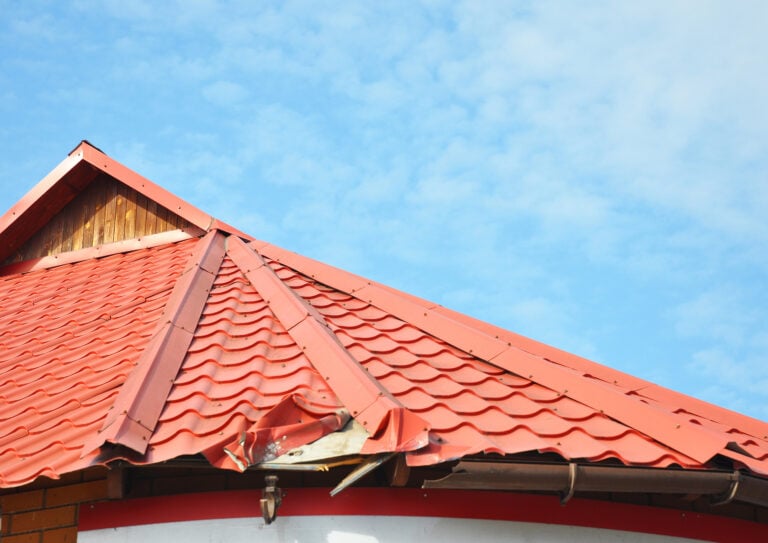
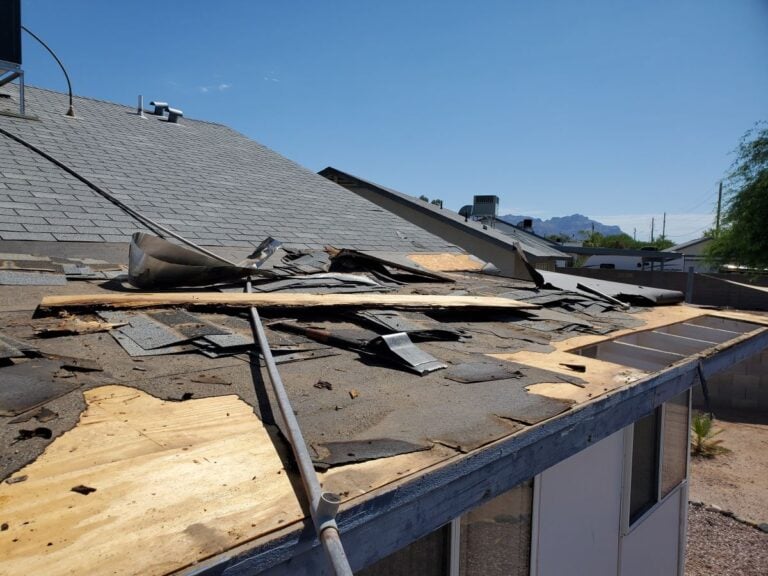
Insurance covers sudden and accidental damage from named perils, not gradual deterioration or maintenance failures. The most commonly covered causes of roof damage include hail, wind, lightning, falling trees or branches, and fire. These are events with specific dates, specific causes, and clear documentation potential.
What insurance typically does not cover:
- Normal wear and aging of roofing materials over time
- Leaks that developed gradually due to deferred maintenance
- Damage caused by pests, mold, or biological growth
- Manufacturer defects in roofing materials (these are covered by product warranties, not insurance)
- Damage resulting from roof condition that was already deteriorated before the claimed event occurred
The practical implication is that a roof in poor condition before a storm is harder to get covered after it than a well-maintained roof hit by the same storm. Insurers will often attribute some portion of the damage to pre-existing deterioration, reducing the claim settlement accordingly.
2. Your Policy Type Determines How Much You Actually Receive
There are two primary ways that homeowner insurance policies settle roof claims, and the difference between them has a major financial impact on the check you receive.
Replacement Cost Value (RCV) policies pay the full cost to repair or replace the damaged roof with comparable materials at current prices, minus your deductible. This is the most favorable settlement basis for homeowners because it does not penalize you for the age of the existing roof.
Actual Cash Value (ACV) policies pay the depreciated value of the damaged roof, which factors in the age and condition of the existing materials at the time of the loss. For a 20-year-old roof with an expected lifespan of 25 years, an ACV settlement might cover only a small fraction of the actual replacement cost because the insurer calculates that most of the roof’s value had already been consumed through use.
Key questions to ask about your current policy:
- Does my policy settle roof claims on an RCV or ACV basis?
- Is there a separate windstorm or hail deductible that applies to roof claims?
- Are there any endorsements or exclusions specific to my roof’s age or material?
3. Your Roof’s Age Significantly Affects Your Claim Outcome
Even on policies that nominally offer replacement cost coverage, many insurers apply age-related limitations specifically to roofing systems. Some policies automatically switch to ACV settlement for roofs over a certain age, often 10 to 20 years depending on the insurer and the market. Others require inspections before renewal and may add exclusions, increase premiums, or decline renewal entirely based on the age and condition of an aging roof.
For homeowners in New Philadelphia, OH and surrounding areas with roofs that are approaching or past the 20-year mark, understanding how their insurer treats older roofs is important both for claim expectations and for renewal planning. An aging asphalt shingle roof may carry more insurance risk and less claim value than the homeowner realizes.
The age factor works in both directions. A newer roof, particularly one made from a more durable material like metal, may qualify for enhanced coverage terms, lower premiums, or impact resistance credits that an older asphalt roof does not.
4. Documentation Before, During, and After the Damage Event Is Critical
Insurance claims are won or lost on documentation, and the homeowners who receive the strongest settlements are almost always the ones who have built a clear and complete record that connects the damage to the covered event and distinguishes it from pre-existing conditions.
Before any damage occurs, maintain records of:
- Roof installation date and materials, including any warranty documentation
- Inspections and maintenance performed, with dates and findings
- Photographs of the roof in good condition taken periodically as a baseline reference
After a damage event occurs:
- Photograph all visible damage immediately, both from ground level and from the roof surface if it can be safely accessed
- Note the date, time, and nature of the storm or event that caused the damage
- Save any local weather service reports, news coverage, or emergency notifications that document the event occurred and its severity
- Do not make permanent repairs before the insurer has sent an adjuster to assess the damage, but do make temporary protective measures to prevent further interior damage from water intrusion
5. Hail Damage Claims Follow a Specific Assessment Process
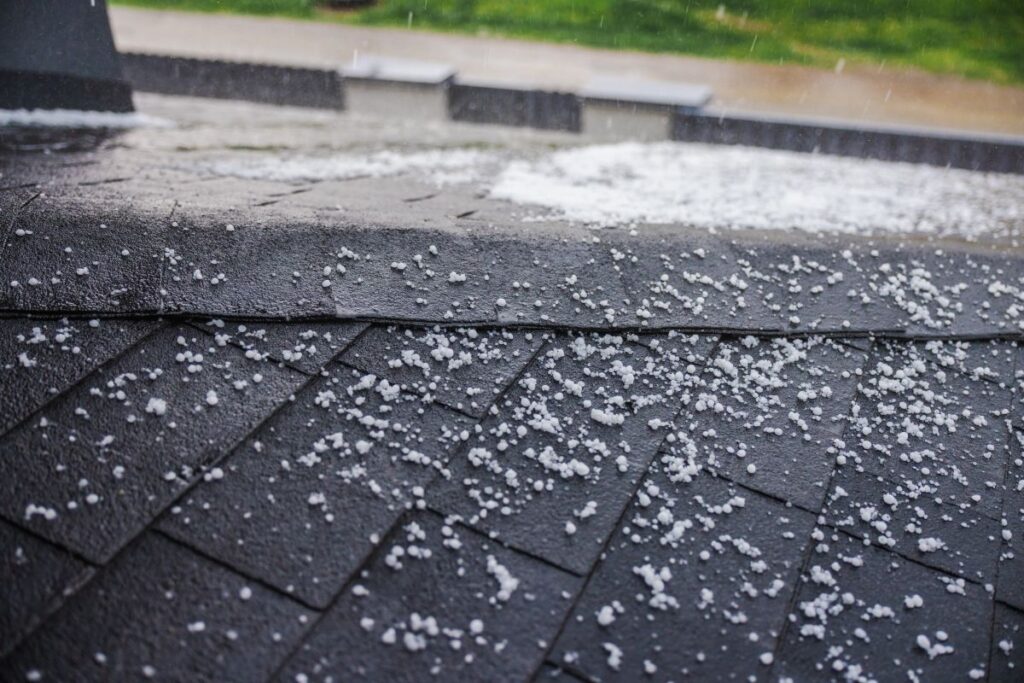
Hail is one of the most common covered causes of roof damage in Ohio, and hail claims have a specific assessment methodology that homeowners benefit from understanding before the adjuster arrives.
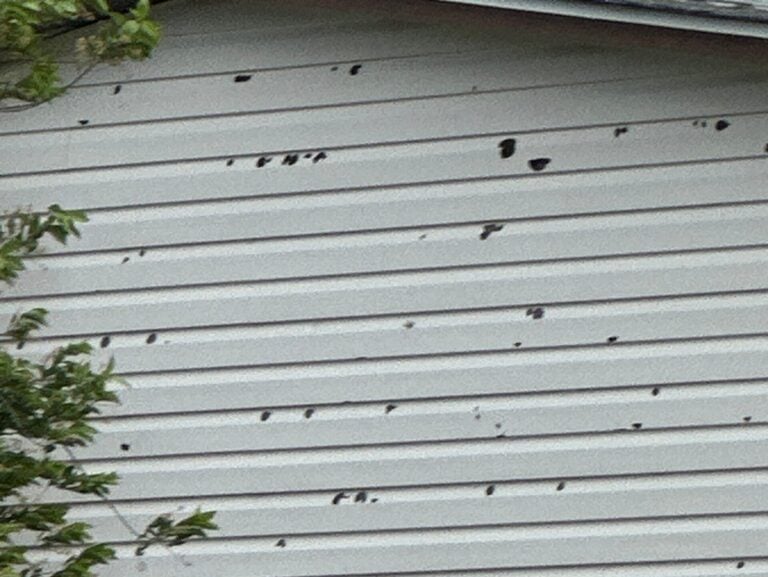
Insurance adjusters assess hail damage by looking for functional damage, meaning impact marks that have compromised the shingle’s water-shedding ability, rather than cosmetic marks that affect appearance without affecting function. This distinction matters because not all hail impact marks constitute a covered claim. Small hail that leaves marks but does not damage the shingle mat may not meet the threshold for a covered loss under many policies.
What adjusters look for in a hail damage assessment:
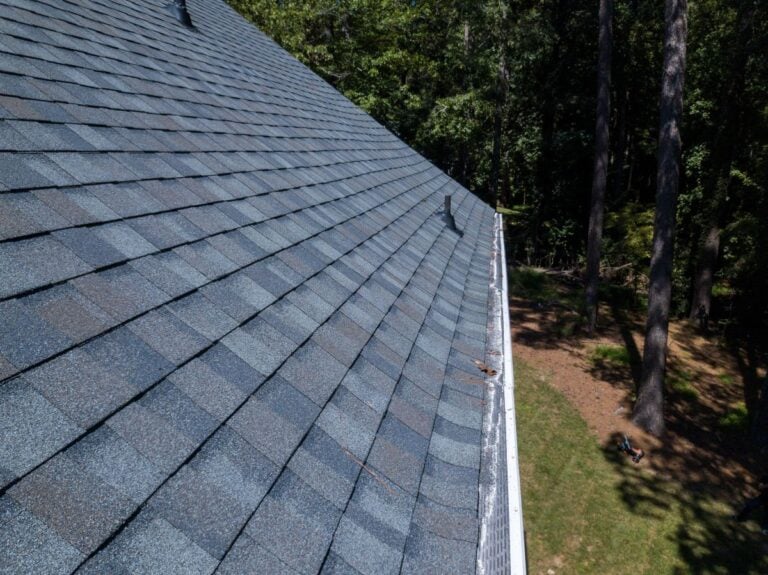
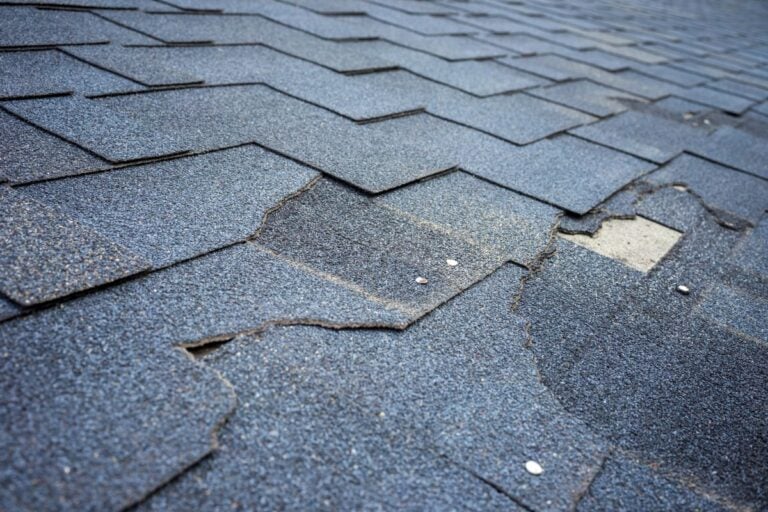
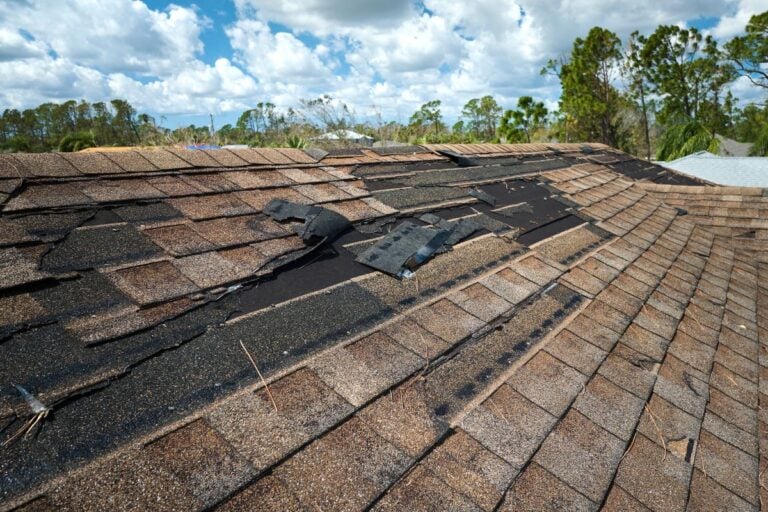
- Circular impact marks with granule displacement that expose the fiberglass mat beneath
- Dents or deformation in metal components including flashing, gutters, and downspouts that corroborate the hail size and density
- Consistent distribution of impact marks across the roof surface that matches the storm’s trajectory
- Soft metal test areas such as aluminum vents or ridge cap that show denting from hail that would have damaged shingles
Having a roofing contractor you trust present during the adjuster inspection is a legitimate and often advisable practice. A knowledgeable contractor can point out damage that an adjuster might otherwise miss and can ensure that the full scope of covered damage is documented in the adjuster’s report.
6. You Have the Right to Dispute an Adjuster’s Assessment
An adjuster’s initial assessment is not a final determination, and homeowners who believe their damage has been undervalued or improperly excluded have options beyond simply accepting the initial offer.
Steps available to dispute a claim outcome:
- Request a detailed written explanation of the settlement calculation, including any depreciation applied and any damage that was excluded with the reason for exclusion
- Obtain an independent inspection from a qualified roofing contractor who can document damage that was not included in the adjuster’s assessment
- File a formal appeal with the insurer using the contractor’s documentation to support your position
- Request reinspection if new evidence is available or if you believe the original assessment was incomplete
- Contact your state’s Department of Insurance if you believe the insurer has acted in bad faith or failed to follow proper claims procedures
Many homeowners in New Philadelphia, OH and surrounding areas who accept an initial claim denial or a low settlement offer without pursuing these options leave significant money on the table. The appeals process exists specifically to address situations where the initial assessment did not produce a fair outcome.
7. Certain Roofing Materials Can Improve Your Insurance Terms
The material your roof is made from affects not just its performance against weather events but also how your insurer views the risk it represents and the terms under which they are willing to cover it. This is one of the most underappreciated connections between roofing decisions and insurance outcomes.
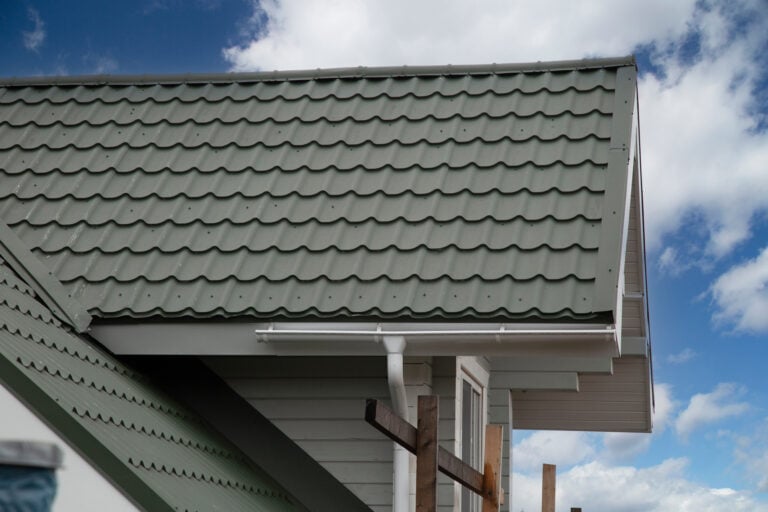
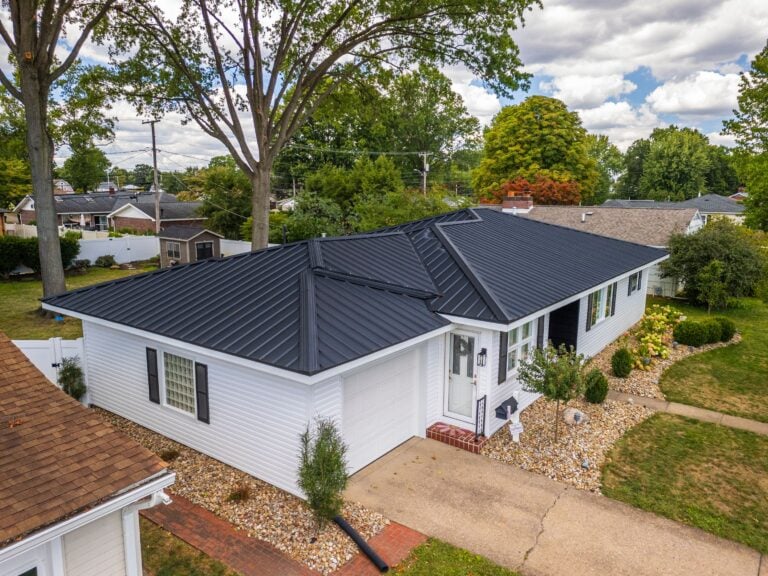
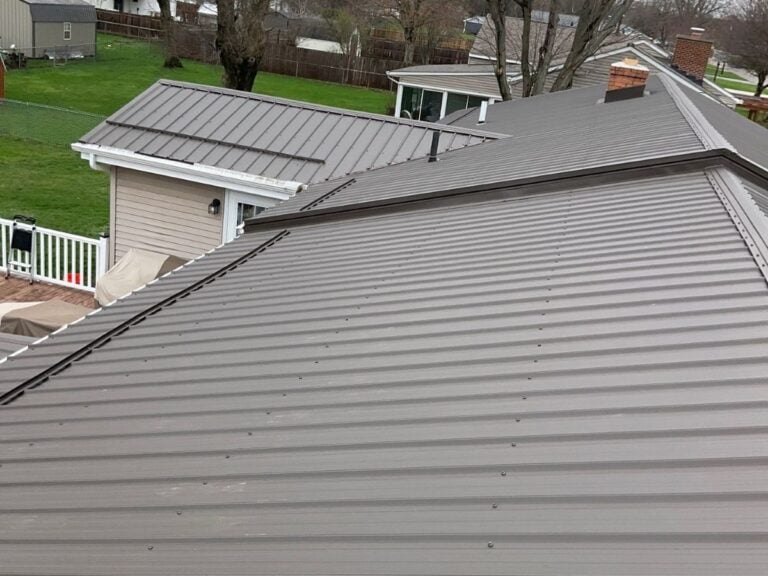
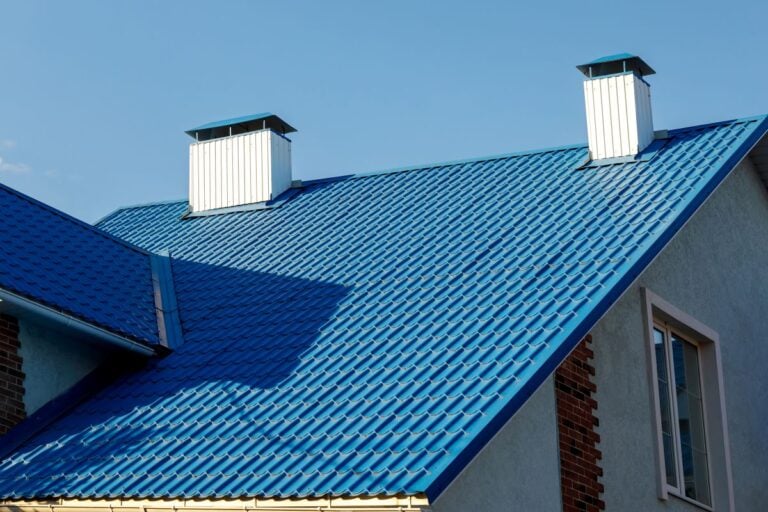
Class 4 impact-rated roofing materials, including many metal roofing products and certain premium asphalt shingles, meet the highest standard for hail resistance established by Underwriters Laboratories UL 2218 testing. In Ohio, where hail events are a meaningful seasonal risk, many insurers offer premium discounts of 10 to 30 percent for homes with Class 4 impact-rated roofing. Over the 40 to 70 year service life of a metal roof, those annual savings compound into a significant financial benefit that partially offsets the higher upfront cost of the premium material.
Additionally, metal roofing’s fire resistance and wind resistance ratings may qualify for additional insurance credits depending on the insurer and the specific product specification. When making a roofing upgrade decision, contacting your insurance agent before finalizing the material choice allows you to factor any premium changes, credits, or coverage enhancements into the total cost comparison.
How to Work Effectively with Your Insurance Adjuster
The relationship between a homeowner and an insurance adjuster is not adversarial by nature, but it does involve competing interests. The adjuster is employed by or contracted to the insurance company and is tasked with assessing the claim accurately within the policy terms. The homeowner’s interest is in receiving a fair settlement for legitimate covered damage. Working effectively within that dynamic requires preparation and knowledge rather than confrontation.
Before the Adjuster Arrives
Review your policy documentation to understand what is covered, what deductibles apply, and how your roof will be settled (RCV vs. ACV). Gather your documentation including installation records, any previous inspection reports, and photographs of the roof in its pre-damage condition. Consider scheduling a roofing contractor to be present during the adjuster inspection, particularly for significant damage events.
During the Inspection
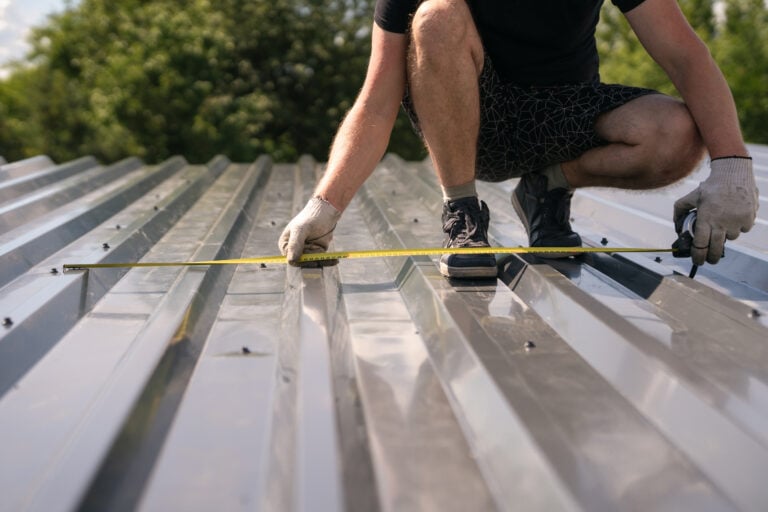
Walk the roof with the adjuster if it is safe to do so. Point out specific areas of damage you have identified, particularly any that may not be immediately visible from a ground-level assessment. Ask questions about what the adjuster is documenting and why specific areas are or are not being included in the assessment. Request a copy of the adjuster’s report before it is finalized whenever possible.
After the Assessment
Review the settlement offer carefully against the actual repair cost estimate from your contractor. If there is a significant gap, do not assume the adjuster’s number is correct. Request the detailed calculation, compare it to your contractor’s estimate, and initiate the dispute process if warranted.
Protect Your Home and Know Where You Stand
Home insurance coverage for roof repair is not a simple yes or no, and the homeowners who navigate it most successfully are the ones who understand their policy, document damage thoroughly, and advocate for fair treatment throughout the claims process.
At Keim Quality Roofing, we work with homeowners throughout the New Philadelphia, OH and surrounding areas to assess storm damage, provide thorough documentation for insurance claims, and install roofing systems that are built to perform and built to support strong insurance outcomes over their full service life. Whether you are dealing with recent damage, preparing a claim, or considering a roofing upgrade that improves your coverage terms, we are ready to help.
Do not navigate the insurance process alone. Contact us today to schedule a damage assessment and get the professional documentation your claim deserves.