Does Homeowners Insurance Cover Roof Leaks? 7 Things For You to Know
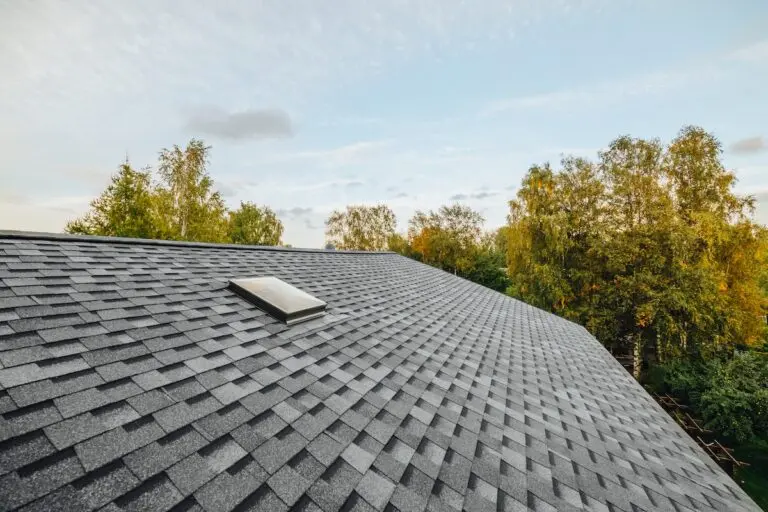
A roof leak can go from a minor drip to a major disaster faster than most homeowners expect. Knowing whether does homeowners insurance cover roof leaks applies to your specific situation before water starts coming in can save you thousands of dollars and weeks of stress. The answer is rarely a simple yes or no, and the details of your policy matter more than most people realize. If you want to understand how your roof holds up under pressure, knowing what your coverage actually protects is the right place to start.
Here is what you will learn in this post:
- When homeowners insurance typically covers roof leaks and when it does not
- The 7 most important things every homeowner should know about leak coverage
- How the cause of a leak determines whether your claim gets approved or denied
- What steps to take immediately after discovering a roof leak
- How your roof’s age and condition affect your coverage
- What to watch for when reviewing your policy before filing a claim
- How a trusted local roofing contractor can support you through the process
The Real Reason This Question Matters So Much
Roof leaks are one of the most misunderstood areas of homeowner’s insurance, and that misunderstanding costs people real money every year. Many homeowners assume that because they pay their premiums faithfully, any damage to their roof is automatically covered. The reality is more complicated, and finding out the hard way during an active claim is the worst possible time to learn the details.
Understanding your coverage before a leak occurs puts you in a position to make smarter decisions about maintenance, repairs, and policy selection. Here is why this topic deserves your full attention:
- Claim denials are more common than you think: Insurance companies deny a significant number of roof leak claims each year, most often because the damage is attributed to neglect or wear and tear rather than a sudden covered event.
- The cause of the leak is everything: Two homeowners with identical damage can have completely different claim outcomes based solely on what caused the leak in the first place.
- Ohio weather creates real risk: Homeowners in Massillon, OH and surrounding areas deal with heavy snow loads, ice dams, and severe hail events that make roof leaks a genuine seasonal concern.
- Policy details vary widely: Coverage limits, deductible types, and exclusions differ significantly from one insurer to the next, and what is covered under one policy may not be covered under another.
- Acting quickly protects your claim: How you respond in the hours and days after a leak is discovered can directly impact whether your insurer honors your claim in full.
7 Things Every Homeowner Should Know About Roof Leak Coverage
Navigating insurance coverage for roof leaks requires understanding a specific set of facts that most homeowners never think about until they are already dealing with damage. Here are the seven most important things to know before a leak ever appears.
1. Coverage Depends Almost Entirely on the Cause
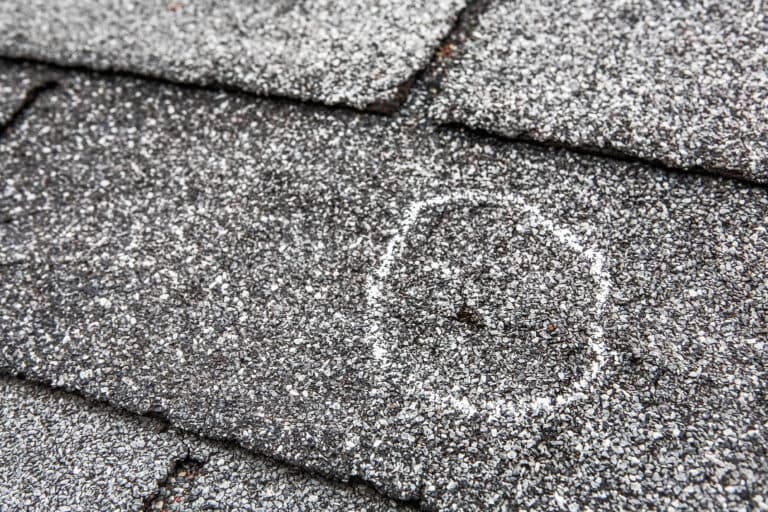
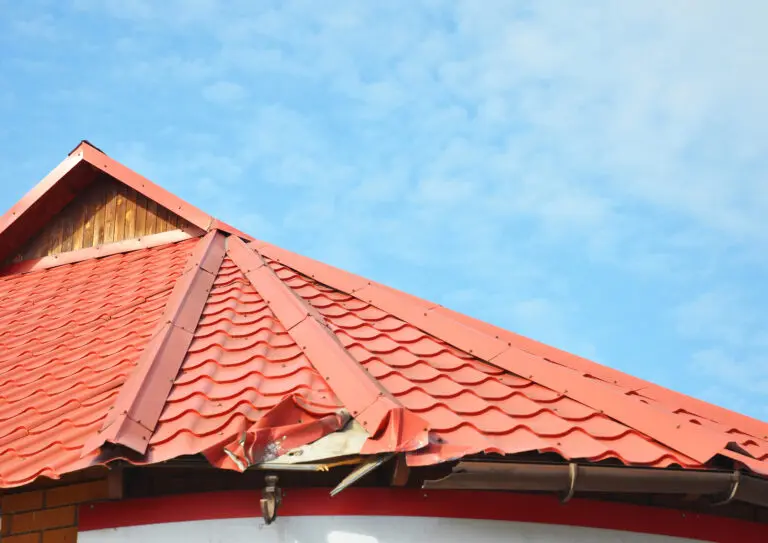
Insurance companies do not simply ask whether your roof is leaking. They ask why it is leaking. A leak caused by a sudden, unexpected event like a hailstorm, a falling tree branch, or high winds is almost always covered under a standard homeowner’s policy. A leak caused by years of neglected maintenance or an aging roof that has simply worn out is almost never covered.
- Sudden storm damage: typically covered
- Hail or wind damage: typically covered
- Gradual deterioration: typically not covered
- Improper installation: typically not covered
- Long-term neglect: typically not covered
2. Ice Dams Are a Gray Area That Catches Many Homeowners Off Guard
Ice dams form when heat escapes through the roof, melts snow near the peak, and that water refreezes at the cold eaves, eventually backing up under shingles and causing leaks. For homeowners in Massillon, OH and surrounding areas, ice dams are a regular winter concern and their coverage status is not always clear cut.
- Some policies cover ice dam damage as a sudden and accidental event
- Others classify it as a maintenance issue related to inadequate insulation or ventilation
- The outcome often depends on how your specific policy defines covered perils
- Having proper attic insulation and ventilation documented can support your claim if ice dam damage occurs
3. Your Roof’s Age Directly Affects How Much You Receive
Even when a leak is covered, the age of your roof plays a significant role in determining how much your insurer will actually pay out. Many policies distinguish between replacement cost value and actual cash value, and that difference can be substantial.
- Replacement Cost Value (RCV): Pays to replace your damaged roof at today’s material and labor costs, minus your deductible
- Actual Cash Value (ACV): Pays the depreciated value of your roof based on its age and condition at the time of loss
- A 15-year-old roof that costs $14,000 to replace might only receive $6,000 under an ACV policy after depreciation is applied
- Reviewing which type of coverage you carry before a leak occurs is one of the most valuable things you can do as a homeowner
4. Delayed Reporting Can Hurt or Kill Your Claim
Most homeowner’s insurance policies require prompt reporting of damage. If a leak goes unreported for an extended period and the damage worsens as a result, your insurer may argue that the additional damage was caused by your failure to act, not by the original covered event.
- Report damage to your insurer as soon as it is discovered
- Document everything with photos and video before making any temporary repairs
- Make reasonable temporary repairs to prevent further damage, but keep all receipts
- Do not wait to see if the leak gets worse before calling your insurance company
5. Maintenance Records Can Make or Break Your Claim
One of the most effective things a homeowner can do to protect their ability to file a successful roof leak claim is to keep documented records of regular roof maintenance and inspections. When an insurer investigates a claim, they are looking for evidence of either neglect or responsible upkeep.
- Annual inspection reports from a licensed roofing contractor carry significant weight
- Records of past repairs show that known issues were addressed promptly
- Photographs of your roof’s condition over time provide a clear maintenance history
- Homeowners in Massillon, OH and surrounding areas who schedule routine spring inspections after winter weather are in a much stronger position when storm season arrives
6. Interior Damage Is Often Covered Separately
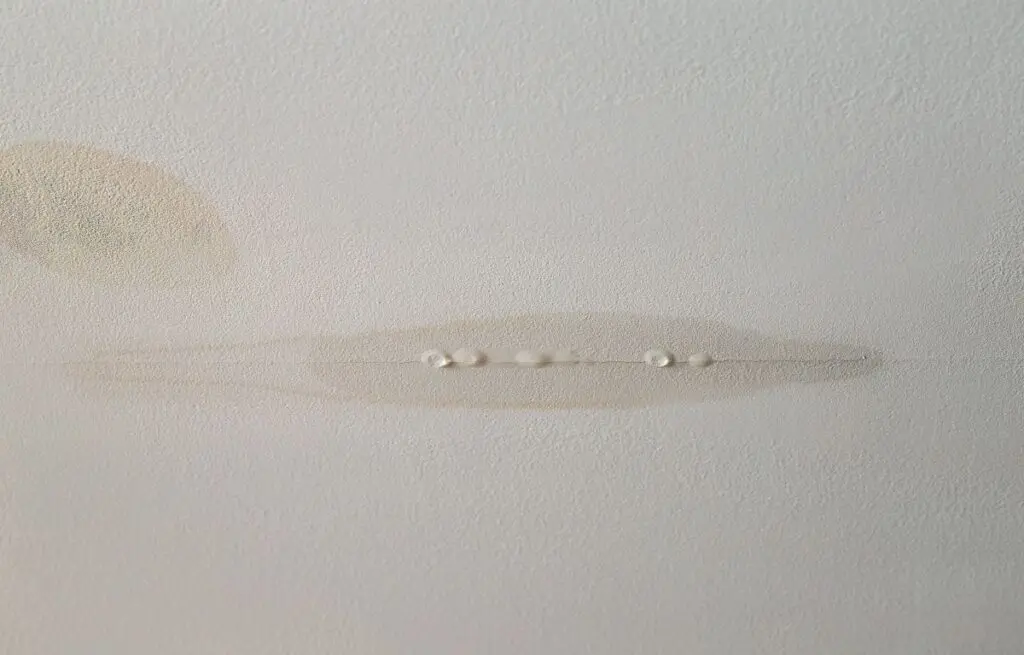
When a roof leak causes damage to the interior of your home, that damage may be covered under a different portion of your homeowner’s policy than the roof itself. Ceiling damage, ruined insulation, water-stained drywall, and damaged personal property may all fall under your dwelling or personal property coverage rather than your roof coverage.
- Review your policy to understand how interior water damage is handled
- Document all interior damage thoroughly before any cleanup or repairs begin
- Keep damaged materials where possible until your adjuster has completed their inspection
- Interior mold resulting from a leak may or may not be covered depending on your policy terms
7. Your Contractor’s Role in the Claims Process Is More Important Than Most Homeowners Realize
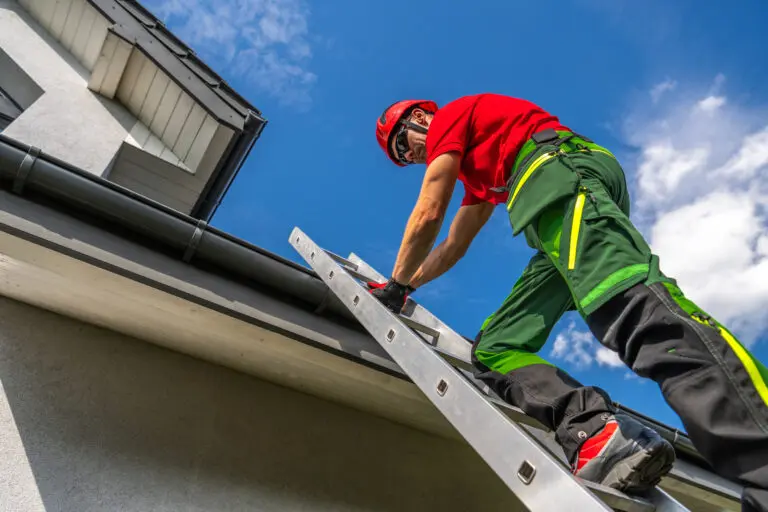
A professional roofing contractor does far more than just fix the damage. An experienced contractor can provide a detailed inspection report that documents the cause of the leak, the extent of the damage, and the scope of repairs needed. That documentation becomes one of the most important pieces of evidence in your claim.
- Schedule a professional inspection as soon as a leak is discovered
- Ask your contractor to provide a written report that clearly identifies the cause of damage
- Have your contractor present when the insurance adjuster visits your property
- A knowledgeable contractor can identify damage that an adjuster might overlook and advocate for a complete and fair assessment
What Your Policy Likely Covers and What It Probably Does Not
Understanding the boundaries of your coverage before you need to use it is one of the smartest things a homeowner can do. Roof leak coverage is not a blanket protection, and the line between covered and excluded damage is drawn in very specific places.
Situations That Are Typically Covered
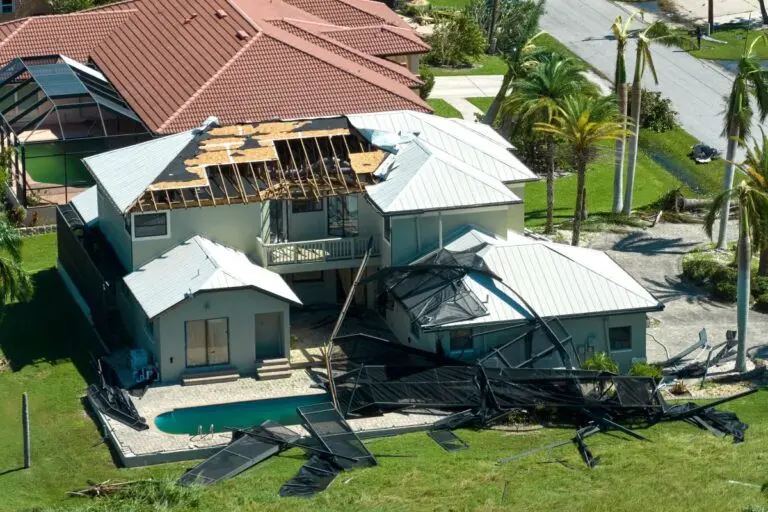
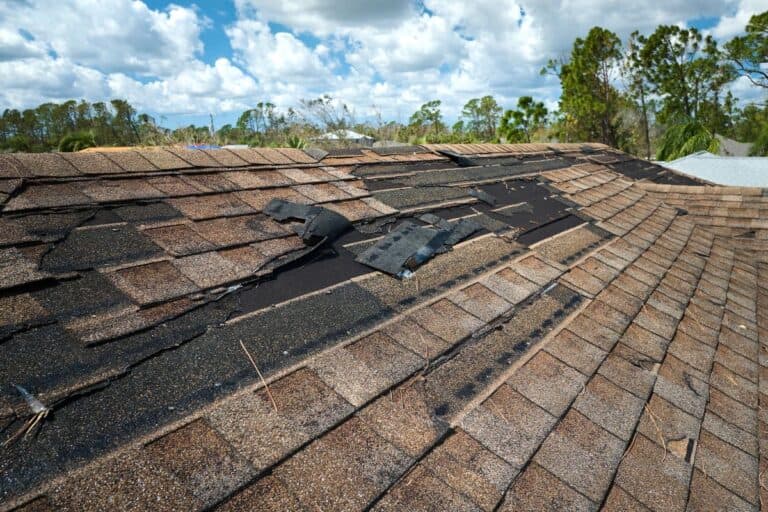
Sudden storm damage is the most commonly covered cause of roof leaks. Wind, hail, and heavy rain that compromise your roof’s integrity and allow water to enter are standard covered perils under most homeowner’s policies. The key word is sudden. The damage must have occurred as the result of a specific weather event, not over time.
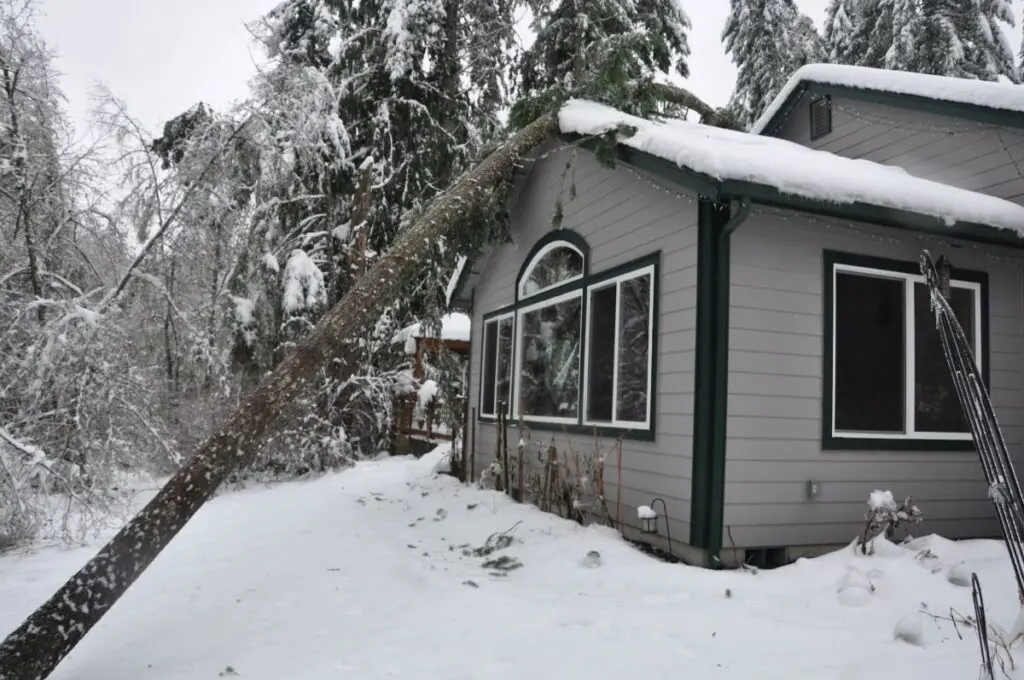
Falling objects including tree limbs, branches, and other debris that puncture or damage your roof during a storm are generally covered. If a neighbor’s tree falls on your roof during a windstorm, your homeowner’s policy is typically what responds first.
Weight of ice or snow is a covered peril under many standard policies. If excessive snow accumulation or ice causes your roof to fail and water enters the home, that type of damage may qualify for coverage depending on your specific policy language.
Situations That Are Typically Not Covered
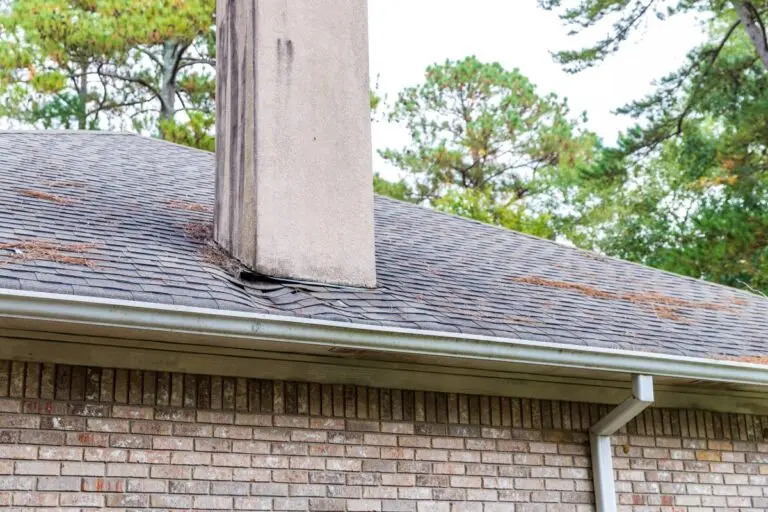
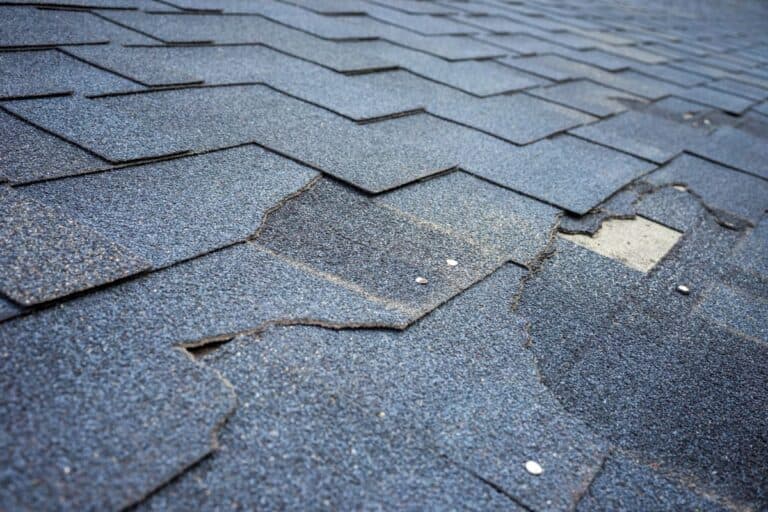
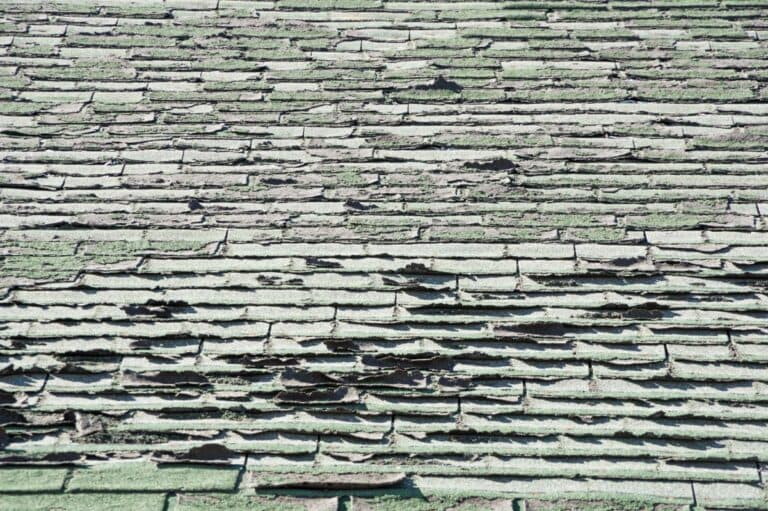
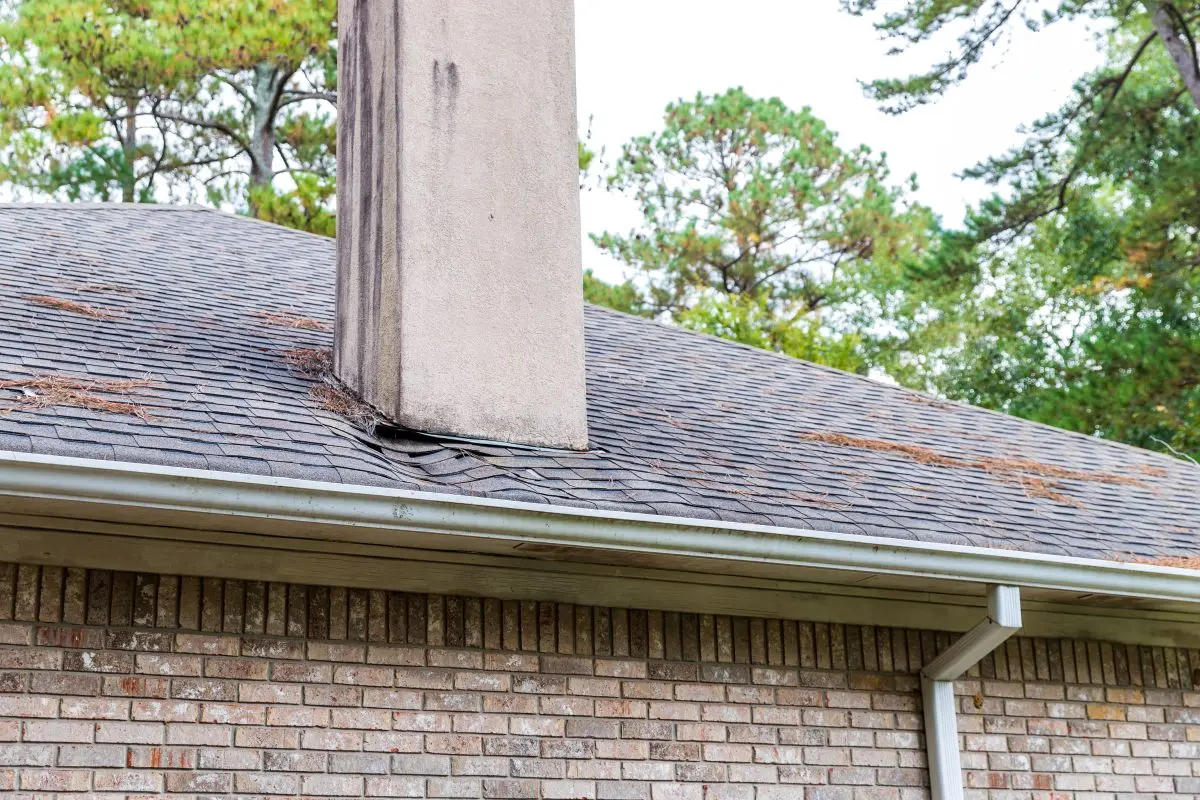
Gradual wear and tear is the most common reason roof leak claims are denied. If your roof has been slowly deteriorating for years and eventually begins leaking, your insurer will almost certainly classify that as a maintenance issue rather than a covered loss.
Lack of maintenance is closely related to wear and tear but specifically refers to situations where a homeowner knew about a problem and failed to address it. A missing shingle that goes unreplaced for two seasons and eventually leads to water intrusion is unlikely to result in a successful claim.
Faulty installation damage resulting from improper workmanship is not covered under a standard homeowner’s policy. This is one more reason why working with a licensed, reputable roofing contractor from the start protects your long-term coverage.
Pre-existing damage that was present before your current policy took effect is excluded. If damage existed prior to your coverage start date, your insurer has no obligation to cover it.
How to Strengthen Your Position Before and After a Leak

Being proactive about your roof and your insurance policy is the single most effective way to protect yourself when a leak occurs. These practical steps can make a meaningful difference in both your claim outcome and your overall roofing insurance costs.
Schedule Annual Professional Inspections
A yearly inspection by a licensed roofing contractor gives you documented proof that your roof is being actively maintained. For homeowners in Massillon, OH and surrounding areas, a spring inspection after the winter months is particularly valuable for catching any damage caused by ice, snow, or freeze-thaw cycles before it develops into something more serious.
Review Your Policy Every Year
Insurance policies change at renewal, and coverage terms that applied last year may not apply this year. Take time each year to review your deductible type, coverage limits, and any exclusions that apply to your roof. If your roof has aged significantly, consider asking your insurer whether your current coverage type still makes sense for your situation.
Photograph Your Roof Regularly
A photographic record of your roof’s condition over time is one of the most underutilized tools available to homeowners. Taking photos after major weather events and storing them with dates gives you a clear visual timeline that can support a claim and demonstrate that damage was sudden rather than gradual.
Work Only With Licensed and Insured Contractors
Every roofing contractor who works on your home should carry general liability insurance, workers compensation, and proper licensing. Damage resulting from unlicensed or uninsured work may not be covered by your homeowner’s policy, and it can create significant liability exposure for you as the property owner.
Act Immediately When Damage Occurs
Time works against you in a roof leak situation. The longer water is allowed to penetrate your home, the more interior damage accumulates and the harder it becomes to prove that all of the damage resulted from a single covered event. Temporary repairs, prompt reporting, and professional documentation should all happen as quickly as possible after a leak is discovered.
Do Not Wait Until Water Is Coming Through the Ceiling
Roof leaks rarely announce themselves at a convenient time, and the gap between a minor issue and a major claim can close faster than most homeowners expect. Understanding your coverage now, maintaining your roof consistently, and knowing who to call when something goes wrong are the three things that separate homeowners who navigate the claims process smoothly from those who are left managing it alone.
At Keim Quality Roofing, we work alongside homeowners throughout Massillon, OH and surrounding areas to provide honest inspections, thorough documentation, and real support from the moment damage is discovered through the completion of every repair. We know what insurers look for, we know how to document damage accurately, and we are committed to making sure you have everything you need to move forward with confidence. If you have noticed signs of a leak or simply want a professional set of eyes on your roof before the next storm season arrives, contact us today and let the Keim Quality Roofing team go to work for you.