Storm Damage Roof Insurance Claims: What Is Covered?
After a severe storm, figuring out what your insurance will actually pay for can feel confusing and stressful. Understanding storm damage roof insurance claim coverage helps you avoid delays, denials, and unexpected costs. If you suspect your roof has been affected, it is wise to review your options and explore trusted solutions like those outlined here to ensure your home is properly protected.
In this guide, you will learn:
- What types of storm damage are typically covered
- What insurance companies may exclude
- How to file a successful claim step by step
- Common mistakes that lead to claim denials
- How to work with contractors and adjusters
- Tips to maximize your insurance payout
Why Understanding Storm Damage Coverage Is Critical
Storm damage can happen suddenly, but the financial impact can last for years if not handled properly. Homeowners in New Philadelphia, OH and surrounding areas often face unpredictable weather, making it essential to understand what their insurance policy truly covers before damage occurs.
Having a clear understanding of your coverage helps you:
- Respond Quickly After Storms: Knowing your policy allows you to act immediately and prevent further damage.
- Avoid Claim Denials: Understanding exclusions helps you avoid mistakes that could result in rejected claims.
- Protect Your Investment: Your roof is a major asset, and proper coverage ensures it stays protected.
- Reduce Out-of-Pocket Costs: Filing correctly increases the likelihood of receiving full compensation.
- Make Informed Decisions: Confidence in your coverage allows you to move forward without hesitation.
For homeowners in New Philadelphia, OH and surrounding areas, preparation is key when severe weather strikes.
6 Types of Storm Damage Roof Insurance Coverage
Not all storm damage is treated equally by insurance companies. Understanding what is typically covered can help you navigate the claims process more effectively.
1. Wind Damage
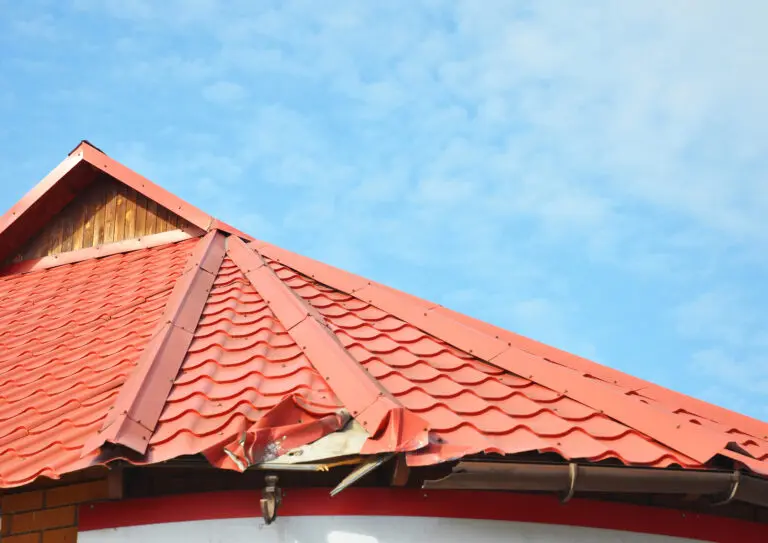
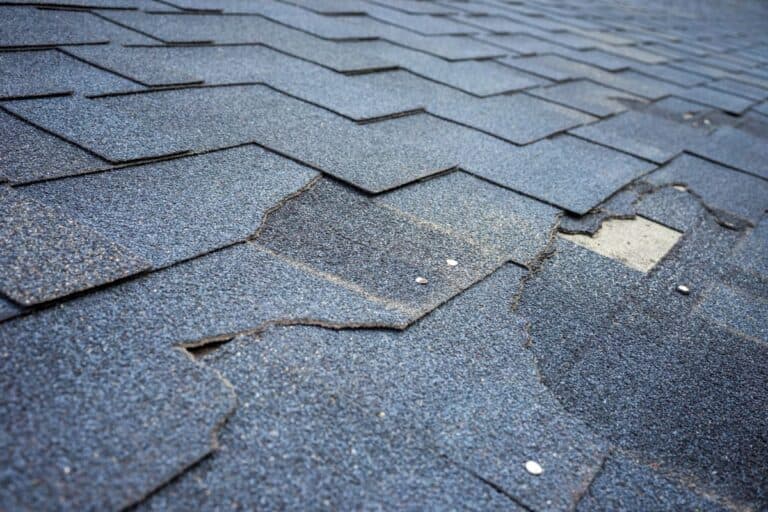
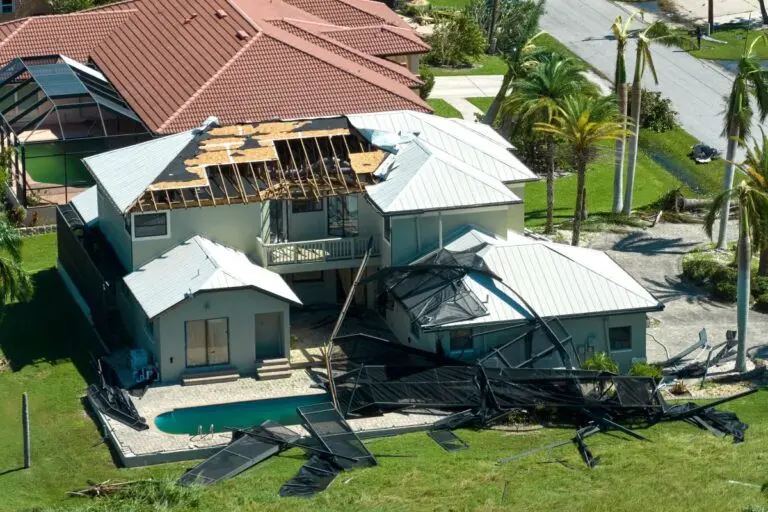
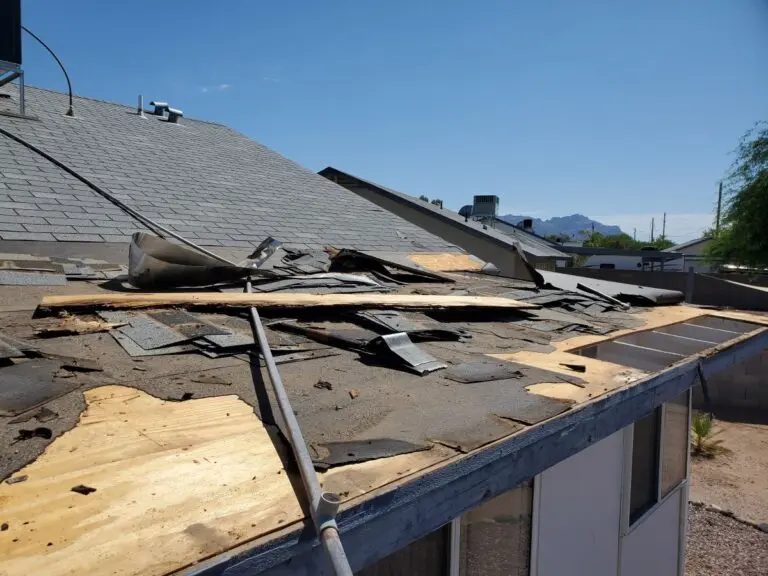
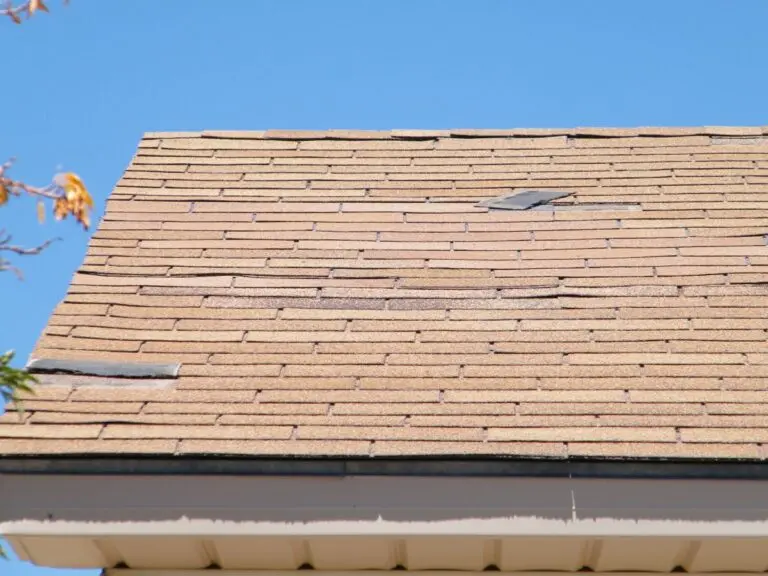
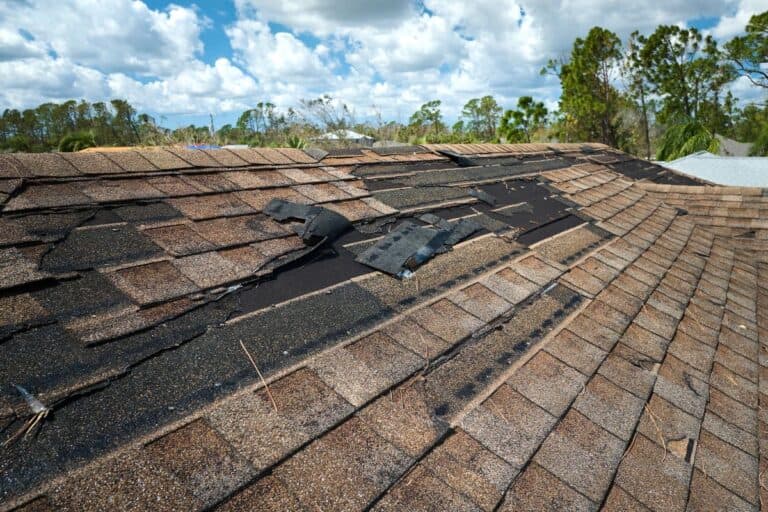
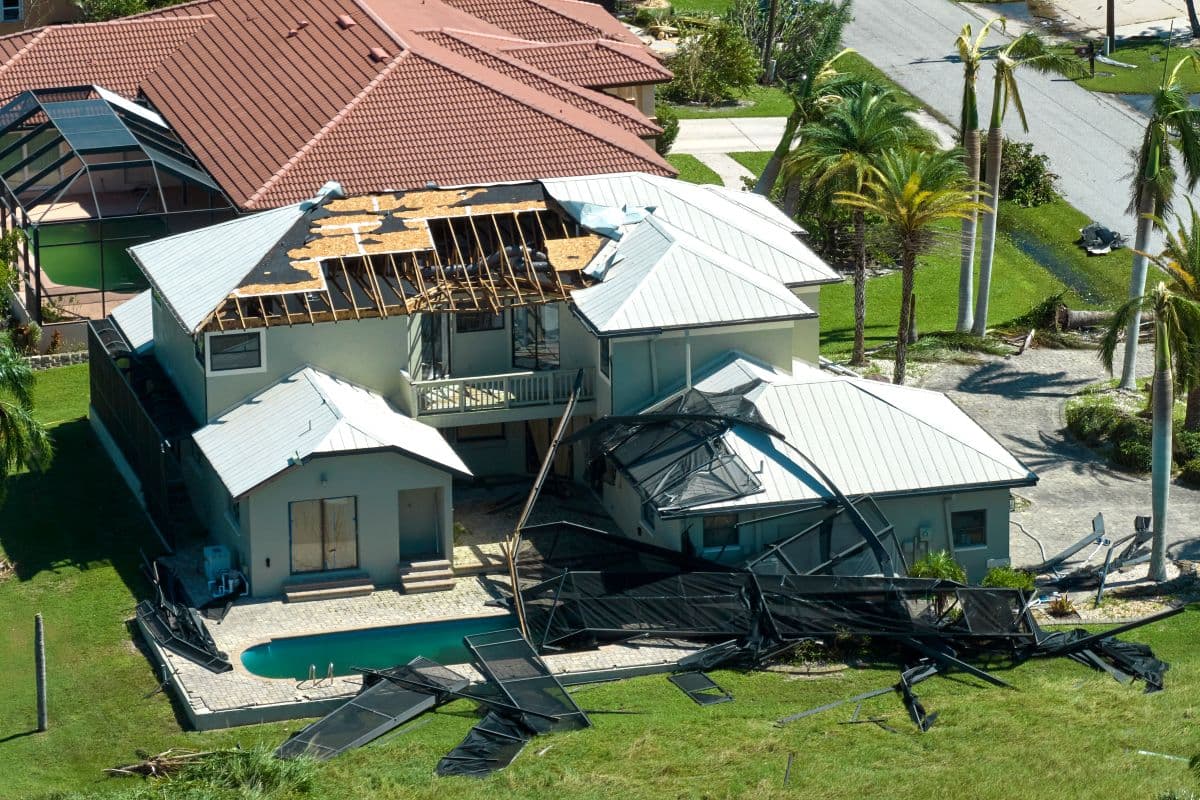
Strong winds can lift, crack, or completely remove shingles, exposing your roof to further damage.
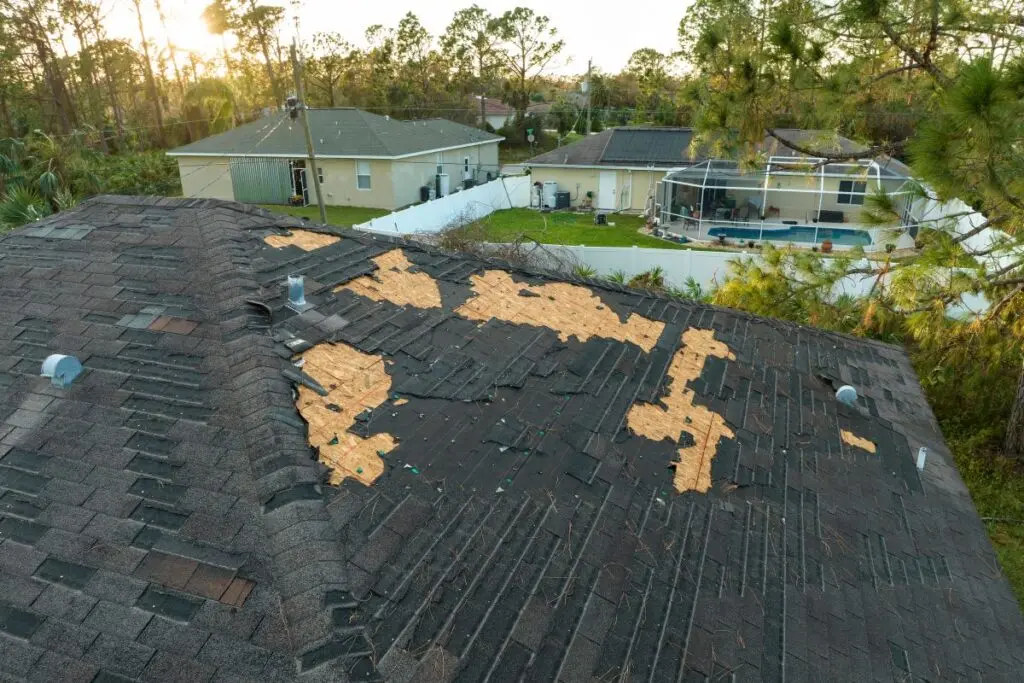
Common signs include:
- Missing shingles
- Curling or lifted edges
- Debris scattered across your roof
Most insurance policies cover wind damage if it results from a sudden event.
2. Hail Damage
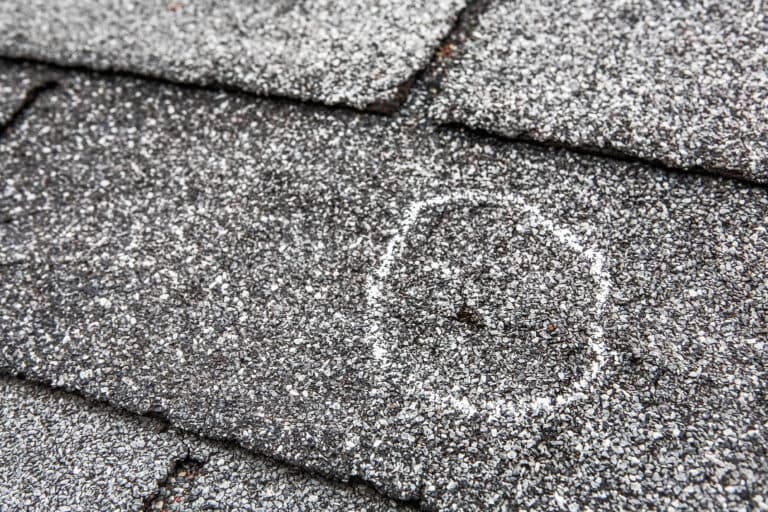
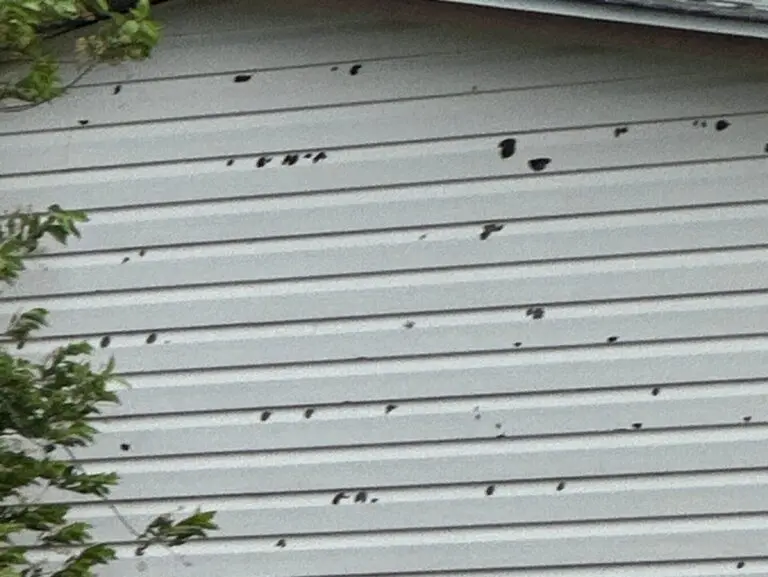
Hail can cause both visible and hidden damage that weakens your roof over time.
Look for:
- Dents or impact marks
- Granule loss on shingles
- Soft spots that may lead to leaks
Hail damage is typically covered, but proper documentation is essential.
3. Falling Debris
Storms often bring down tree branches or other debris that can puncture or crack roofing materials.
Coverage usually includes:
- Structural damage from impact
- Repairs to affected areas
- Removal of debris
Prompt action is important to prevent additional issues.
4. Water Damage from Storms
If storm damage leads to leaks, your policy may cover interior damage as well.
This can include:
- Ceiling stains
- Insulation damage
- Mold caused by water intrusion
However, coverage depends on whether the damage was sudden and not due to neglect.
5. Lightning Damage
Lightning strikes can cause serious structural damage or even fires.
Insurance may cover:
- Roof repairs or replacement
- Electrical system damage
- Fire-related restoration
Documentation and inspection are critical for these claims.
6. Ice and Snow Damage
In colder regions, heavy snow or ice buildup can stress your roof.
Covered issues may include:
- Ice dam damage
- Structural strain
- Water infiltration from melting ice
Homeowners in New Philadelphia, OH and surrounding areas should monitor winter conditions closely to catch issues early.
What Roof Damage Is NOT Covered by Insurance?
While insurance provides valuable protection, there are important limitations to understand. Knowing what is excluded helps you avoid costly surprises.
Wear and Tear
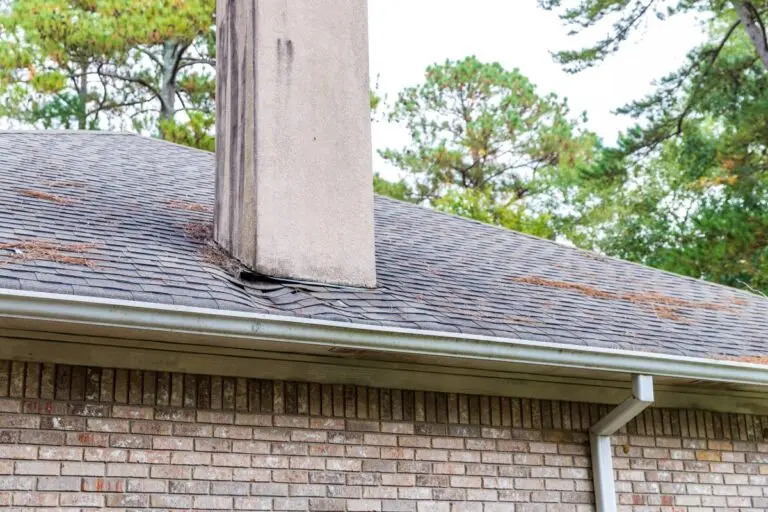
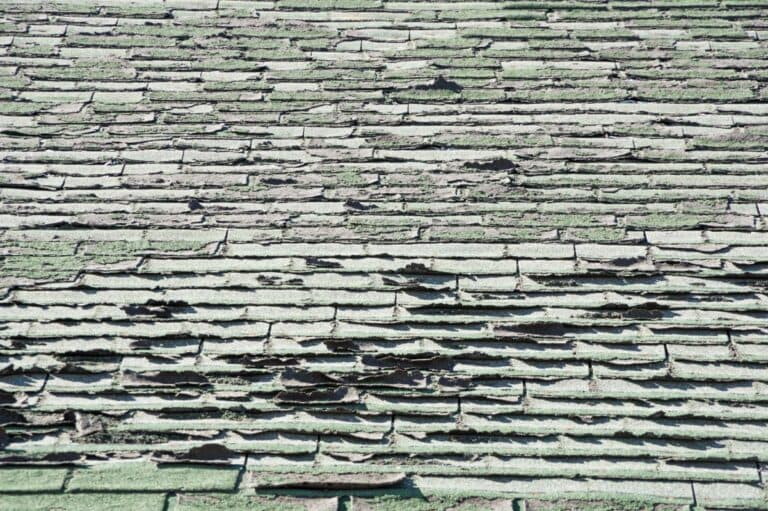
Insurance does not cover damage caused by aging or normal deterioration.
Examples include:
- Worn-out shingles
- Fading or minor cracking
- Gradual weakening over time
Poor Maintenance
Neglecting routine maintenance can lead to denied claims.
This includes:
- Ignoring minor repairs
- Allowing debris buildup
- Failing to address small leaks
Improper Installation
If your roof was not installed correctly, your insurance company may deny coverage.
This is why working with experienced professionals is so important.
Pre-Existing Roof Damage
Damage that existed before a storm event is typically not covered.
Insurance companies often investigate:
- Previous inspection reports
- Maintenance history
- Signs of long-term issues
Understanding these exclusions helps homeowners in New Philadelphia, OH and surrounding areas take proactive steps to maintain coverage eligibility.
How to Successfully File a Roof Storm Insurance Claim

Filing a claim can feel overwhelming, but following the right steps improves your chances of approval and speeds up the process.
1. Inspect Your Roof Immediately
After a storm, assess your property for visible damage.
Be sure to:
- Check for missing or damaged shingles
- Look for debris on the roof
- Inspect gutters and downspouts
2. Document Everything
Thorough documentation is one of the most important parts of a successful claim.
Capture:
- Photos of all visible damage
- Interior damage caused by leaks
- Surrounding property damage
3. Contact Your Insurance Company
Report the damage as soon as possible.
Provide:
- A detailed description of the storm
- Photos and documentation
- Dates and times of the event
4. Schedule a Professional Inspection
A qualified contractor can identify damage that may not be visible to the untrained eye.
They can:
- Provide a detailed assessment
- Help support your claim
- Communicate with your adjuster
5. Prepare for the Insurance Adjuster Visit
Your insurance company will send an adjuster to evaluate the damage.
During this process:
- Be present if possible
- Share your documentation
- Have your contractor available for support
6. Review the Settlement Offer
Once your claim is processed, review the offer carefully.
Ensure it covers:
- All necessary repairs
- Material and labor costs
- Any additional damages
Taking these steps helps homeowners in New Philadelphia, OH and surrounding areas avoid delays and maximize their claim outcomes.
Insurance Claim Process Mistakes That Can Delay or Deny Your Claim
Even with coverage, certain mistakes can cause complications during the claims process. Avoiding these issues can save time and frustration.
Delaying the Claim
Waiting too long to file can raise concerns about the cause of damage and may lead to denial.
Incomplete Documentation
Failing to provide sufficient evidence makes it harder for insurance companies to approve your claim.
Not Working with a Qualified Contractor
An inexperienced contractor may overlook critical damage or fail to provide proper documentation.
Misunderstanding Homeowners Insurance Policies
Assuming coverage without reviewing your policy can lead to unexpected out-of-pocket costs.
Accepting the First Offer Too Quickly
Initial settlement offers may not fully cover all repairs. Take time to review and ask questions.
Insurance Claim vs. Out-of-Pocket Repairs: What Should You Do?
Deciding whether to file a claim or pay for repairs yourself depends on several factors. Understanding the differences can help you make the right choice.
When Filing a Claim Makes Sense
- Damage is caused by a covered storm event
- Repair costs exceed your deductible
- There is significant structural damage
When Paying Out of Pocket May Be Better
- Damage is minor and inexpensive
- Filing a claim could increase your premiums
- The issue is not covered under your policy
Claim vs. Repair: What to Expect
| Factor | Insurance Claim | Out-of-Pocket Repair |
| Cost | Lower upfront but includes deductible | Full cost paid by homeowner |
| Timeline | Requires approval process | Faster completion |
| Coverage | Depends on policy terms | Not applicable |
| Risk | Possible premium increase | No insurance impact |
For homeowners in New Philadelphia, OH and surrounding areas, evaluating these factors carefully ensures you choose the best option for your situation.
Take Control of Your Storm Damage Claim with Confidence and Plan for a New Roof
Storm damage can be stressful, but understanding your insurance coverage puts you in control. From knowing what is covered to avoiding common mistakes, being prepared makes all the difference when filing a claim.
If you need help assessing storm damage or navigating the claims process, the team at Keim Quality Roofing is ready to assist. Their experience ensures your roof is properly evaluated and your claim is handled with care. Do not leave your home vulnerable after a storm. Contact us today to get expert guidance and reliable support from Keim Quality Roofing.