Roofing Insurance Costs Explained: Claims, Deductibles & Rates
When a storm rolls through Canton, OH and surrounding areas and leaves your roof battered, one question rises to the top fast: what is this going to cost me? Understanding roofing insurance costs before disaster strikes can mean the difference between a smooth, stress-free claim and an expensive surprise. Whether you are a first-time homeowner or have been through the process before, knowing how your policy works protects your home and your wallet. If you want to understand what goes into protecting your roof and your home, this guide breaks it all down.
Here is what you will learn in this post:
- Why roofing insurance costs vary from homeowner to homeowner
- The most common factors that affect your premiums and deductibles
- How the insurance claims process works, step by step
- What your policy typically covers and what it does not
- How to avoid common mistakes that can hurt your claim
- Tips for keeping your roofing insurance costs manageable long-term
Why Roofing Insurance Costs Matter More Than You Think
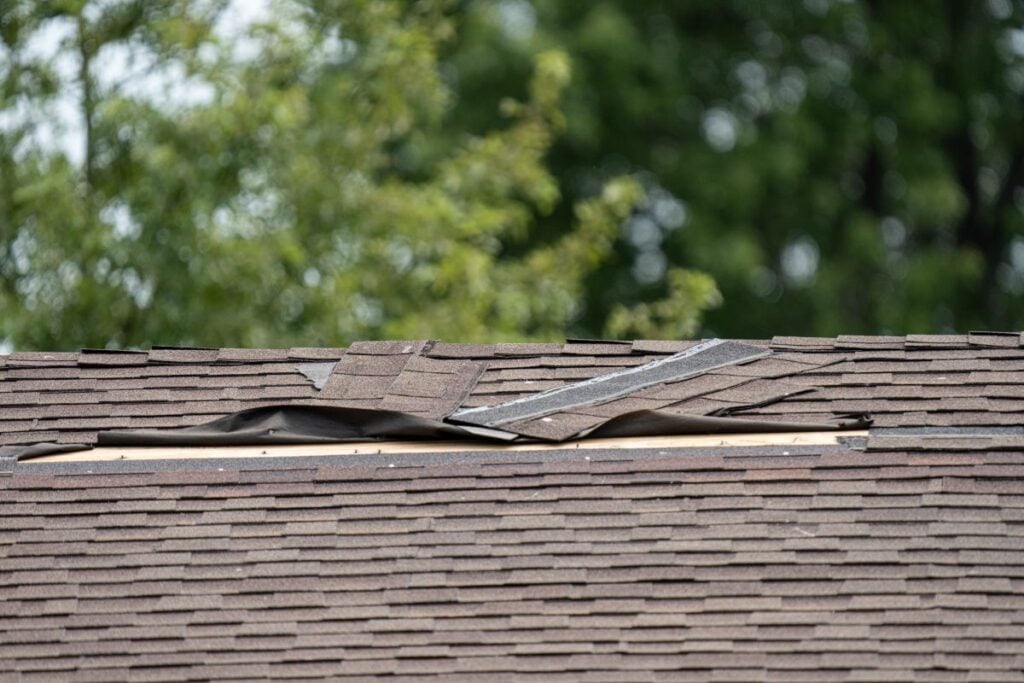
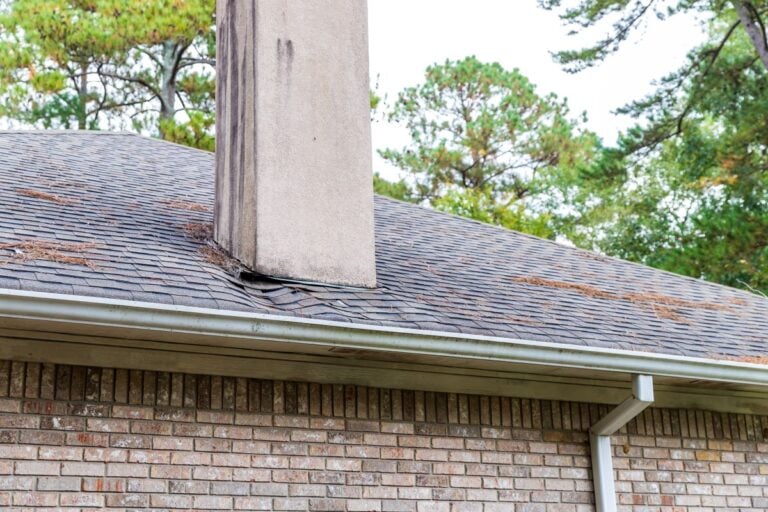
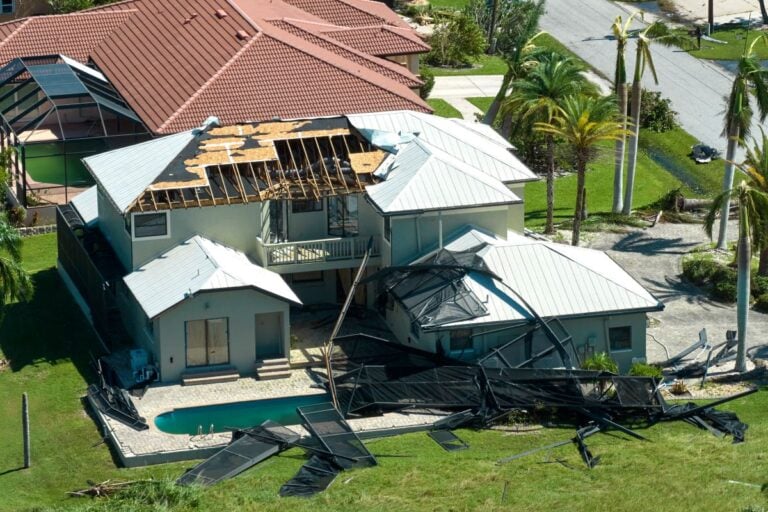
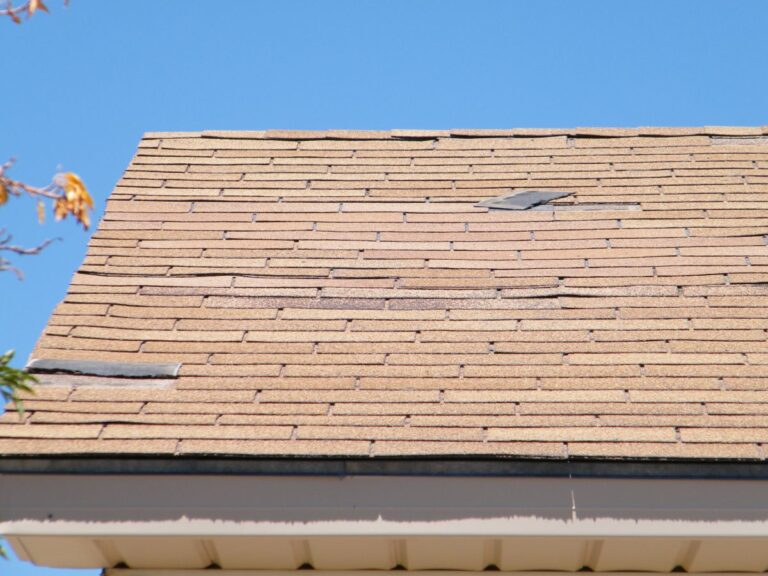
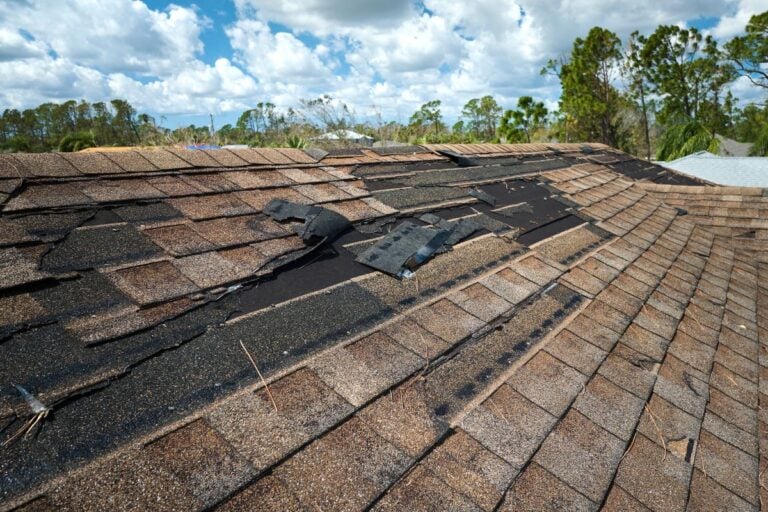
Most homeowners only start thinking about their roofing coverage after something goes wrong. By then, the pressure is on and there is little time to review policy details or shop for better rates. The reality is that roofing damage is one of the most common and costly homeowner insurance claims filed across the country each year, and Ohio homeowners in particular face regular threats from hail, ice storms, and high winds.
Being proactive about your coverage can save you thousands of dollars and hours of frustration. Here is why this topic deserves your full attention:
- Financial protection at stake: A full roof replacement can run anywhere from $8,000 to $20,000 or more depending on materials and roof size. Without the right coverage, that bill lands entirely on you.
- Premium rates are not fixed: Your roofing insurance cost is influenced by dozens of variables, and understanding them gives you the ability to make smarter decisions about your policy.
- Claims can be denied for avoidable reasons: Homeowners who do not understand their policy terms often make mistakes that lead to partial or full claim denials.
- Ohio weather demands solid coverage: Homeowners in Canton, OH and surrounding areas, and throughout Northeast Ohio deal with severe weather patterns that make comprehensive coverage especially important.
- Your roof’s condition directly affects your premiums: Insurers look at roof age, material, and maintenance history when calculating your rate. A well-maintained roof can work in your favor.
5 Key Factors That Determine Your Roofing Insurance Cost
Roofing insurance is not one-size-fits-all. Insurers evaluate a combination of property-specific and policy-level variables before assigning your premium. Understanding each one puts you in a stronger position when it comes time to review or renew your coverage.
1. Roof Age and Condition
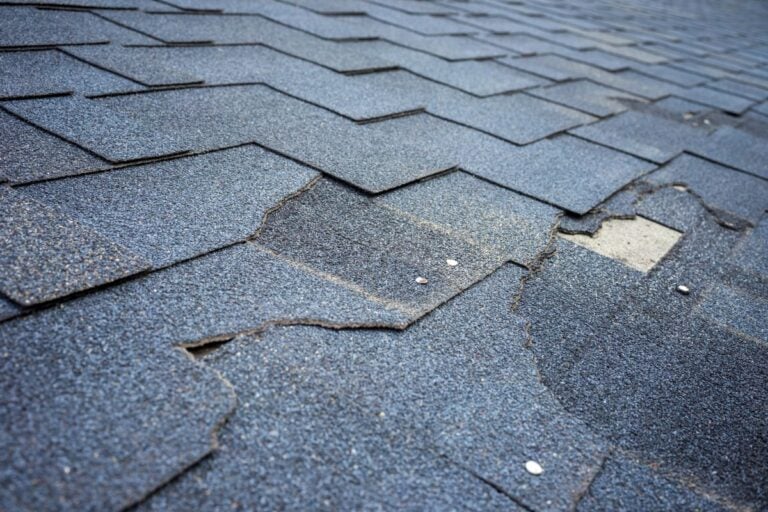
The age of your roof is one of the most significant factors an insurance company considers. An older roof, particularly one approaching or past the 20-year mark, is seen as a higher risk. Many insurers will either charge higher premiums or offer limited coverage for roofs that are aging out.
- Roofs under 10 years old typically receive the most favorable rates
- Roofs between 10 and 20 years may see moderate increases in premium
- Roofs over 20 years old may only qualify for actual cash value coverage rather than replacement cost coverage
- Regular inspections and documented maintenance history can positively influence how your insurer views your roof
2. Roofing Material
The material your roof is made of affects both durability and insurance rates. Insurers favor materials that are more resistant to wind, fire, and impact damage.
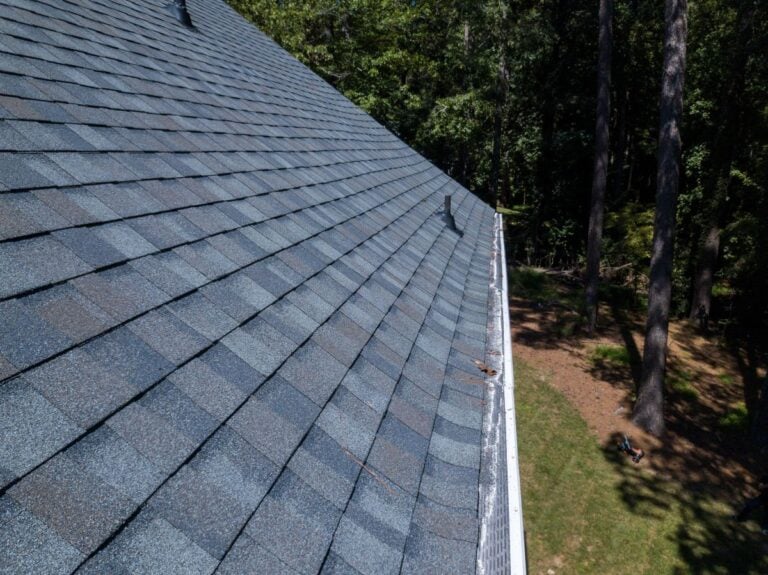
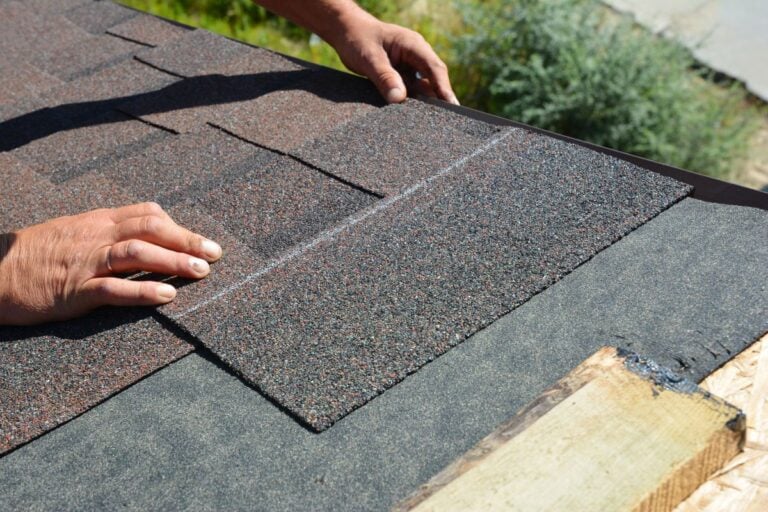
- Asphalt shingles are the most common and typically fall in the middle range of insurance cost
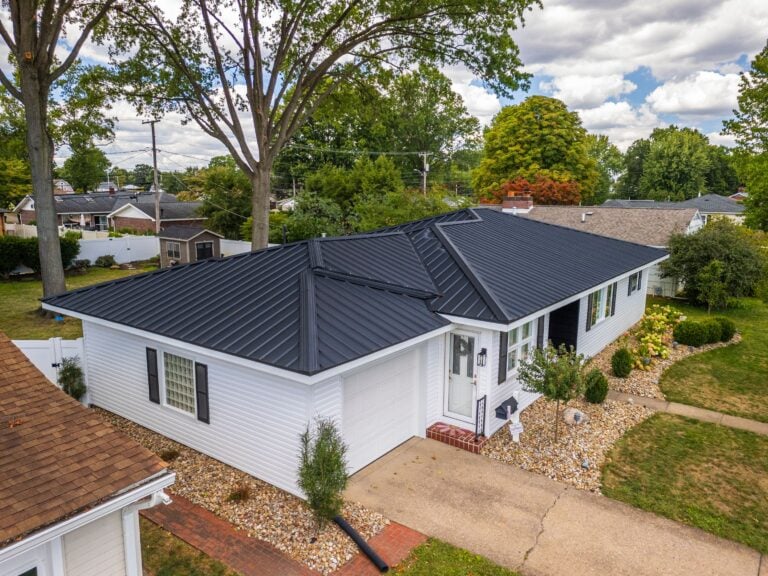
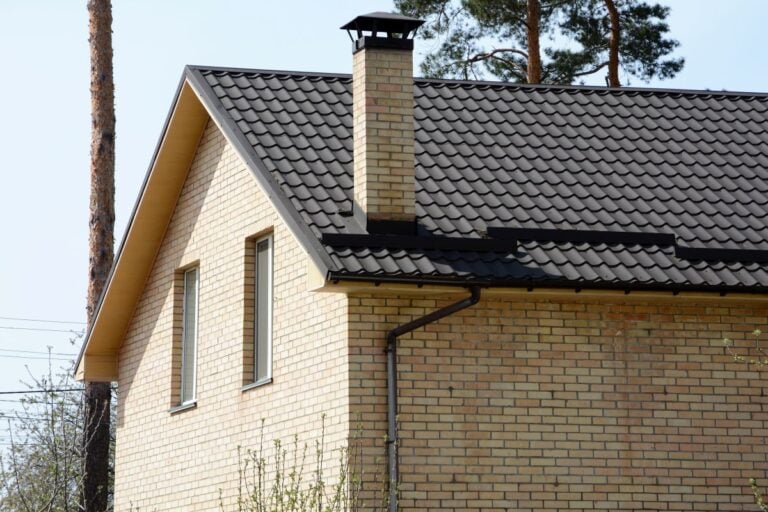
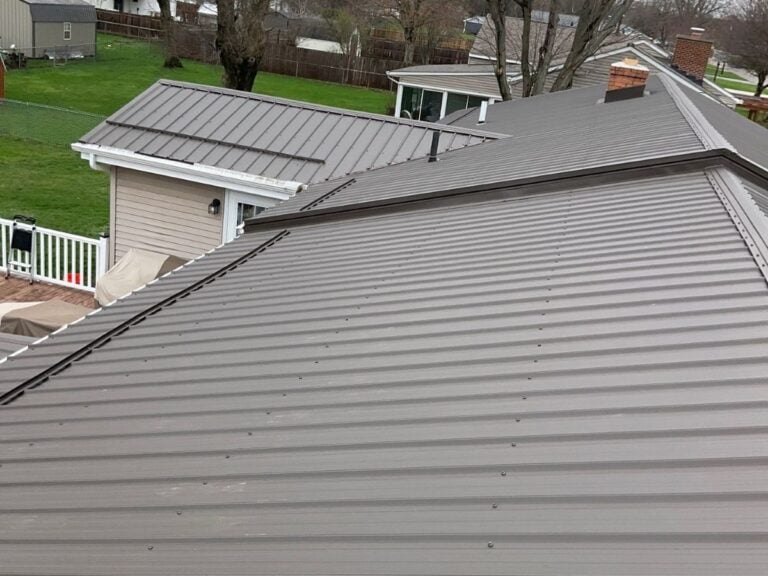
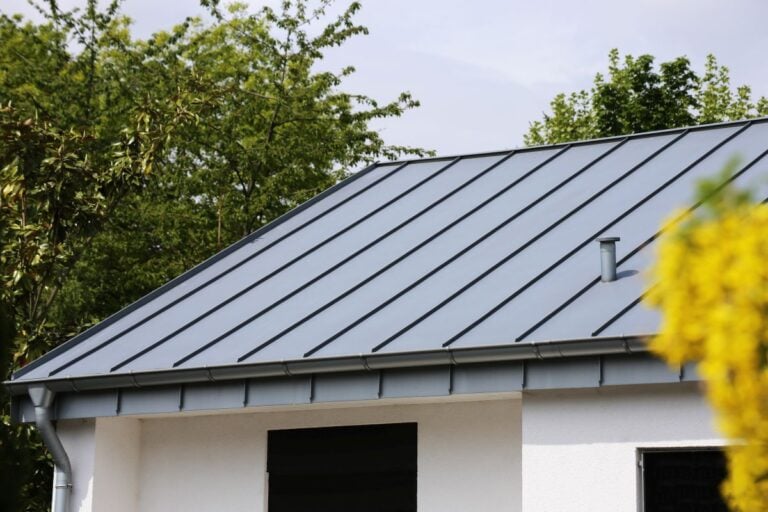
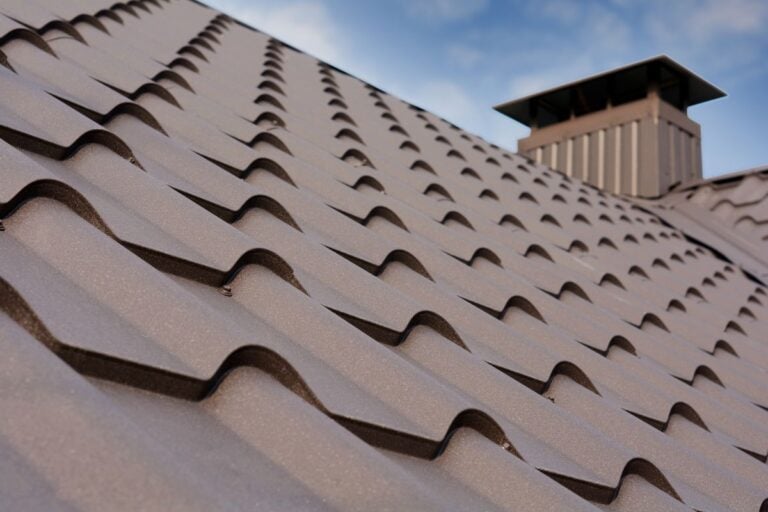
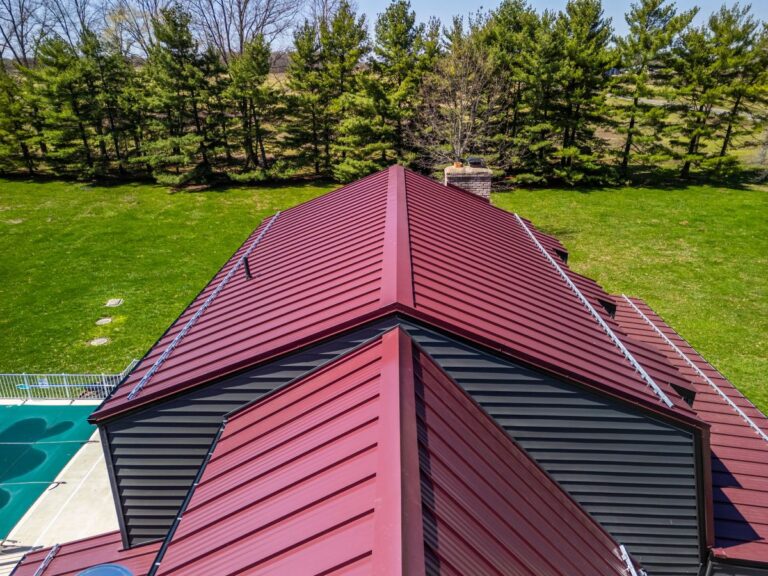
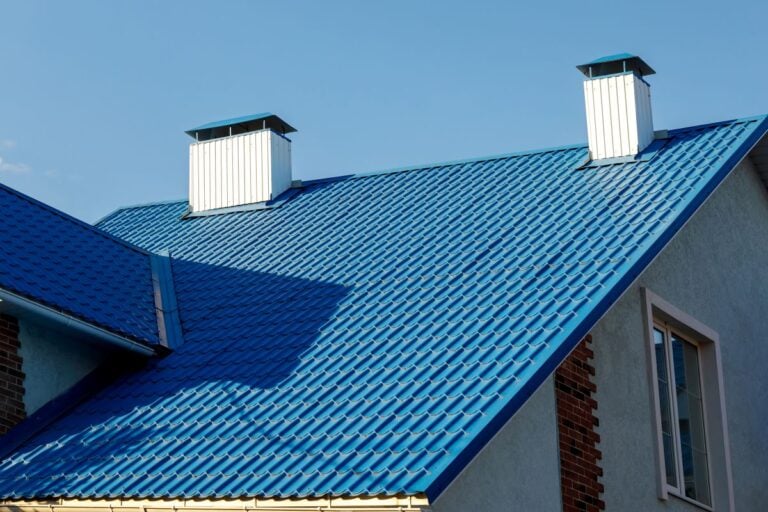
- Metal roofing is viewed favorably by many insurers because of its longevity, impact resistance, and fire rating, which can actually lower your premiums in some cases
- Wood shake roofing may raise premiums due to increased fire risk
- Slate and tile are durable but heavy, and their replacement cost affects coverage pricing
3. Deductible Type and Amount
Your deductible is the amount you pay out of pocket before your insurance coverage kicks in. Many homeowners are surprised to discover they have a separate roof or wind/hail deductible that is different from their standard deductible.
- Standard deductibles typically range from $500 to $2,500
- Wind and hail deductibles are often calculated as a percentage of your home’s insured value, commonly 1% to 5%
- A $250,000 home with a 2% hail deductible means you pay $5,000 before insurance covers anything
- Choosing a higher deductible lowers your annual premium but increases your out-of-pocket exposure during a claim
4. Your Location and Local Weather History
Insurance companies analyze geographic risk extensively. If you live in an area with a documented history of hail storms, tornadoes, or heavy snowfall, expect your rates to reflect that.
Homeowners in Canton, OH and surrounding areas sit in a region that regularly sees damaging hail events and ice storms during the winter months. That regional risk profile is baked into local insurance pricing.
- Properties in high-hail zones may carry wind/hail endorsements with higher separate deductibles
- Proximity to fire stations and hydrants can affect rates in some cases
- Homes in low-lying or flood-prone areas may need additional coverage beyond a standard homeowner’s policy
5. Coverage Type: Replacement Cost vs. Actual Cash Value
This distinction alone can change your claim outcome dramatically.
- Replacement Cost Value (RCV): Pays to replace your damaged roof with a new one of similar kind and quality at today’s prices, minus your deductible. This is the most comprehensive option.
- Actual Cash Value (ACV): Pays the depreciated value of your roof at the time of loss. If your 15-year-old roof is damaged, you will only receive what it is worth today, not what it costs to replace it.
Reviewing which type of coverage you carry before you ever need to file a claim is one of the smartest things you can do as a homeowner.
How the Roof Insurance Claims Process Works
Filing a roofing insurance claim does not have to be overwhelming, but it does require attention to detail. Many claims run into trouble not because of the damage itself but because of how the process was handled. Here is what to expect from start to finish.
Step 1: Document the Damage Immediately
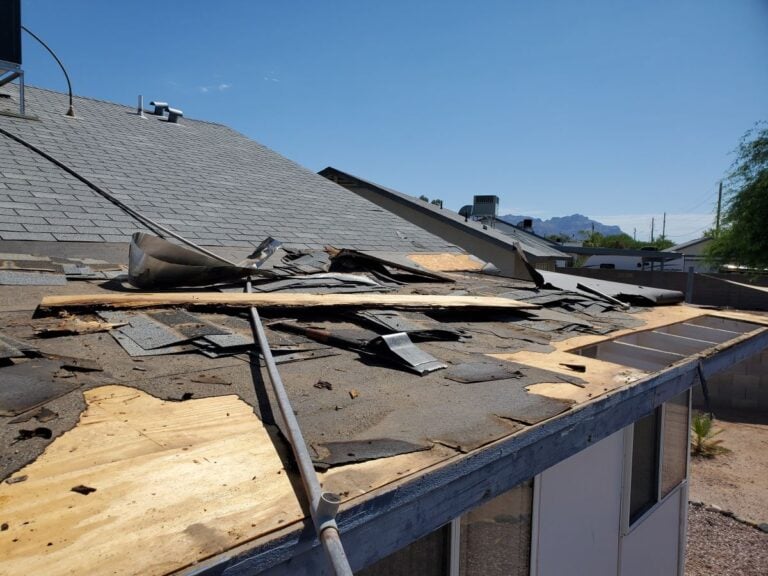
As soon as it is safe to do so, photograph and video every area of visible damage. Cover interior damage, exterior damage, gutters, downspouts, and any personal property affected. Timestamps and detailed notes strengthen your case.
Step 2: Review Your Policy Before Calling
Before you contact your insurer, pull out your homeowner’s policy and review your coverage limits, deductibles, and any exclusions. Know what you are working with going into the conversation.
Step 3: Schedule a Professional Roof Inspection
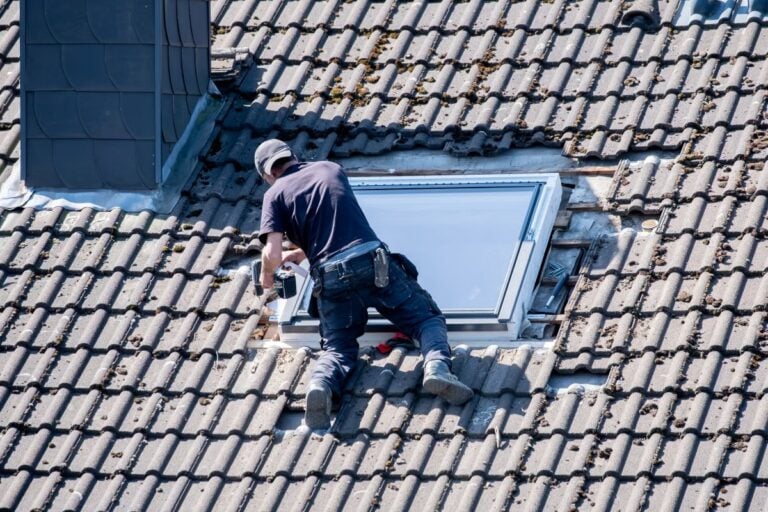
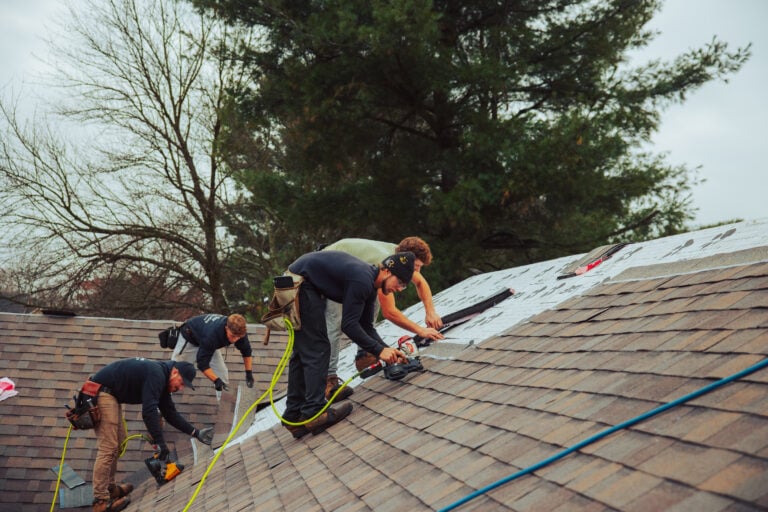
An experienced roofing contractor can provide a detailed inspection report that documents all damage clearly. This report becomes a key piece of evidence during the claims process. In Canton, OH and surrounding areas, having a trusted local roofer in your corner before the adjuster arrives can make a real difference in how your claim is evaluated.
Step 4: File Your Claim Promptly
Most insurance policies require you to report damage within a specific timeframe. Do not delay. File your claim with as much documentation as possible, including the contractor’s inspection report.
Step 5: Confirm Workers Compensation Insurance Before the Adjuster Arrives
Your insurer will send an adjuster to assess the damage. You have every right to have your roofing contractor present during this inspection, but make sure that contractor carries workers compensation insurance before they set foot on your roof. If an uninsured worker is injured on your property during the assessment, the financial and legal consequences could fall on you. A knowledgeable, properly insured contractor can point out damage that an adjuster might overlook and advocate for a complete and accurate assessment.
Step 6: Review the Settlement Offer
Once the adjuster files their report, your insurer will issue a settlement offer. Review it carefully alongside your contractor’s estimate. If the numbers do not align, you have the right to dispute the offer or request a re-inspection.
Step 7: Complete the Repairs
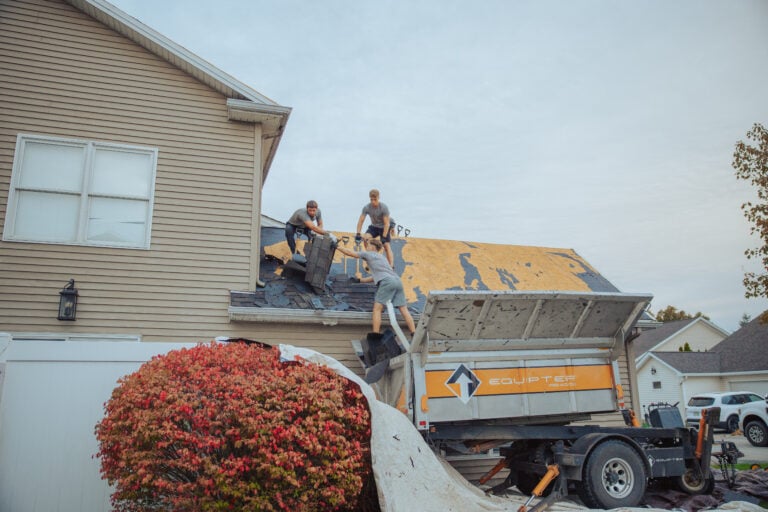
Once the claim is approved, work with your roofing contractor to schedule the repair or replacement. Keep all receipts and documentation, as some RCV policies require proof of completed work before releasing the full replacement cost funds.
What Roofing Insurance and General Liability Typically Cover and What They Do Not
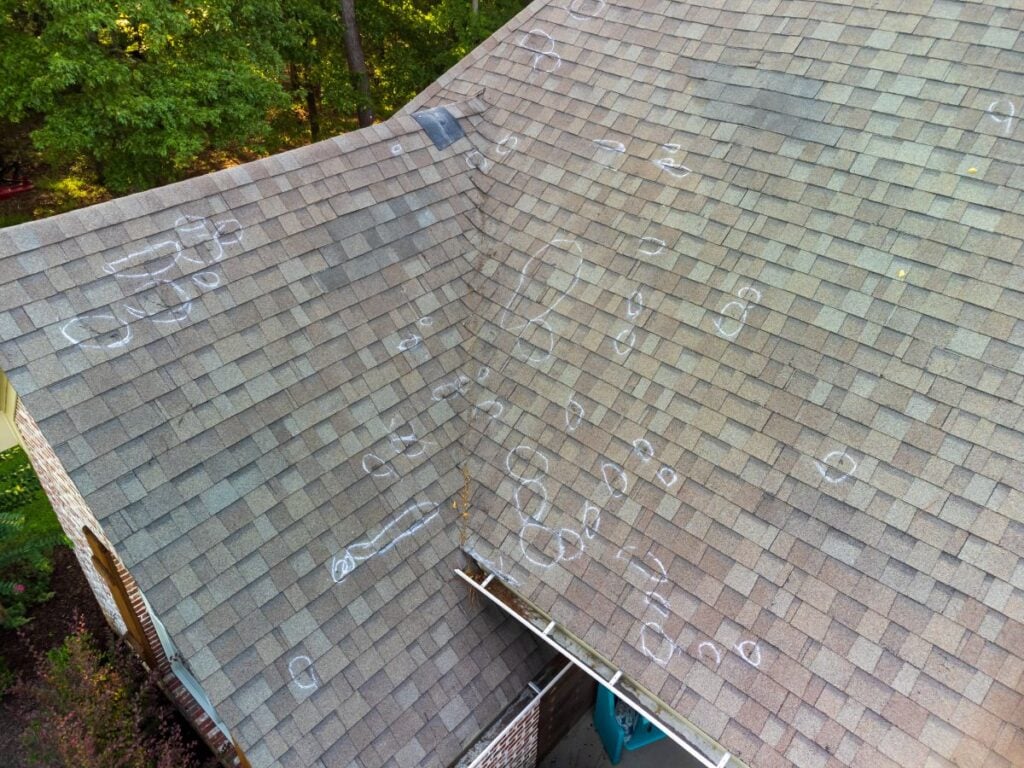
One of the most common sources of confusion for homeowners is the gap between what they expect their policy to cover and what it actually does. Understanding these distinctions ahead of time helps you plan better and avoid surprises during a claim.
What Is Usually Covered
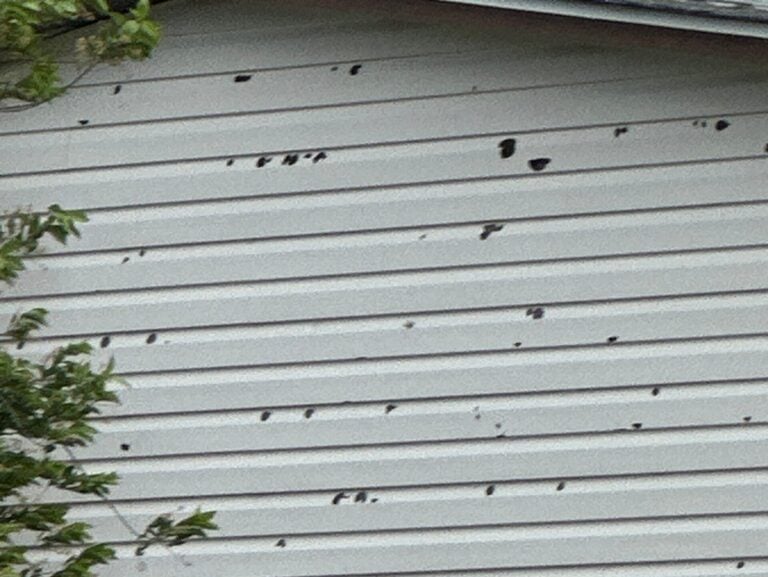
- Storm damage: Wind, hail, and lightning damage are covered under most standard homeowner policies
- Falling objects: Tree limbs, debris, and other objects that cause sudden damage are typically included
- Fire damage: Most policies cover roof damage resulting from fire or smoke
- Vandalism: Intentional damage by others is generally a covered peril
What Is Usually Not Covered
- Normal wear and tear: Insurance is not a maintenance plan. Gradual deterioration from aging is excluded.
- Neglected repairs: If damage worsens because a known issue was left unaddressed, insurers may deny the expanded claim
- Improper installation: Damage resulting from faulty workmanship is not a covered loss under most policies
- Cosmetic damage only: Some policies exclude coverage when damage is purely cosmetic with no functional impact
Understanding these exclusions also makes clear why working with a qualified, licensed roofing contractor matters so much. Proper installation and regular maintenance protect not only your roof but also your ability to make a successful insurance claim down the road.
Understanding General Liability vs. Homeowner’s Coverage
Many homeowners assume their policy covers everything related to their roof, but general liability works differently than a standard homeowner’s insurance policy. General liability coverage protects against third-party claims for bodily injury or property damage, and it is actually your roofing contractor’s responsibility to carry it, not yours. When hiring a contractor, always verify they carry general liability insurance before work begins. If a worker is injured on your property or nearby property is accidentally damaged during the job, your contractor’s general liability policy is what steps in to cover those costs, keeping you protected from out-of-pocket liability.
Why Business Insurance Is the Foundation of Every Trustworthy Roofing Contractor
A trustworthy roofing contractor does not carry just one policy. General liability, equipment coverage, professional liability, and workers compensation together make up a contractor’s business insurance, and each one exists for a reason. Contractors who carry all of it are telling you something important about how seriously they take their trade and your home.
Tips for Managing and Reducing Your Roofing Insurance Costs

There are real, practical ways to influence what you pay for roofing insurance over time. A little proactive effort goes a long way.
Schedule annual roof inspections. Documented inspections show your insurer that your roof is well-maintained, and they help catch small problems before they turn into costly ones. Many homeowners in Canton, OH and surrounding areas benefit from having an inspection done each spring to assess any winter damage.
Invest in impact-resistant roofing materials. Class 3 and Class 4 impact-resistant shingles or metal roofing systems can qualify you for premium discounts with many insurance carriers. The upfront investment often pays for itself through years of reduced premiums.
Bundle your policies. Many insurers offer discounts when you carry multiple policies with them. Bundling your homeowner’s and auto insurance is a simple way to reduce your overall rates.
Review your coverage limits annually. As construction costs rise, the cost to replace your roof increases too. Reviewing your policy each year ensures you are not underinsured, which could leave you short if you ever need to file a claim.
Work with a reputable, licensed contractor. Insurance companies look unfavorably on work completed by unlicensed contractors. Using a trusted local professional protects your coverage and ensures the work meets manufacturer and code standards.
Raise your deductible thoughtfully. If you have savings available to cover a higher out-of-pocket expense, raising your deductible can meaningfully lower your annual premium. Just make sure you actually have that amount accessible before making the change.
Ask Your Roofing Business Contractor If They Carry Equipment Coverage and a Business Owner’s Policy. A business owner’s policy, commonly referred to as a BOP, is a bundled insurance package that combines general liability, equipment coverage, and property protection into a single plan designed for small to mid-sized businesses. For homeowners, knowing whether your roofing contractor carries a business owner’s policy is one of the quickest ways to gauge how seriously they take their professional responsibilities.
Get the Roofing Support You Need Before and After a Claim
Your roof is one of the largest investments protecting your home, and navigating roofing insurance costs should not be something you have to figure out alone. Whether you are trying to understand your current coverage, dealing with recent storm damage, or preparing for the claims process, having a knowledgeable roofing contractor on your side makes every step easier.
At Keim Quality Roofing, we work alongside homeowners throughout Canton, OH and surrounding areas to provide honest inspections, clear documentation, and real support through the insurance process. We do not believe in pressure tactics or guesswork. We believe in showing you exactly what is going on with your roof, helping you understand your options, and making sure you have everything you need to move forward with confidence.
If your roof has recently been damaged or you simply want an expert set of eyes on it before storm season arrives, contact us today and let the Keim Quality Roofing team put their experience to work for you.