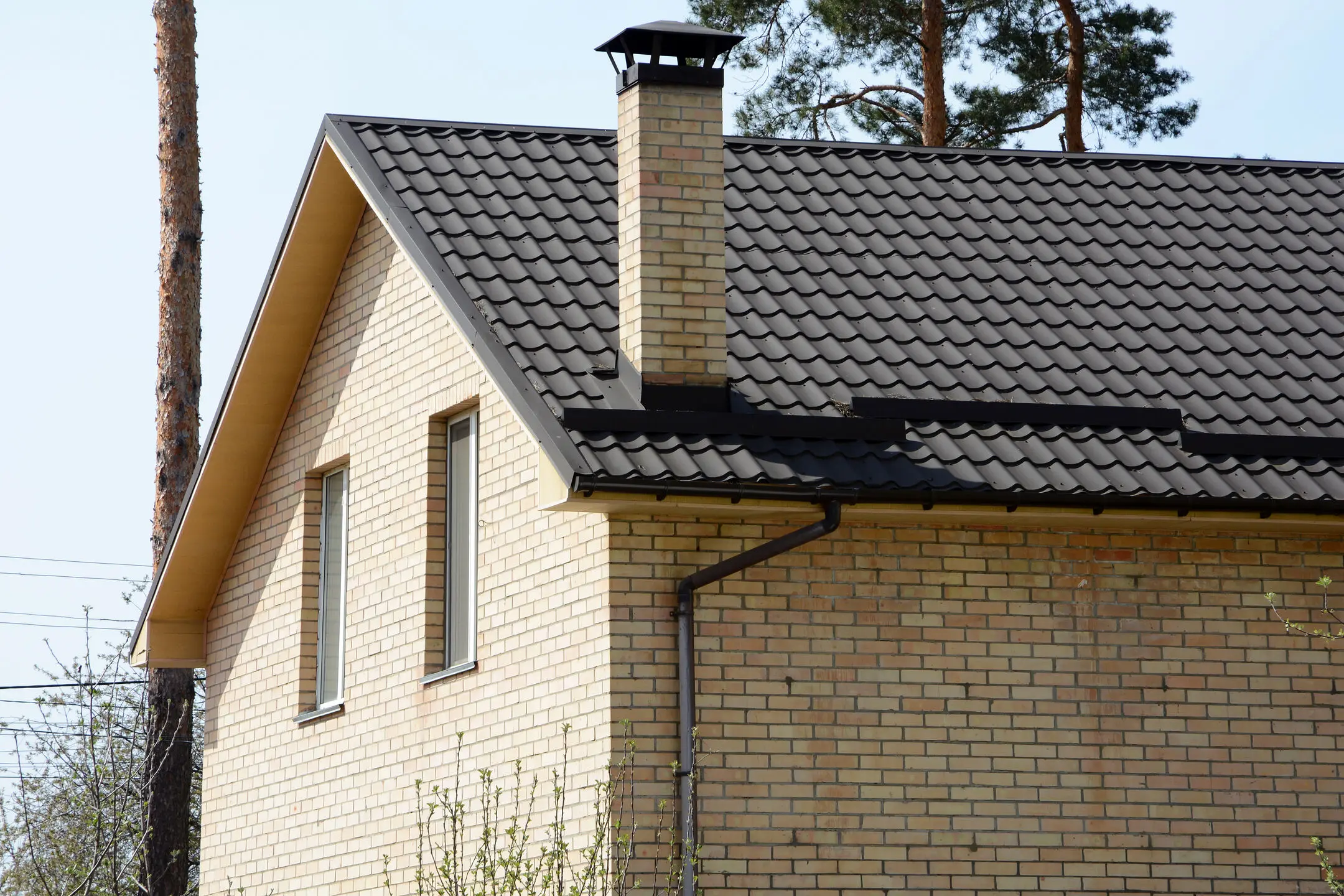
Do You Need Snow Guards for Your Metal Roof? (6 Pros & Cons)
Metal roofs shed snow quickly, which is usually a benefit until a full sheet of it slides off above your front door. Whether you need snow guards for metal roof protection depends on your roof pitch, what sits beneath the eaves, and how heavy winter snowfall gets where you live. Getting it right protects people, gutters, and landscaping. Getting it wrong can mean a dangerous and expensive surprise. If you want to see how a complete roofing system is designed to handle winter weather, this guide covers what to weigh.
Here is what you will learn in this post:
- Why snow behaves differently on a metal roof than on shingles
- 6 pros and cons of installing snow guards
- The main types of snow guards and which roofs they suit
- How to decide whether your home actually needs them
- What a proper installation involves and what can go wrong
- How snow guards fit into a long-term winter maintenance plan
Why Snow Behaves Differently on a Metal Roof
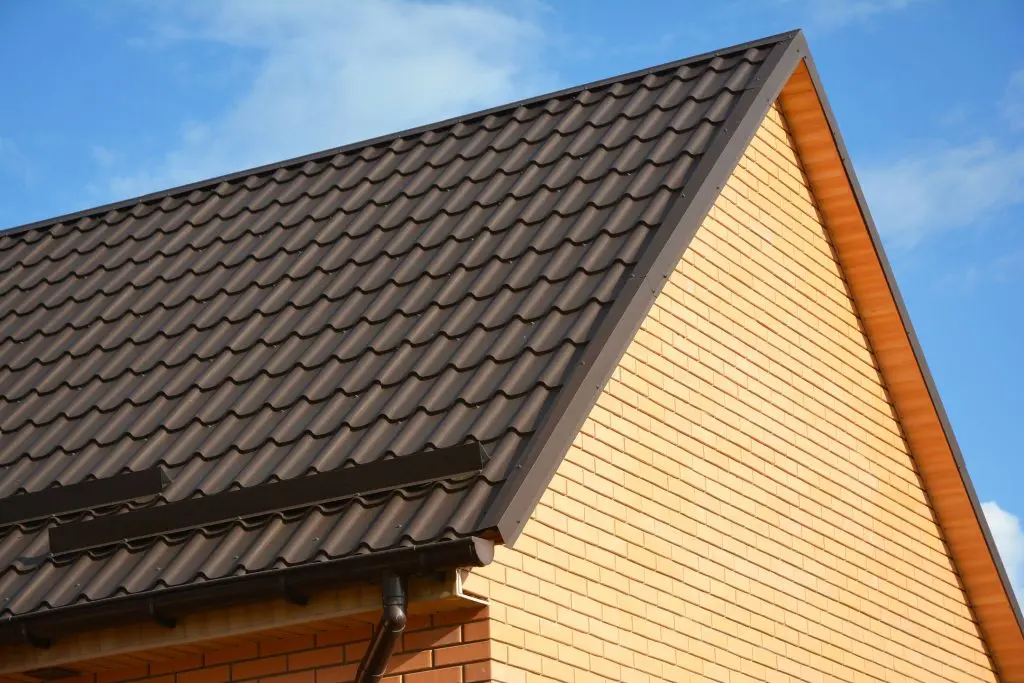
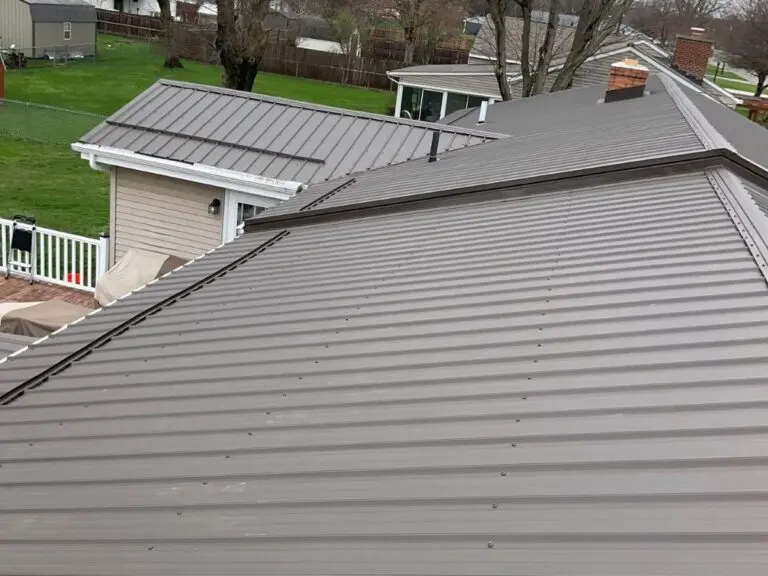
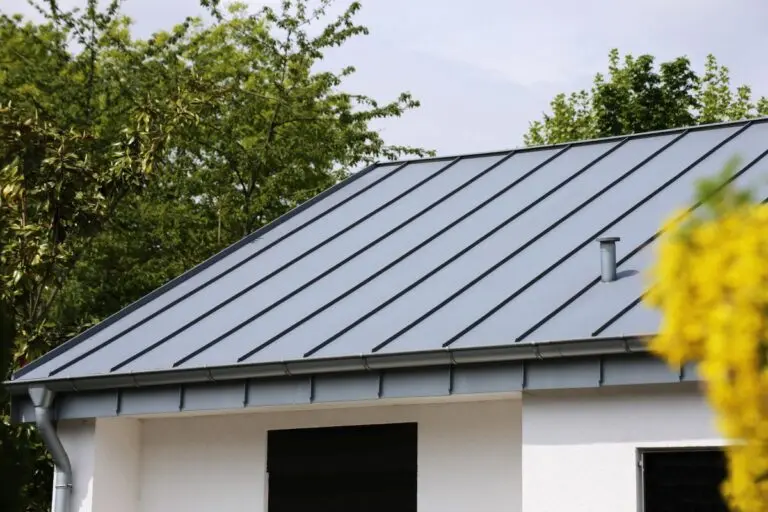
Asphalt shingles are textured, so snow grips the surface and tends to melt and release a little at a time. Metal panels are smooth and slick, and a layer of meltwater forms between the snow and the panel as soon as the roof warms. When that happens, the whole snowpack can let go at once.
For homeowners in Strasburg, OH and surrounding areas, winters bring repeated snowfall, freezing nights, and bright afternoons that warm dark metal quickly. That combination is exactly what triggers sudden slides. Understanding what a slide can do is the first step in deciding whether protection makes sense for your home. Here is why this topic deserves a closer look before winter:
- Slides release a lot of weight fast: A roof full of packed snow and ice can drop hundreds of pounds in a few seconds, with force that surprises most homeowners.
- People and pets are at risk: Entryways, walkways, driveways, and patios under an eave are the most common places for injuries from falling snow and ice.
- Property below takes the hit: Gutters, lower roof sections, vents, satellite dishes, air conditioning units, and landscaping can all be damaged by a sudden slide.
- Gutters are not built for the load: Standard gutters are designed to carry water, not sliding snow, and a heavy slide can bend or tear them away from the fascia.
- The risk is easy to overlook: Many homeowners do not think about snow behavior until the first slide happens, often after a metal roof is installed on a home that previously had shingles.
6 Pros and Cons of Snow Guards for Metal Roof Homes
Snow guards are small devices attached to the roof surface that hold snow in place so it melts and releases gradually instead of sliding in one mass. They solve a real problem, but they also come with tradeoffs. The six points below give a balanced view so you can decide what fits your home.
1. Pro: They Protect People and Pets
The strongest argument for snow guards is safety. By breaking up the snowpack and holding it on the roof, they reduce the chance of a heavy slide landing on someone near a door, walkway, or driveway.
- Most valuable above main entries, garage doors, and frequently used paths
- Especially important for homes where children, pets, or visitors regularly pass beneath the eaves
- A practical consideration for homes with a customer or delivery entrance
2. Pro: They Protect Gutters and Property Below
Snow guards also protect everything that sits under the roofline. Gutters, downspouts, lower roofs, outdoor equipment, and landscaping are all vulnerable to a sudden release.
In Strasburg, OH and surrounding areas, a single hard slide can bend a gutter run or crush shrubs along a foundation. Replacing those items every few winters adds up, and guards are often cheaper than repeated repairs.
- Shields lower roof sections that were not designed to take impact loads
- Protects vents, skylights, and mechanical equipment mounted below a roof edge
- Reduces the chance of damage to parked vehicles beneath the eaves
3. Pro: They Make Snow Melt Off Gradually
Rather than preventing snow from leaving the roof entirely, guards control how it leaves. The snow melts and releases in smaller amounts, which is easier on gutters, landscaping, and the people nearby.
This gradual release is the real function of the product. Guards are not meant to hold every pound of snow on the roof for the whole winter.
- Breaks a single large slide into many small releases
- Works best when the layout is matched to the roof pitch and panel length
- Reduces the sudden drop that causes most of the damage
4. Con: They Add Cost to the Project
Snow guards are an added expense on top of the roof itself. The price depends on the number of rows, the length of the eaves, the style of guard, and whether they are installed during the roof project or added later.
Cost is usually modest compared to the total price of a metal roof, but it is not zero. Getting a layout-based quote, rather than a guess, helps you plan.
- Installing guards during the roof project is typically easier and less expensive than adding them later
- Higher snow load areas often need more rows, which raises the cost
- A cheap, undersized layout can fail and defeat the purpose of the purchase
5. Con: They Change the Look of the Roof
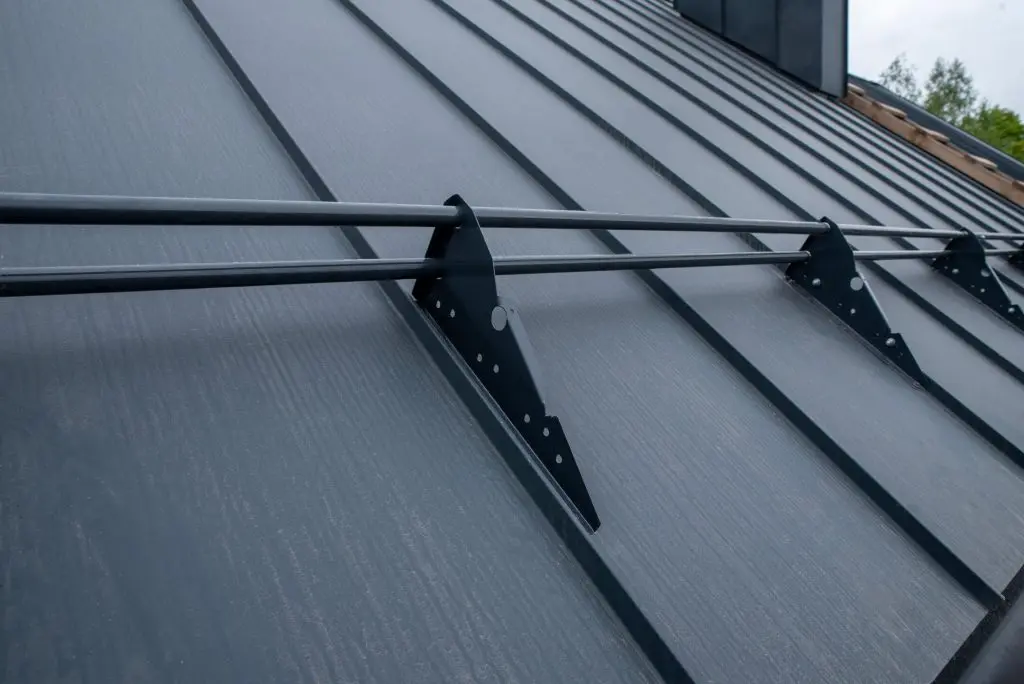
Some homeowners choose metal for its clean, uninterrupted lines, and snow guards add visible hardware to the surface. The effect varies by style, color, and placement.
Pad-style guards can be finished to blend with the panel color, while bar or rail systems are more noticeable. If appearance matters, ask to see the style on an installed roof before you decide.
- Color-matched guards are less noticeable from the street
- Rail systems are more visible but can look deliberate on some architectural styles
- Placement near the eave, where you want protection most, is also where they are most visible
6. Con: Retained Snow Adds Load and Requires Correct Installation
When guards hold snow on the roof, that snow adds weight and stays in place longer. A properly engineered layout accounts for this, but an improvised or undersized one can overload the guards or the roof structure.
Improper installation can also create problems of its own, including leaks at fasteners on exposed fastener systems and damage to the panel finish. Some metal roofing warranties address attachments, so confirm with the manufacturer before installing.
- Guards should be matched to the roof’s snow load, pitch, and panel design
- Fastened guards on exposed fastener roofs need correct sealing to avoid leaks
- Clamp-on guards for standing seam roofs are generally designed not to penetrate the panel
Types of Snow Guards and Which Roofs They Suit
Not every snow guard works on every metal roof. The right style depends on the panel type, the expected snow load, and the look you want. Understanding the main categories helps you ask better questions when you compare quotes.
- Adhesive pad guards: Small pads bonded to the panel surface with a specialized adhesive. They avoid penetrations and are a common choice for lighter snow loads, though they depend on proper surface preparation and cure conditions.
- Clamp-on guards for standing seam: Devices that grip the raised seam with set screws, so no holes are made in the roof surface. They are widely used on standing seam roofs and can carry significant loads when spaced correctly.
- Fastened guards for exposed fastener panels: Guards screwed through the panel into the structure. They hold well but require careful sealing at every penetration to prevent leaks.
- Bar and rail systems: Continuous bars that run across the roof in rows. They offer strong snow retention and suit heavier snow regions, though they are more visible.
- Pipe-style systems: Rows of pipe supported by brackets, often used on larger or commercial roofs where heavy snow retention is needed.
Do You Actually Need Snow Guards? A Decision Guide
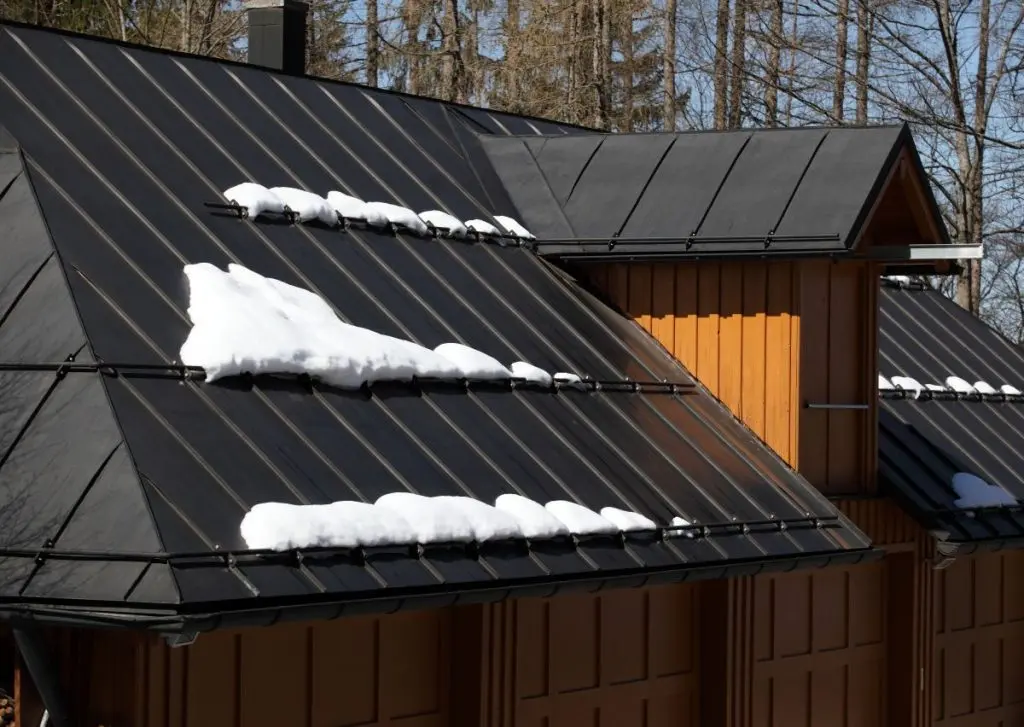
Not every metal roof needs snow guards. The decision comes down to what sits beneath the roof edge, how steep the pitch is, and how much snow your area receives. A quick review of those factors usually gives a clear answer.
Situations Where Snow Guards Are Strongly Recommended
| Situation | Why It Matters | Recommendation |
| Entry door or walkway under the eave | Direct injury risk from falling snow | Strongly recommended |
| Lower roof or porch beneath a higher roof | Impact damage to the lower roof | Strongly recommended |
| Steep pitch with smooth panels | Snow releases quickly and in large masses | Recommended |
| Gutters, vents, or equipment below the eave | Property damage from slides | Recommended |
| Low pitch with open yard below | Lower risk of injury or damage | Often optional |
When You May Be Able to Skip Them
Homes with a low pitch, a wide open yard under the eaves, and nothing valuable below the roof edge may not need guards. Even then, it is worth checking your local building requirements, since some jurisdictions and snow regions address snow retention in their codes.
How to Make the Call
In Strasburg, OH and surrounding areas, the practical approach is to walk the perimeter of your home and note everything beneath the eaves. If a person, vehicle, or valuable item could be in the path of a slide, protection is worth discussing. A roofer can then recommend a layout matched to your specific roof rather than a generic one.
Protect What Sits Beneath Your Roofline This Winter
Snow guards are a simple addition that solves a specific problem. They will not suit every roof, but on homes where a slide could injure someone or damage property, they are one of the most practical upgrades a metal roof owner can make. The best results come from a layout that matches your roof, installed correctly the first time.
At Keim Quality Roofing, we help homeowners throughout Strasburg, OH and surrounding areas decide whether snow guards make sense for their metal roof and install them correctly when they do. We look at your pitch, your panel type, and what sits below the eaves, then recommend only what your home needs. If you want a clear answer before winter arrives, contact us today and let Keim Quality Roofing walk you through your options.