Emergency Roof Repair: 7 Steps to Take Before Help Arrives
A severe storm does not give homeowners time to plan. One hour you are watching rain hit the windows, and the next you are looking at a ceiling stain spreading toward the light fixture or water actively dripping onto the floor. Knowing what to do in those first minutes and hours before a professional arrives is the difference between a contained situation and one that compounds into something significantly more costly. Emergency roof repair starts with the decisions you make before a contractor ever shows up. If you want to understand what responsible roof care looks like in both urgent and routine situations, the steps below are where that knowledge is most valuable.
Here is what you will learn in this post:
- What qualifies as a roofing emergency and how to assess the severity
- 7 immediate steps to take to protect your home before a contractor arrives
- Which temporary repairs are safe for homeowners to attempt and which are not
- How to document damage effectively for an insurance claim
- What to tell a roofing contractor when you call so you get prioritized correctly
- How to avoid common mistakes that make emergency situations worse
What Roofing Emergencies Look Like and Why the First Hours Matter
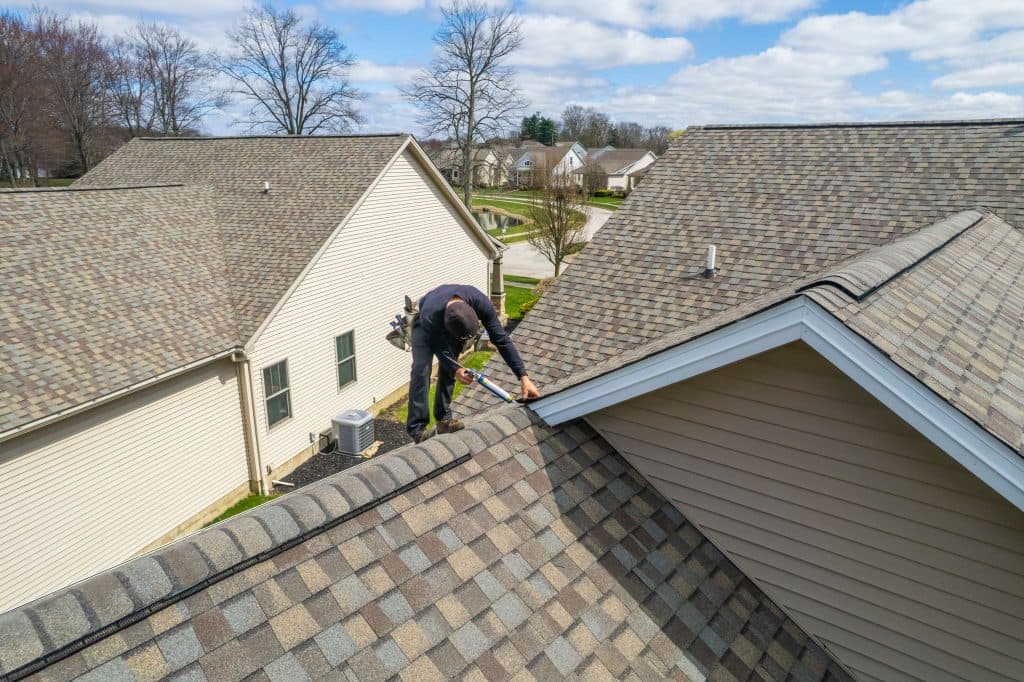
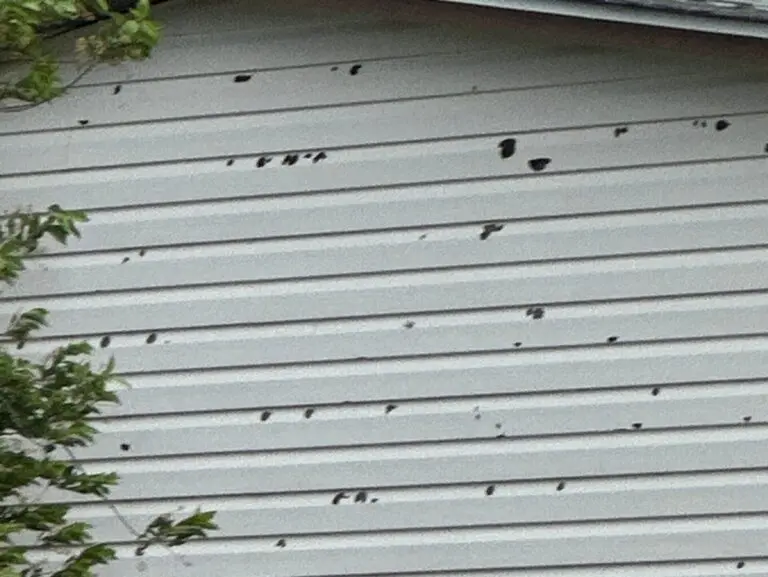
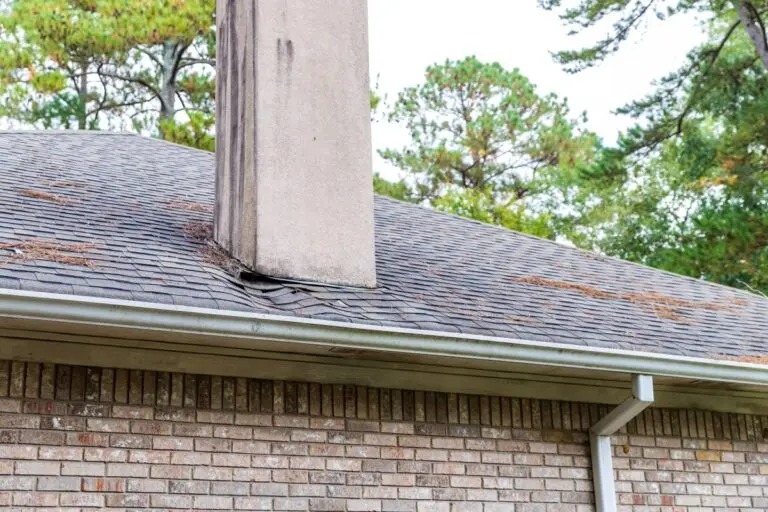
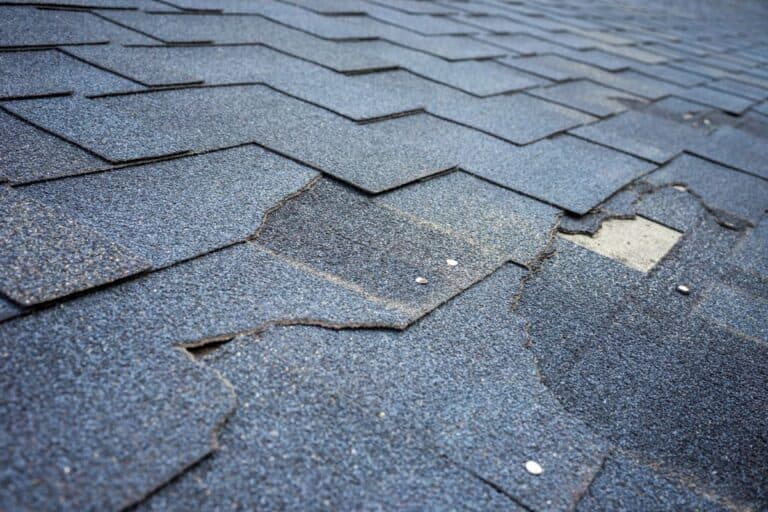
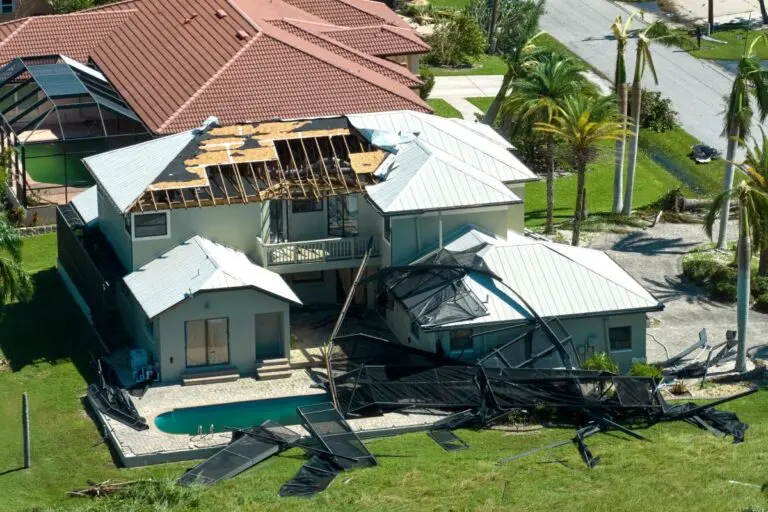
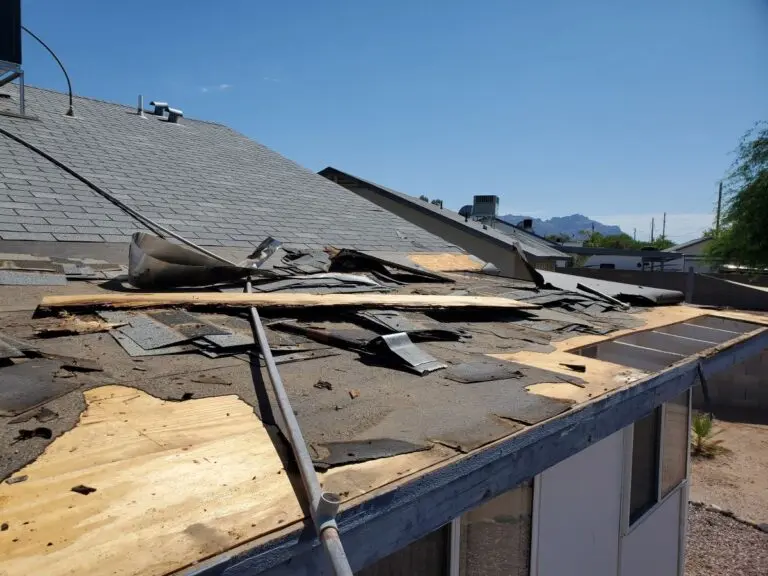
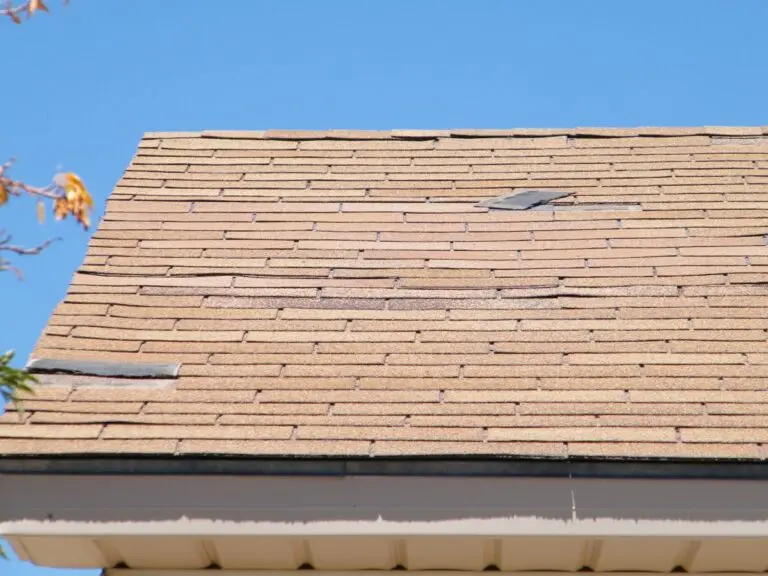
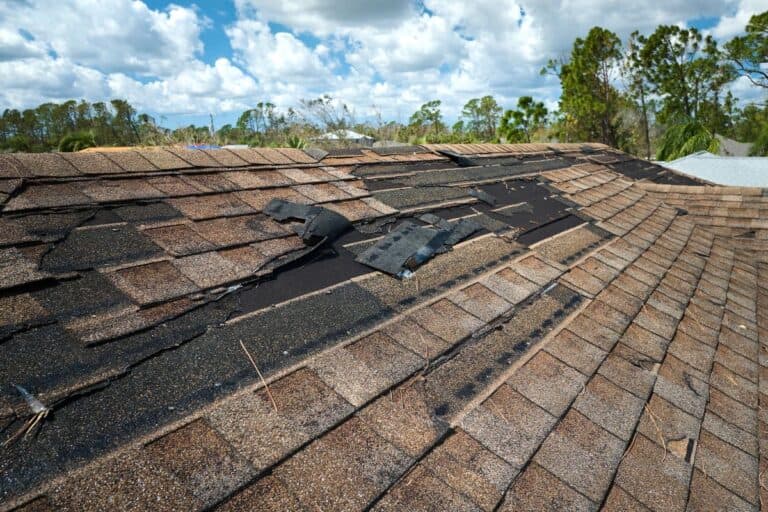
A roofing emergency is any situation where active water infiltration, structural compromise, or major exposure of the roof deck is occurring or at immediate risk of occurring. That definition covers a wide range of scenarios: a tree limb through the roof, wind that has lifted entire shingle sections, a chimney collapse, significant hail damage that has opened the roof membrane in multiple locations, or ice dam water that is actively entering the home.
What all these situations share is that every hour between the damage event and effective protection matters. Water that enters the roof deck saturates wood quickly, and saturated wood begins to degrade, support mold growth, and lose structural integrity in a timeline measured in days rather than weeks. For homeowners in Navarre, OH and surrounding areas, where severe spring storms and winter ice events can both produce emergency roof damage, knowing how to respond in those first hours is a form of preparedness that pays off when conditions are worst. Here is why the initial response is so consequential:
- Water damage compounds faster than most homeowners expect: A roof breach that admits water during a single rain event can saturate insulation, begin degrading the deck, and introduce enough moisture for mold to establish within 24 to 48 hours under the right conditions.
- The damage path is often hidden: Water entering through a roof breach does not fall straight down to the floor. It follows framing, insulation, and ceiling materials, surfacing at a point that may be well away from the actual entry point and making the eventual scope of damage larger than it first appears.
- Insurance claims benefit from immediate documentation: Most homeowner’s policies require prompt reporting of covered damage. The documentation you capture in the first hours, before any cleanup or temporary repair has altered the scene, is the most valuable evidence for a claim.
- Temporary protection prevents secondary damage: A tarp or emergency cover applied correctly over a roof breach stops additional water from entering during subsequent rain events while professional repairs are scheduled and completed.
- Storm chasers target active emergency situations: Contractors who canvas neighborhoods after storms offering immediate repairs are not always operating in your interest. Having a trusted contractor you can call, or knowing how to evaluate an unfamiliar one quickly, protects you from poor work done under pressure.
7 Steps to Take Before Emergency Roof Repair Help Arrives
These steps are organized in the order that matters most under actual emergency conditions. Not every situation will require every step, but working through this sequence in order ensures that the most urgent priorities are addressed first.
1. Prioritize Safety Above Every Other Consideration
Before you assess damage, before you take photographs, and before you attempt any temporary repair, confirm that the situation is safe for anyone in the home. This means checking for structural compromise that could present collapse risk, electrical hazards from water contact with wiring or fixtures, and gas line concerns if a tree or falling object has impacted the structure.
- If you smell gas, leave the home immediately and call your gas utility from outside
- If you see sparking or hear electrical sounds associated with water infiltration, do not attempt to address the roof or the leak until an electrician has cleared the electrical system
- Any situation involving significant structural movement, cracking sounds from the ceiling, or visibly sagging areas overhead should be treated as a potential structural emergency and handled by vacating the affected area rather than attempting to assess from below
2. Contain Active Water Infiltration Inside the Home
Once safety is confirmed, the immediate interior priority is stopping water from spreading across floors, ceilings, and into walls. This requires a few basic materials that every homeowner should have accessible: buckets, plastic sheeting, towels, and a utility knife or scissors.
Place buckets or containers under active drip points to catch water and prevent pooling on floors. Lay plastic sheeting across floor areas and over furniture that is at risk. If water is spreading across a ceiling, a small hole at the lowest point of a visibly bulging ceiling area releases the pooled water in a controlled location rather than allowing the ceiling material to collapse under the weight.
- Move valuables, electronics, and irreplaceable items away from the affected area immediately
- Use towels or absorbent materials to create barriers that prevent water from spreading to adjacent rooms
- Photograph the active infiltration and your containment measures before anything is cleaned up, as this documentation supports the insurance claim
3. Document Everything Before Touching Anything Outside
Photograph and video the full extent of damage before any cleanup, debris removal, or temporary repair begins. Insurance adjusters evaluate claims based on the condition of the property at the time of the damage event, and documentation captured before any alteration provides the strongest possible evidentiary record.
This documentation should cover every damaged area of the exterior, the specific location and character of any roof breach, all secondary damage to gutters, siding, windows, and other components, and any interior damage including ceiling staining, water infiltration points, and affected personal property.
- Use a timestamp function on your phone camera or ensure that the date and time metadata is captured with each image
- Take wide shots that establish the context of the damage and close-up shots that capture individual impact points, missing shingles, structural damage, and infiltration evidence
- Save any weather service alerts, news reports, or official storm documentation that confirms the date and severity of the event that caused the damage
4. Perform a Ground-Level Exterior Assessment
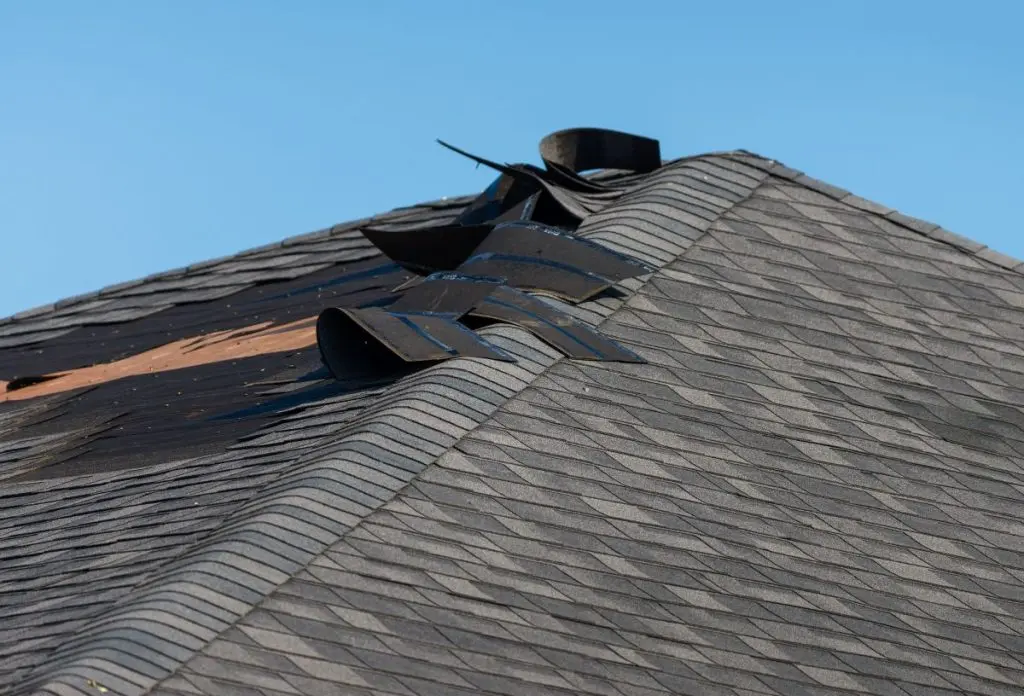
Assess the exterior damage from the ground before considering any roof access. A ground-level survey with binoculars provides a useful picture of the damage scope and helps prioritize where temporary protection is most urgently needed without requiring you to access the roof in conditions that may be wet, windy, or otherwise hazardous.
Look for missing shingle sections, visible roof deck exposure, displaced flashing, tree or debris contact with the roof surface, and any obvious structural compromise. In Navarre, OH and surrounding areas, where post-storm conditions often include wet roof surfaces, high winds, and low visibility, ground-level assessment is both safer and sufficient for initial prioritization.
- Note the location and estimated size of any visible roof openings relative to the ridge and the edges of the roof so you can communicate this clearly when you call a contractor
- Do not attempt to access the roof surface during or immediately after the storm event that caused the damage
- If a large tree or significant debris is resting on the roof, do not attempt removal yourself, as debris removal can cause additional structural damage and presents serious safety risks
5. Apply Emergency Tarping If Safe to Do So
If the roof breach is significant and rain is ongoing or forecast, a temporary tarp applied over the damaged area can prevent substantial additional water infiltration while professional repairs are arranged. This step requires careful judgment about whether the conditions and the homeowner’s comfort level with roof access make it a safe option.
Tarping is appropriate when the roof surface is dry or only slightly damp, the pitch is moderate and the roof is accessible from a ladder, the breach is clearly located and not adjacent to a structural failure, and there is no ongoing lightning risk. A tarp should be large enough to extend well past the damaged area on all sides and should be secured at the ridge with weight or fasteners so that wind cannot lift it.
- Use a minimum 6-mil polyethylene tarp that extends at least four feet past the damaged area on all sides
- Secure the uphill edge of the tarp at or near the ridge rather than fastening it to the damaged area, as fasteners driven into compromised decking do not hold reliably
- Weight the tarp edges with sandbags, lumber, or other heavy materials rather than relying solely on fasteners at the perimeter
- If accessing the roof is not safe or the damage is too extensive to cover effectively with available materials, skip this step and move directly to calling a contractor
6. Contact Your Insurance Company and Document the Report
File a claim with your homeowner’s insurance company as soon as you have completed your initial documentation. Most policies require prompt reporting of covered damage, and delay can complicate or limit coverage. Have your policy number available and be prepared to describe the date and nature of the event, the areas of the home affected, and the steps you have taken for temporary protection.
- Ask the representative what documentation they will require from you and from a roofing contractor before an adjuster is dispatched
- Request a claim number and the name of the adjuster assigned to your claim
- Confirm the timeline for adjuster response and what you are authorized to spend on temporary repairs without prior approval
7. Call a Licensed Local Roofing Contractor
With your documentation complete and your insurance claim filed, contact a licensed local roofing contractor for emergency response. When you call, provide the following information so the contractor can assess the urgency and prioritize their response appropriately: the date and cause of the damage, the location and estimated size of any roof breach, whether water is actively entering the home, and whether a temporary tarp has been applied.
In Navarre, OH and surrounding areas following a significant storm event, emergency calls to reputable contractors can back up quickly. Providing clear, specific information when you call helps you get prioritized and helps the contractor arrive prepared with the right materials for the situation.
- Have your insurance claim number and adjuster contact information available when you call, as many contractors will coordinate directly with your insurer
- Be cautious of contractors who arrive unsolicited immediately after a storm offering immediate repair without a written estimate
- Ask any contractor you are considering whether they provide a written scope of work, carry current liability insurance and workers compensation, and are licensed in Ohio before authorizing any work
What Temporary Repairs Homeowners Can Safely Do Themselves
There is an important distinction between temporary measures a homeowner can safely implement before professional help arrives and roof work that requires professional tools, training, and safety equipment. Getting that distinction right prevents injury and prevents temporary measures from creating new problems that complicate the professional repair.
Safe for homeowners to attempt:
- Placing buckets and protective materials inside to contain active water infiltration
- Photographing and documenting the full extent of exterior and interior damage
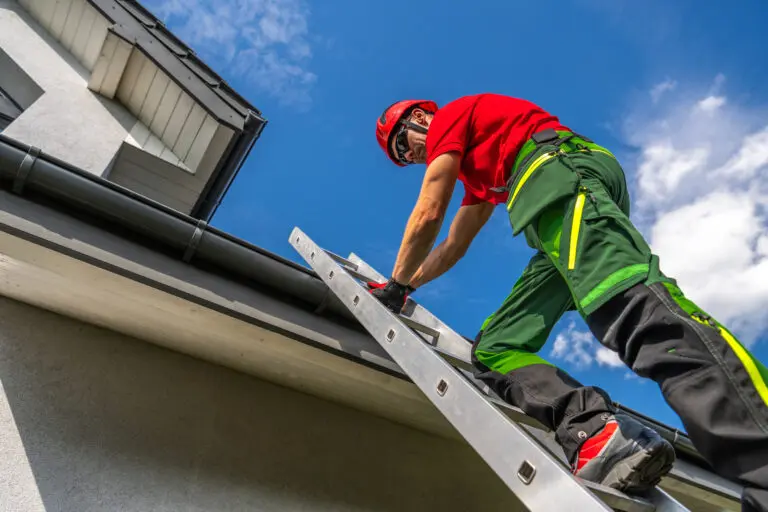
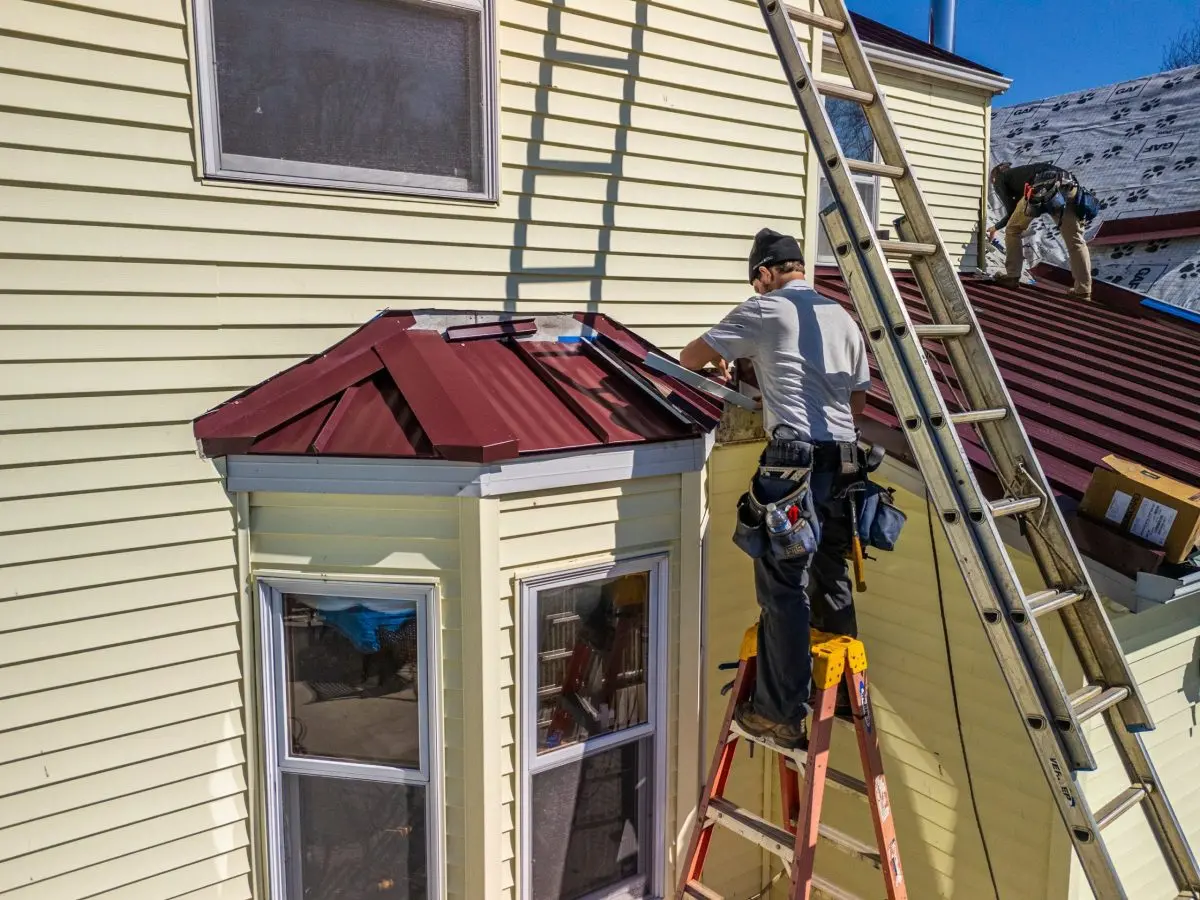
- Applying a tarp over a clearly located breach from a ladder when roof conditions are dry and safe
- Clearing debris from gutters and downspouts that is preventing water from draining properly
- Moving personal property away from at-risk areas inside the home
Best left to professionals:
- Any repair that involves cutting or fastening into the roof deck or existing shingles
- Removing large debris or tree limbs resting on the roof surface
- Accessing the roof on a pitch steeper than 4:12 without fall protection equipment
- Any repair work in wet, windy, or electrically hazardous conditions
- Flashing repair or replacement at any roof transition or penetration
How to Evaluate a Contractor During an Emergency
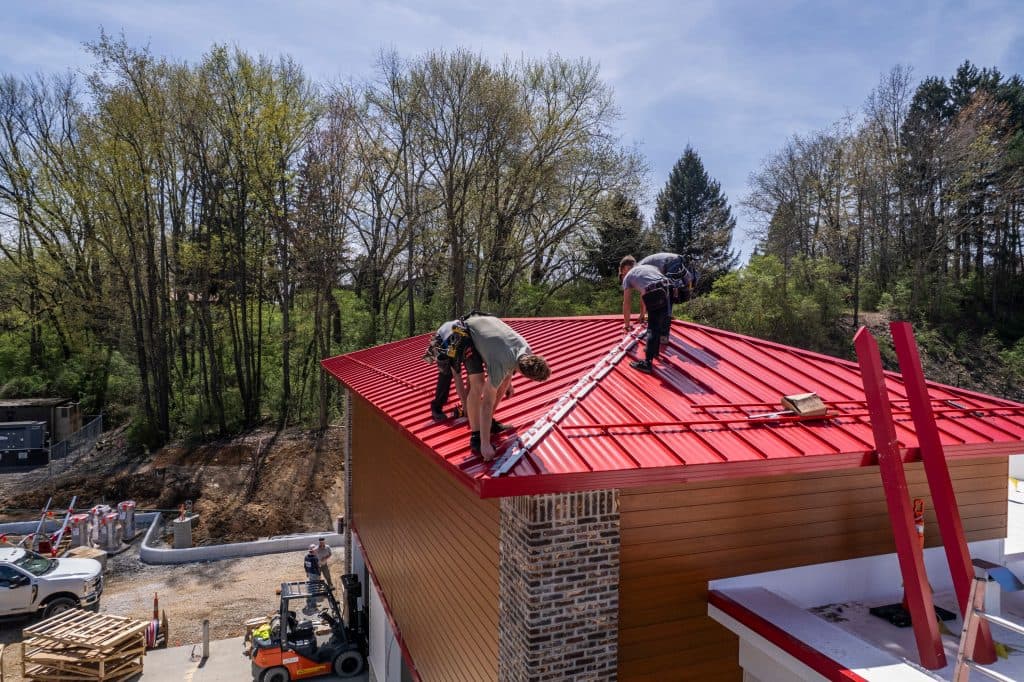
Emergency situations create pressure to accept the first available help, but the decisions made in the hours immediately following a storm can have long-term financial consequences. These are the most important things to verify before authorizing any work from a contractor you have not used before.
Verify Licensing and Insurance Immediately
A legitimate Ohio roofing contractor can provide a state license number and current certificates of insurance for both general liability and workers compensation without hesitation. If a contractor cannot or will not provide these before beginning work, do not authorize the project regardless of the urgency.
Get a Written Scope Before Authorizing Work
Even in emergency situations, a reputable contractor can provide a written description of the temporary or emergency work they propose to perform, the materials they will use, and the cost before beginning. A verbal estimate with no written documentation is not a basis for authorizing work on your home.
Be Wary of Full Replacement Pressure
Contractors who arrive immediately after a storm and immediately recommend a full roof replacement without a thorough inspection and documentation process are not necessarily acting in your interest. Emergency temporary repair and professional assessment come first. Full replacement decisions can be made based on the adjuster’s evaluation and a contractor’s documented inspection, not a storm chaser’s immediate pitch.
For homeowners in Navarre, OH and surrounding areas who want a trusted contractor they can call when a roofing emergency occurs, establishing that relationship before an emergency is the most effective approach. Know who you would call before you need to make that call under pressure.
Do Not Wait When Your Roof Is Compromised
A roofing emergency is not a situation that improves with time. Every hour of exposure compounds the damage, and every subsequent rain event before professional repairs are completed adds to the scope and cost of what eventually needs to be fixed. The steps above give you a framework for managing the situation effectively from the moment the damage occurs through the moment a contractor arrives, and following them in order gives you the best possible outcome from a difficult situation.
At Keim Quality Roofing, we respond to emergency roof situations throughout Navarre, OH and surrounding areas with the same thoroughness and honesty we bring to every project. We provide written estimates, work directly with insurance adjusters, and do not pressure homeowners into decisions they have not had time to evaluate. If your roof has been damaged and you need professional help, contact us today and let Keim Quality Roofing respond with the urgency and integrity your situation demands.