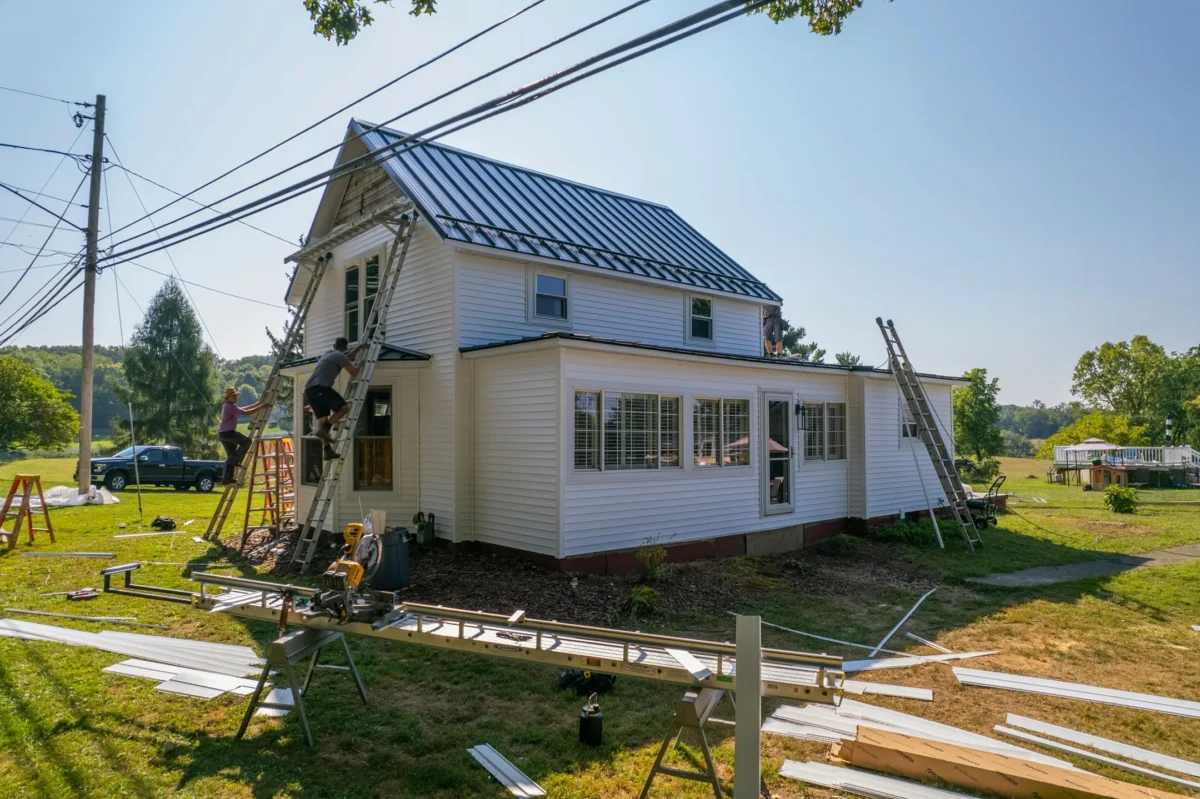
Storm Damage Siding Repair: How Contractors Fix Damaged Vinyl Siding & More
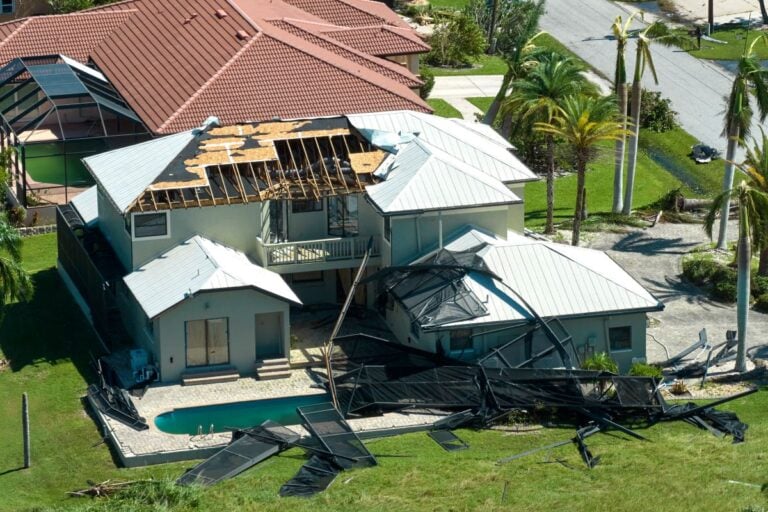
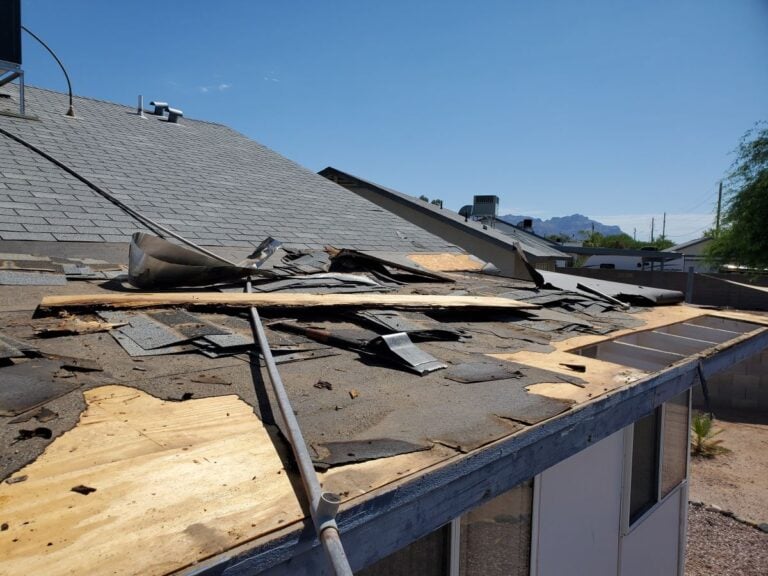
A severe storm can leave your home’s exterior looking like it took a direct hit, and in many cases it did. Cracked panels, missing sections, and impact dents are not just cosmetic issues. Storm damage siding repair is about restoring the protective barrier that keeps moisture, air, and pests out of your home’s wall cavity. The longer damaged siding goes unaddressed, the more opportunity water has to work its way behind the surface and into the structure beneath. If you want to understand how storm damage affects your entire exterior system, siding is part of that same conversation.
Here is what you will learn in this post:
- Why prompt siding repair after storm damage matters beyond appearance
- How contractors assess and repair the most common types of storm siding damage
- The differences between repairing and replacing storm-damaged siding
- How to document siding damage for an insurance claim
- What materials hold up best after repeated storm exposure
- How to choose the right contractor for storm damage siding repair
Why Storm Damage Siding Repair Cannot Wait
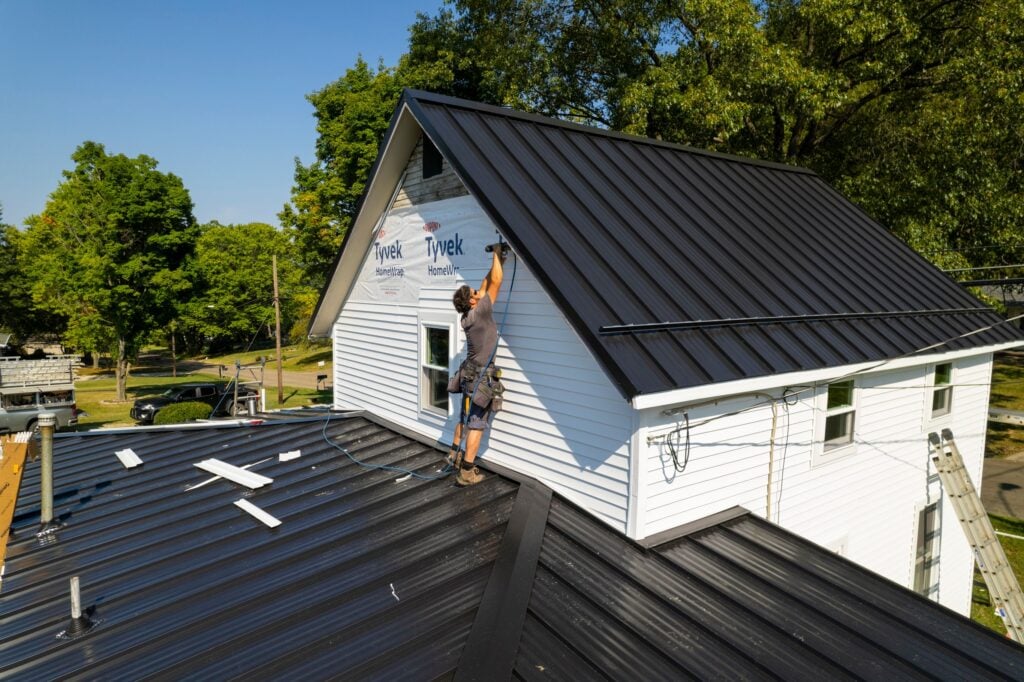
Most homeowners treat damaged siding as an item to get to eventually, somewhere below roof repairs and above landscaping on a long post-storm to-do list. That instinct is understandable but costly. Siding is not a decorative finish. It is the outermost layer of a building envelope that protects wall sheathing, insulation, and framing from the elements. When that layer is compromised, the damage compounds quickly and quietly.
Salem, OH and surrounding areas see their share of damaging storms throughout the year, from spring hail events to summer wind storms and winter ice. Each weather pattern creates a different type of siding threat, and recognizing the urgency of addressing each one is the first step toward protecting the investment you have made in your home. Here is why getting this right matters:
- Moisture infiltration starts immediately: A cracked or missing siding panel exposes the housewrap or sheathing beneath to direct water contact. Even a single rain event can introduce moisture that begins breaking down wood-based sheathing materials within days.
- Insurance claims have time limits: Most homeowner’s policies require storm damage to be reported within a specific window. Delaying repair documentation can weaken or invalidate a claim that would otherwise be straightforward.
- Structural damage escalates repair costs: Water that reaches wall framing causes rot, mold, and insulation saturation that turns a siding repair into a much larger and more expensive remediation project.
- Energy efficiency drops with damaged siding: Gaps, cracks, and missing panels allow conditioned air to escape and outside air to infiltrate, forcing heating and cooling systems to work harder and driving up monthly utility costs.
- Curb appeal affects property value immediately: Storm-damaged siding signals neglect to potential buyers and appraisers, and even cosmetic damage can meaningfully affect a home’s perceived value and marketability.
5 Types of Storm Siding Damage and How Contractors Repair Them
Storm damage to siding is not one-size-fits-all. Wind, hail, falling debris, and ice each create distinct damage patterns that require different repair approaches. Understanding how a qualified contractor addresses each type helps homeowners recognize quality workmanship and ask the right questions before any repair begins.
1. Cracked or Split Vinyl Siding Panels
Vinyl siding is the most common residential siding material, and while it is relatively durable, it becomes brittle in cold temperatures and is vulnerable to cracking from hail impact, wind-driven debris, and the physical stress of ice expansion during freeze-thaw cycles.
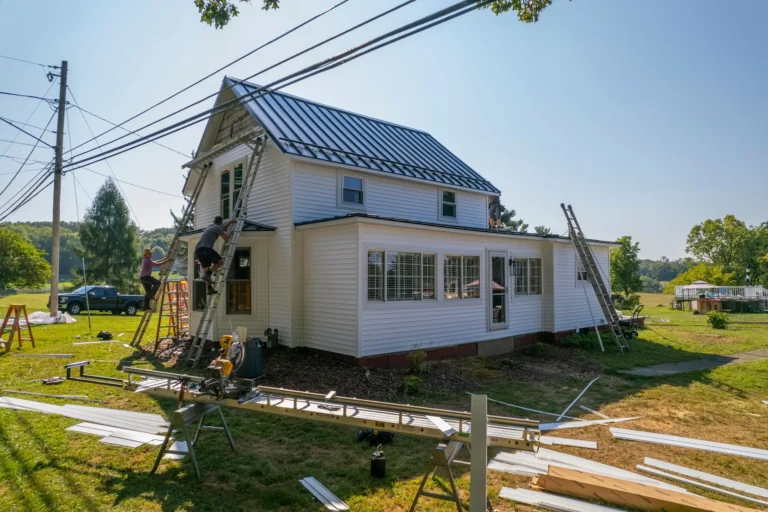
A contractor repairing cracked vinyl panels will typically assess whether individual panels can be replaced or whether an entire run of siding needs to come down. Single-panel replacement is straightforward when matching material is available, but color matching on older installations can be a genuine challenge since vinyl fades over time.
- The damaged panel is unlocked from the panels above and below using a zip tool that disengages the locking channel without damaging surrounding material
- The fastening strip at the top of the damaged panel is exposed, the nails are removed, and the panel is slid out from the course
- A replacement panel is cut to length, slid into position, fastened at the top, and locked back into the panel below
- All replacement panels must be installed with appropriate expansion gaps at trim joints to allow for thermal movement
2. Hail Impact Damage
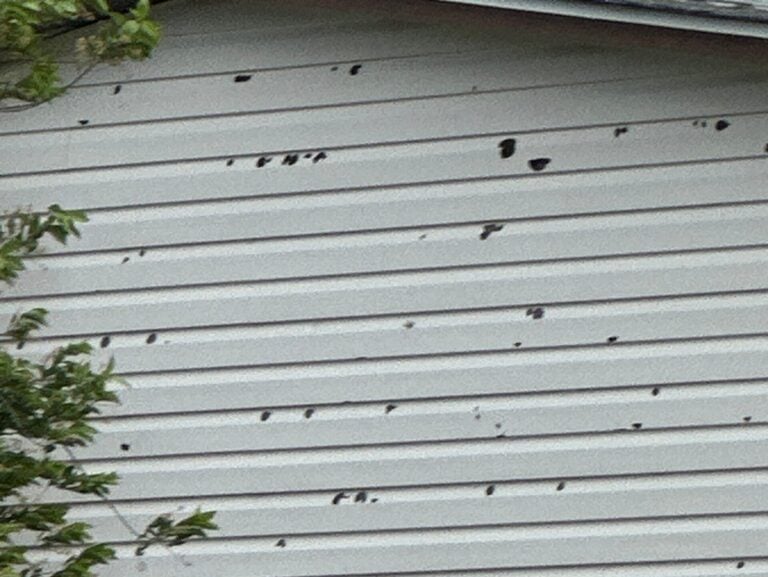
Hail damage to siding presents differently than cracked or split panels. Rather than clean breaks, hail leaves circular impact marks, surface dimpling, and in severe cases, punctures that breach the panel completely. The challenge with hail damage is that it tends to affect large surface areas rather than isolated sections, which often means that repair by section replacement makes more sense than individual panel swaps.
Homeowners in Salem, OH and surrounding areas who experience a significant hail event should have a contractor assess siding and roofing together, since hail that damages siding almost always affects the roof surface as well. That combined assessment is critical for building the strongest possible insurance claim.
- Light surface dimpling without panel breach may not warrant immediate replacement but should be monitored for developing cracks as the material weathers
- Panels with punctures or severe dimpling that compromises the panel’s structural integrity require full replacement
- Hail damage is a covered peril under most homeowner’s policies, making professional documentation with photographs and a written contractor report essential before any repairs begin
3. Wind Damage and Missing Panels
High winds are responsible for the most dramatic siding damage, capable of pulling entire sections of siding away from the wall in a single storm event. When panels are missing, the wall sheathing and housewrap beneath are directly exposed, and this situation requires the fastest response of any storm siding scenario.
A contractor addressing wind damage will first assess whether the underlying housewrap and sheathing are intact and undamaged before reinstalling or replacing siding panels. Damaged housewrap must be repaired or replaced before new siding goes over it, because installing new panels over compromised moisture barrier material simply traps the problem behind a finished surface.
- Missing panel sections are measured and new material is cut to match the existing course layout precisely
- Housewrap tears or gaps are patched with compatible tape or material before any siding is reinstalled
- Fastening schedules for reinstalled panels must meet current wind uplift requirements, which may be more stringent than what the original installation used
4. Fiber Cement and Wood Siding Storm Damage
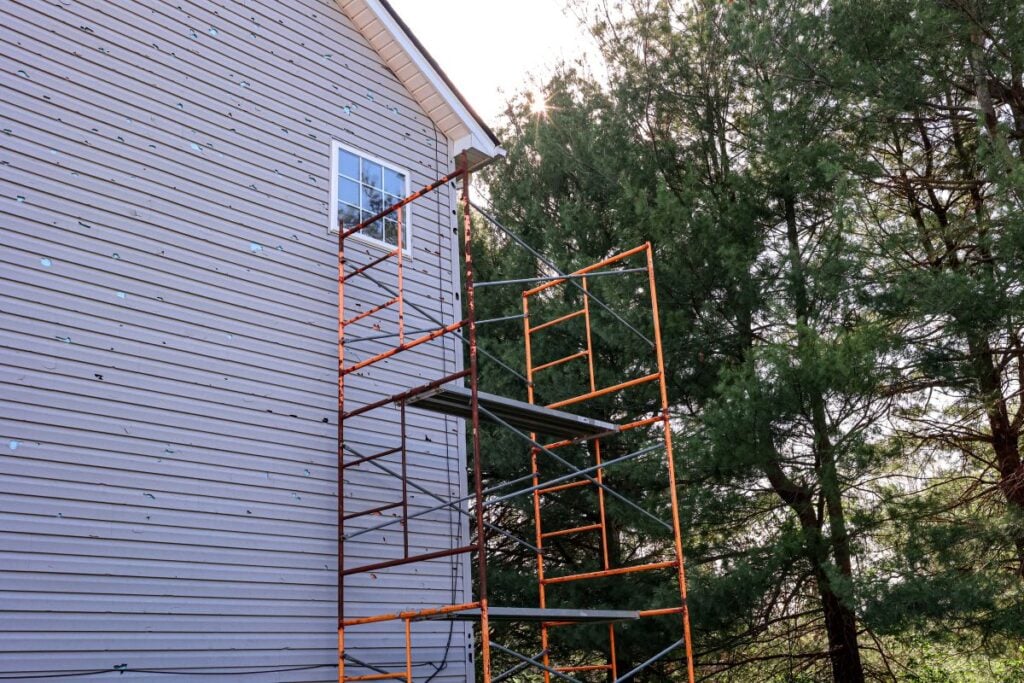
While vinyl is the most prevalent siding material, fiber cement and wood siding each present their own storm damage patterns and repair considerations.
Fiber cement siding is significantly more impact-resistant than vinyl but can crack at panel edges and corners when struck by large hail or heavy debris. Cracked fiber cement panels typically require full section replacement rather than patching because the material does not flex and patches do not hold up well under weathering. Color matching on painted fiber cement requires careful attention to the existing paint sheen and formulation.
Wood siding, whether lap siding, shingles, or board and batten, is vulnerable to splitting, gouging, and moisture absorption following storm damage. Split boards can sometimes be repaired with exterior wood filler and paint on lower-traffic elevations, but sections that have absorbed significant moisture or show signs of rot require complete replacement before new paint or stain is applied.
- Fiber cement repairs require the same installation techniques as original work, including proper fastening into studs and gapping at trim joints
- Wood siding repairs must be primed on all four sides before installation to prevent moisture absorption from the back face
- Any siding repair that involves cutting into an existing painted or stained surface requires careful color matching to avoid visible repair lines
5. Damage to Trim, Corners, and Accessories
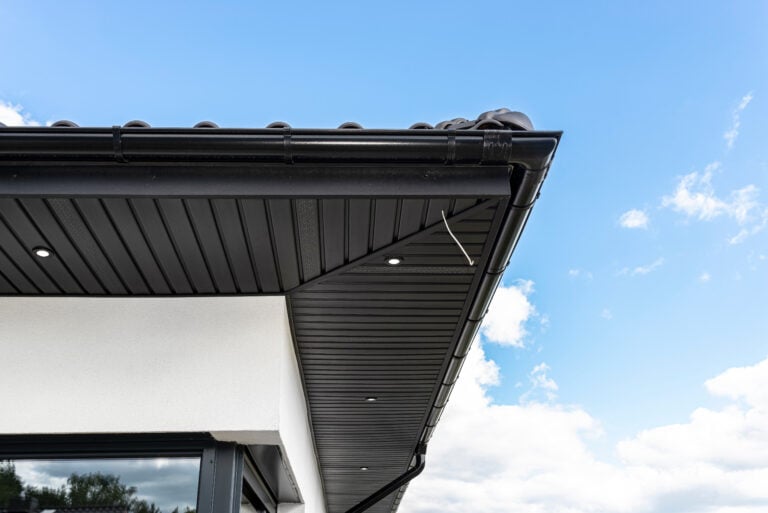
Storm damage rarely stops at the siding panels themselves. J-channel, corner posts, window and door trim, and soffit panels are all vulnerable to wind, hail, and debris impact, and damage to these components is just as important to address as damage to the field siding.
Damaged corner posts allow water to infiltrate behind the siding at the home’s most exposed vertical edges. Bent or cracked J-channel around windows and doors breaks the weathertight seal that keeps water from running behind the siding surface at every opening in the wall. Soffit damage creates a direct entry point for moisture and pests into the attic and wall cavity above the fascia.
- Corner post replacement requires removing the siding panels that overlap it on both faces before the post can be extracted and replaced
- J-channel damage around windows is often more extensive than it appears because wind force concentrates at these transitions
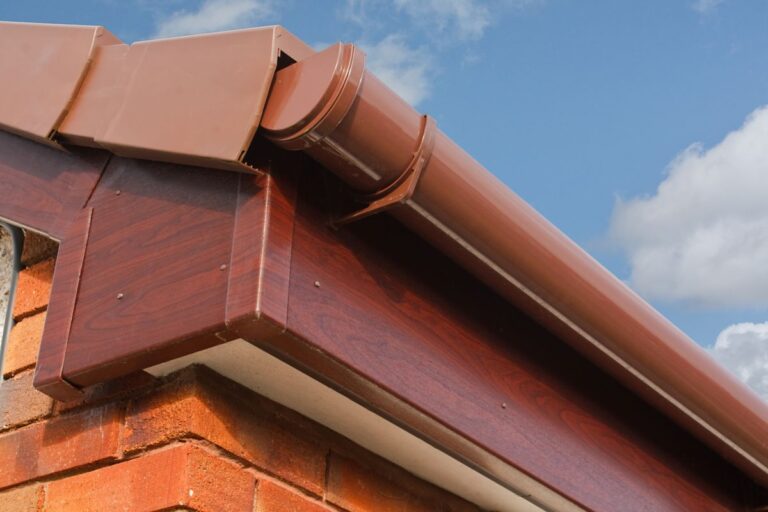
- Damaged soffit panels should be assessed alongside any fascia and gutter damage, as these components typically fail together in high-wind events
Repair vs. Replace: Making the Right Call After Storm Damage
One of the most common and consequential decisions a homeowner faces after storm damage is whether to repair the affected sections or replace siding across a broader area or the full elevation. The right answer depends on several factors, and a trustworthy contractor will walk you through the logic rather than defaulting to the more expensive option automatically.
When Repair Makes Sense
Targeted repair is appropriate when damage is limited to a small number of panels, when matching replacement material is readily available, and when the underlying sheathing and housewrap are intact. A single hail impact that cracks two panels on the east elevation does not justify replacing the entire east face of the home.
When Replacement Makes More Sense
Full section or full elevation replacement becomes the more practical choice in several situations. When hail damage affects the majority of panels on a given elevation, replacing panel by panel becomes nearly as costly as a full replacement while leaving the remaining panels vulnerable to continued weathering. When siding has aged to the point where matching material is unavailable or where the existing color has faded significantly, partial repairs create a visible patchwork that undermines the home’s appearance and resale value.
Homeowners in Salem, OH and surrounding areas who are weighing this decision should also factor in the age of their existing siding. Vinyl siding has a typical lifespan of 20 to 40 years depending on quality and maintenance. A 25-year-old siding system that sustains storm damage is often a stronger candidate for full replacement than for repair, particularly when insurance coverage is available to offset the cost.
The Insurance Factor
When a homeowner’s insurance claim is involved, the scope of the approved repair often drives the repair-versus-replace decision. An adjuster who approves replacement of storm-damaged panels on a full elevation is essentially authorizing a replacement for that face of the home. Understanding what your insurer has approved before committing to a repair scope prevents underbuilding a claim that could have covered more.
Choosing the Right Contractor for Storm Damage Siding Repair
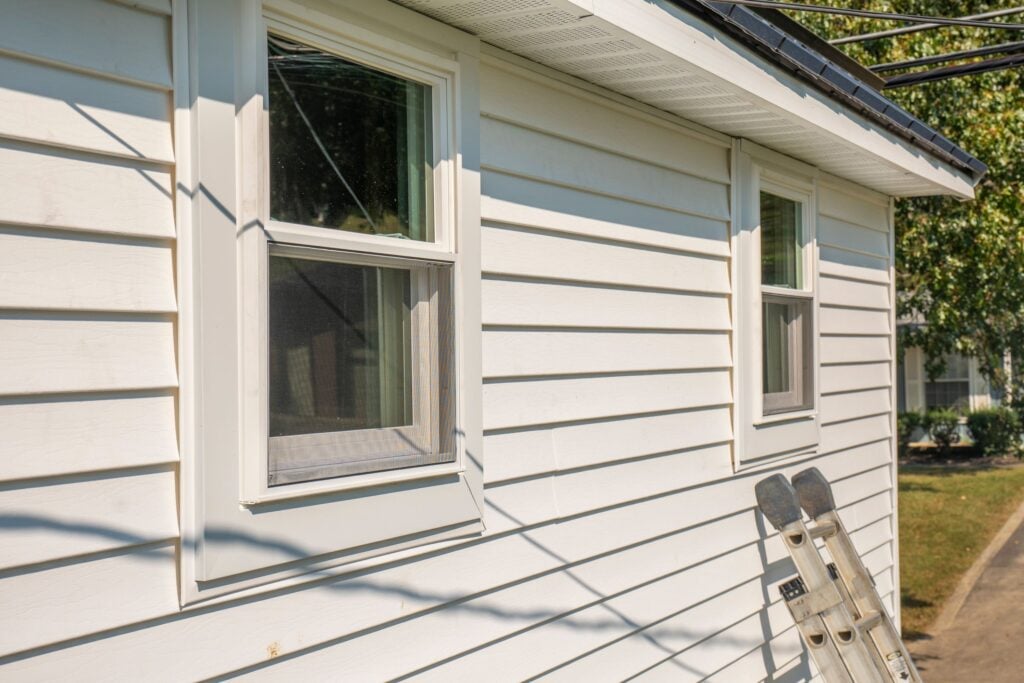
Not every roofing and exterior contractor has equal experience with storm damage siding work, and the difference between a contractor who understands the full scope of storm damage assessment and one who simply replaces visible panels can be significant in both outcome and insurance claim value.
- Look for contractors who assess the full exterior system. Storm damage rarely affects only one component of a home’s exterior. A contractor who inspects roofing, gutters, siding, trim, and soffit together gives you a complete damage picture and a single point of accountability for the repair work.
- Ask about their insurance claim experience. A contractor who regularly works alongside insurance adjusters, provides written inspection reports, and understands how to document damage for a claim is a far more valuable partner than one who simply shows up with panels and a nail gun.
- Verify licensing, insurance, and references. Any contractor working on your home’s exterior should carry general liability insurance, workers compensation, and appropriate state or local licensing. Ask for references from previous storm damage repair projects specifically, not just general remodeling work.
- Be cautious of storm chasers. After significant weather events in Salem, OH and surrounding areas, contractors from out of the area often canvas neighborhoods offering quick repairs at unusually low prices. Local contractors with established reputations have a long-term stake in the quality of their work that out-of-town operations simply do not.
- Get everything in writing before work begins. A detailed written scope of work that specifies the materials to be used, the panels to be replaced, and how the project will be managed protects you if disputes arise and gives you a baseline for evaluating the finished work.
Do Not Let Storm Damage Sit Until the Next Storm Season
Storm damage to siding is one of the few home repair situations where delay almost always makes things worse and more expensive. The moisture infiltration, structural exposure, and insurance timeline pressures that come with damaged siding all argue for acting sooner rather than later.
At Keim Quality Roofing, we work with homeowners throughout Salem, OH and surrounding areas to assess, document, and repair storm damage to siding, roofing, and the full exterior system with the kind of thoroughness that produces both lasting repairs and successful insurance claims. We take the time to inspect every component, explain exactly what we find, and give you an honest recommendation on the best path forward for your home and your budget. If your home has been hit by a recent storm or you have noticed siding damage that needs a professional set of eyes, contact us today and let Keim Quality Roofing get to work for you.