What Does Hail Damage Look Like on a Roof? (Photos & Repair Tips)
After a hail storm passes through, the question every homeowner asks is the same: did my roof take a hit? The answer is rarely obvious from the ground, and the signs are easy to miss without knowing exactly what to look for. Understanding what does hail damage look like on a roof is one of the most practical pieces of knowledge a homeowner in a hail-prone region can have, because catching it early is what makes the difference between a manageable insurance claim and a leak that causes interior damage before anyone realizes the roof was compromised. If you want to understand how hail affects different roofing materials and what repair options exist, this guide covers it all.
Here is what you will learn in this post:
- What hail damage actually looks like on asphalt shingles, metal roofing, and other materials
- How to tell the difference between hail damage and normal wear or aging
- Why hail damage is often more serious than it first appears
- How to document damage effectively for an insurance claim
- What the repair process looks like depending on the extent of damage
- When to call a professional and what to expect from the inspection
Why Recognizing Hail Damage Quickly Makes a Real Difference
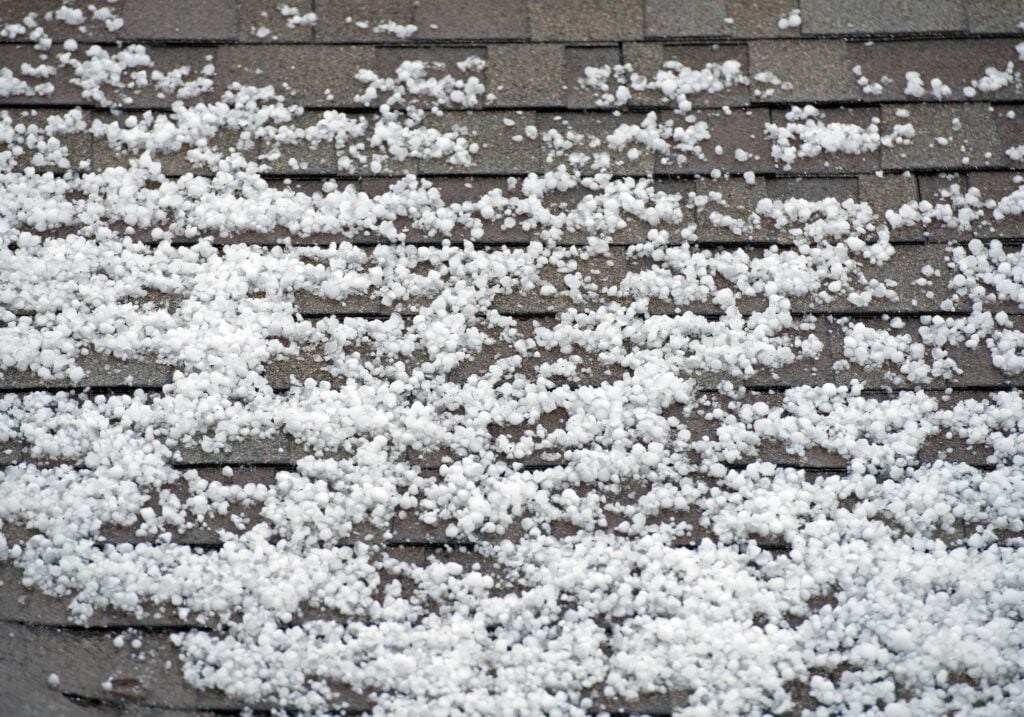
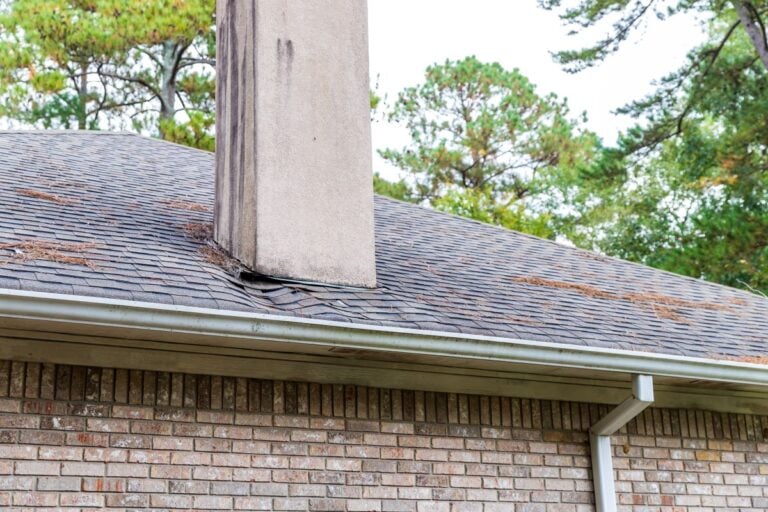
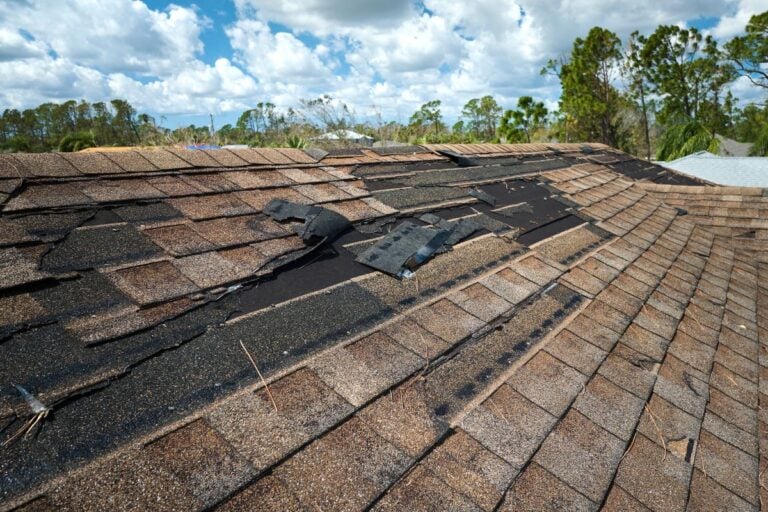
Hail damage is one of the most misunderstood roofing problems because the most serious consequences are invisible at first. A hailstone that dents a shingle, knocks granules loose, or cracks a panel does not immediately produce a leak. The damage creates a vulnerability that water exploits over subsequent rain events, often for months before any interior sign appears. By the time a ceiling stain or attic moisture problem becomes visible inside the home, the roof deck and insulation beneath the damaged area have frequently sustained significant secondary damage that a prompt post-storm inspection would have prevented.
For homeowners in Columbiana, OH and surrounding areas, hail is not an occasional event. Northeast Ohio experiences meaningful hail activity across the spring and early summer storm season, and storms that drop hail large enough to damage roofing occur more frequently than most homeowners expect. Here is why taking this inspection seriously immediately after a storm matters:
- Insurance claim windows are time-limited: Most homeowner’s policies require hail damage to be reported within 30 to 60 days of the event. Missing that window because the damage was not identified in time forfeits coverage that the homeowner has been paying for.
- Hail damage is a covered peril under virtually all standard policies: Unlike wear and tear or neglect, hail damage is a covered loss, which means prompt identification and documentation translates directly into claim value rather than out-of-pocket repair cost.
- Secondary damage accumulates quickly: Each subsequent rain event after a hail storm pushes more water through any breach the hail created, and the saturation of roof deck materials and insulation compounds the repair cost with every storm that passes.
- Damage patterns confirm storm severity: The size, density, and distribution of hail impacts across the roof surface provide evidence of storm intensity that supports the claim across all exterior components, including roofing, gutters, siding, and trim.
- Professional documentation protects your claim: An independent inspection report from a licensed contractor before the insurance adjuster’s visit gives you an informed advocate during the assessment and protects against an incomplete or minimized settlement offer.
5 Ways Hail Damage Looks Different Across Roofing Materials
Hail damage does not look the same across all roofing surfaces. The visual signatures vary significantly depending on the material, the size of the hailstones, the age and condition of the roof, and the angle of impact relative to the storm’s direction of travel. Knowing what to look for on your specific roofing material is the foundation of an effective post-storm inspection.
1. Hail Damage on Asphalt Shingles
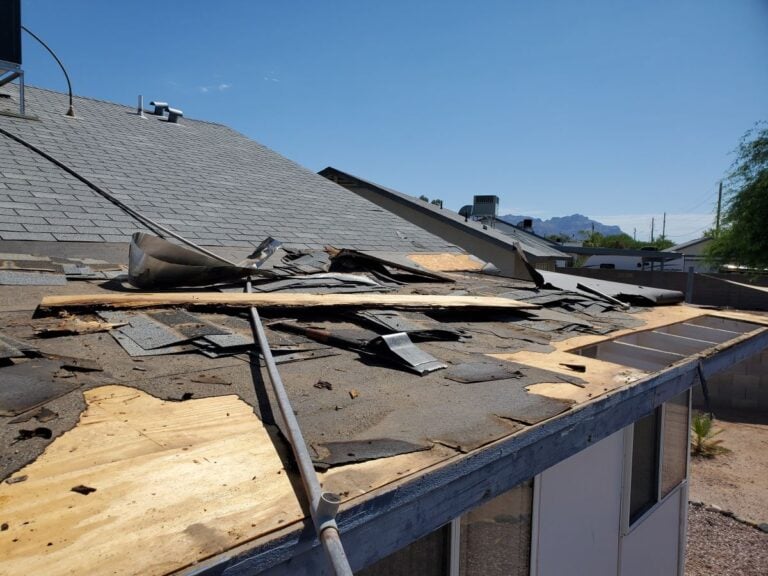
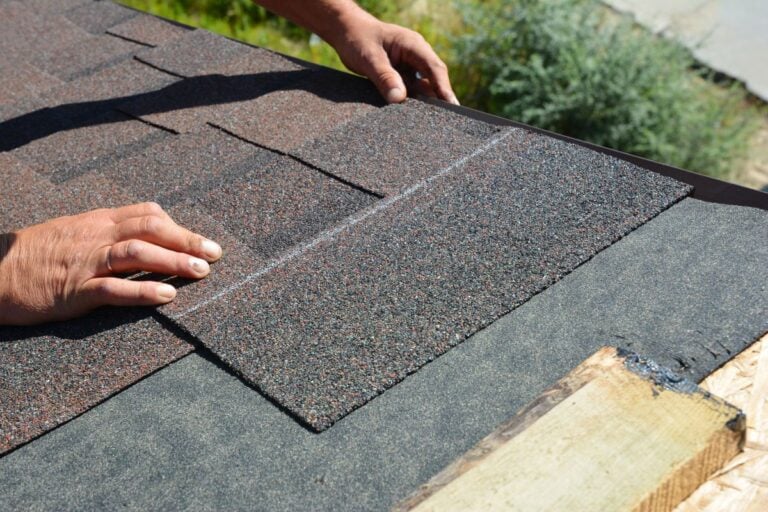
Asphalt shingles show hail damage in several distinct ways, and the specific appearance depends on hailstone size, impact velocity, and the age and temperature of the shingle at the time of impact.
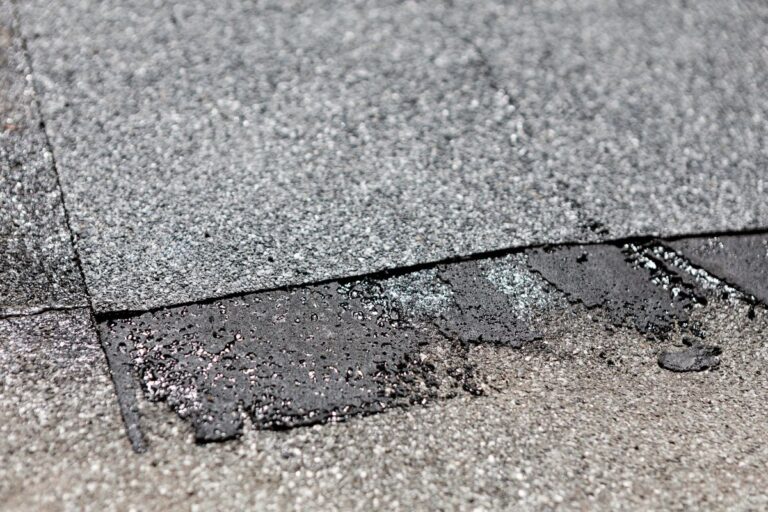
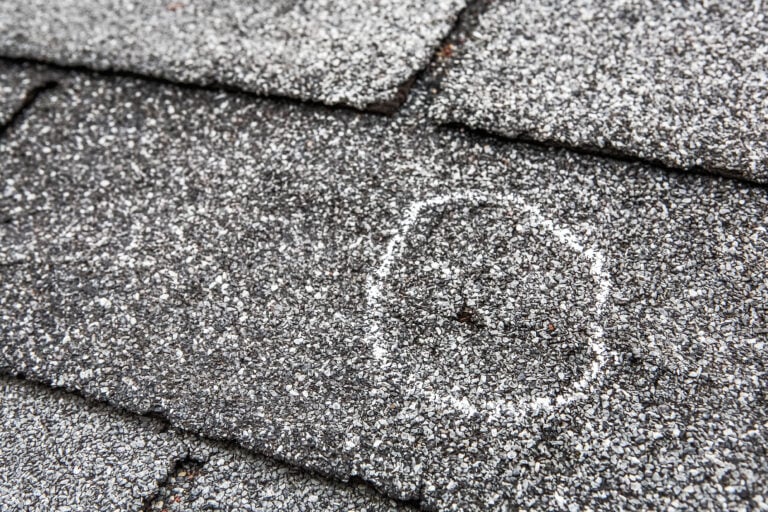
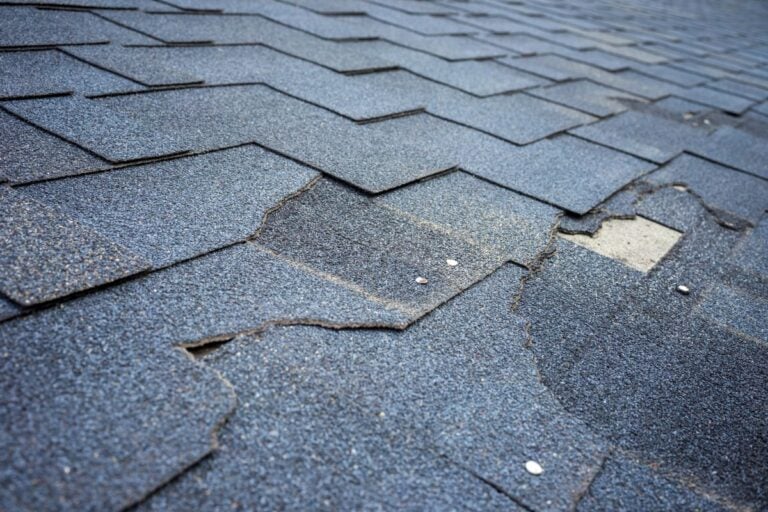
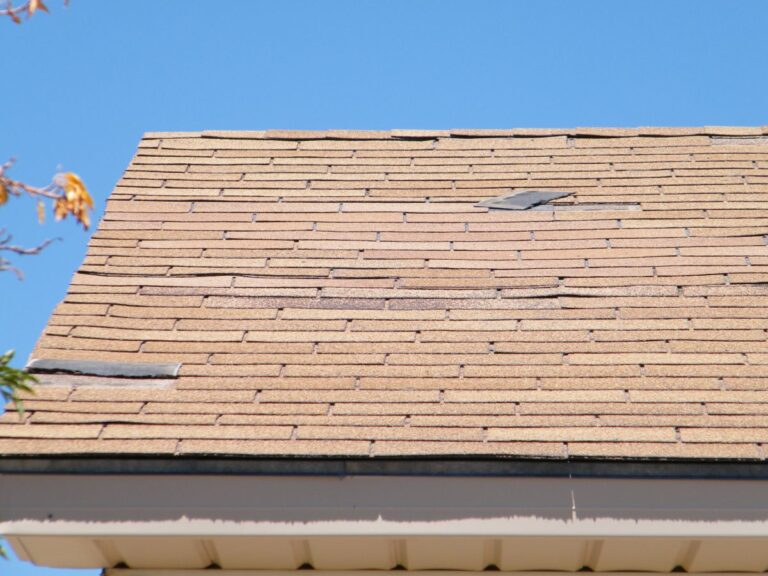
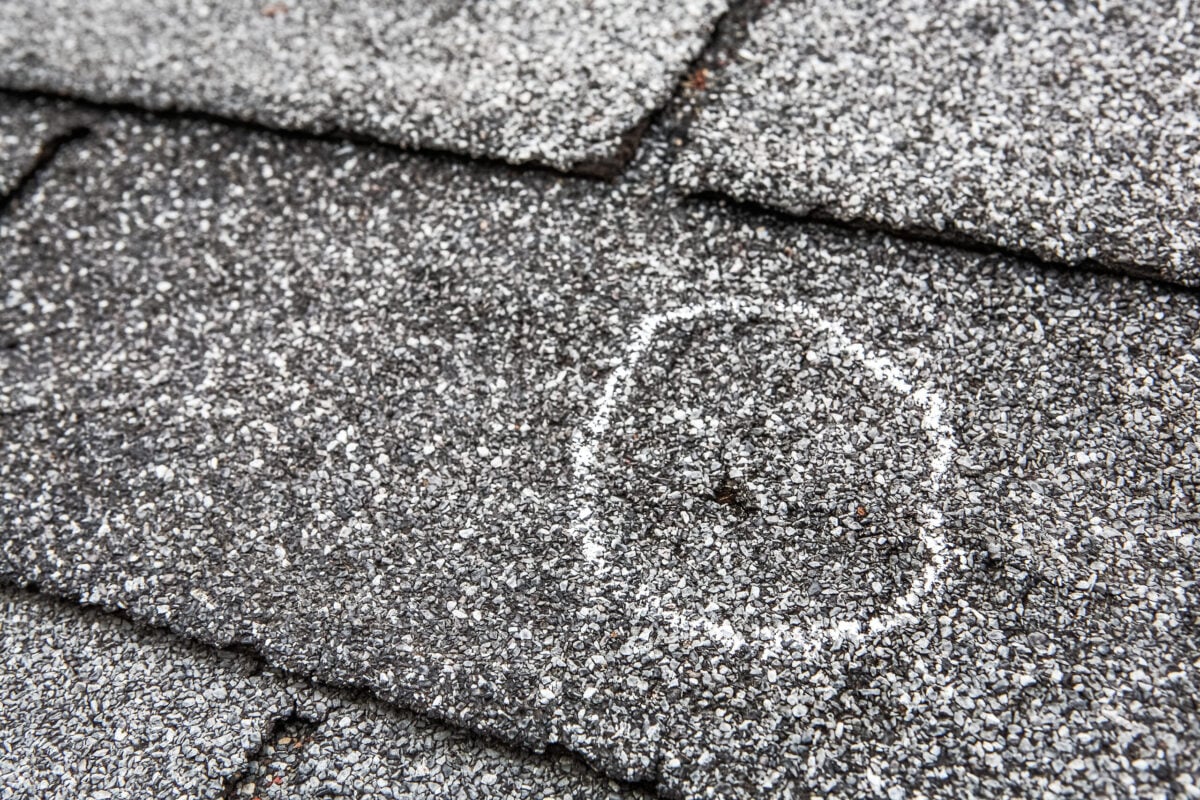
The most recognizable sign is the hail impact mark, a circular or slightly irregular bruise on the shingle surface where a hailstone struck and dislodged granules. These marks appear darker than the surrounding shingle because the granule layer has been removed, exposing the darker asphalt mat beneath. When you press a finger on a fresh hail impact mark, it feels soft or spongy because the mat has been damaged at that location.
- Impact marks are typically circular or oval and range from dime-sized to golf ball-sized depending on the hailstone
- Fresh impact marks have a shiny or darker appearance compared to the surrounding granule surface
- The mat beneath an impact mark is often fractured or cracked even when the surface damage looks minor
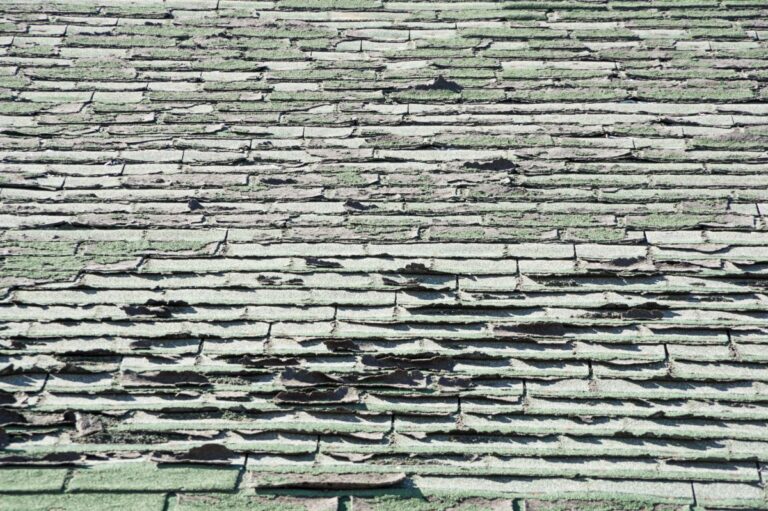
- Hail impacts accelerate granule loss across the entire shingle surface, not just at the direct impact points, by loosening the adhesive bond between granules and the asphalt mat
One important distinction: hail damage looks different from blistering, which produces raised bubbles that pop and leave a similar-looking bare spot. Blistering is a manufacturing or installation issue, while hail damage produces flat impact marks rather than raised formations. An experienced inspector can tell the difference immediately, and that distinction matters significantly for insurance claim purposes.
2. Hail Damage on Metal Roofing
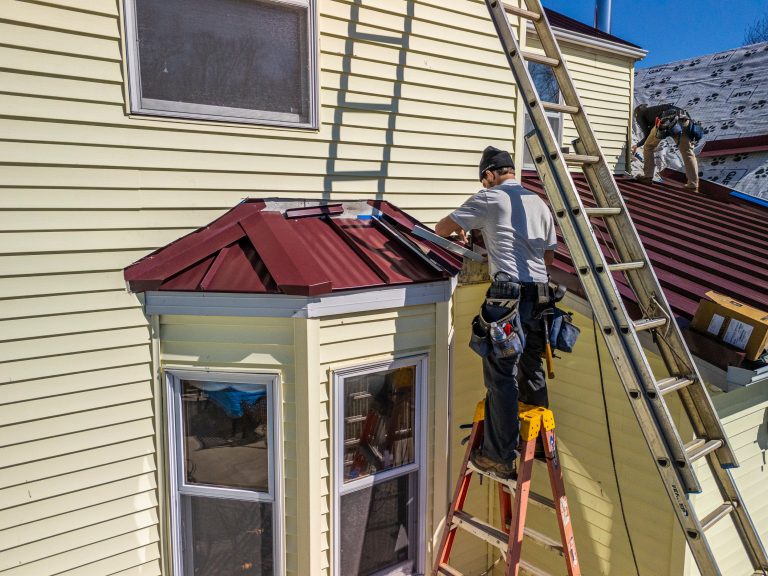
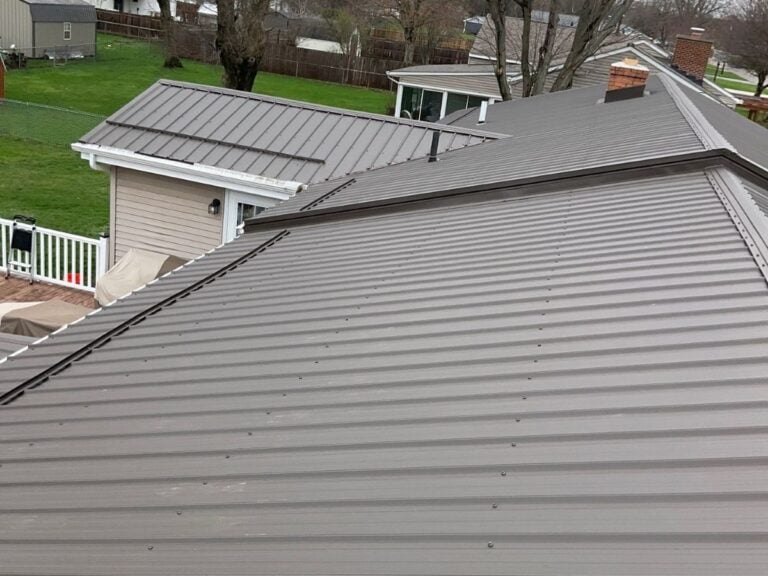
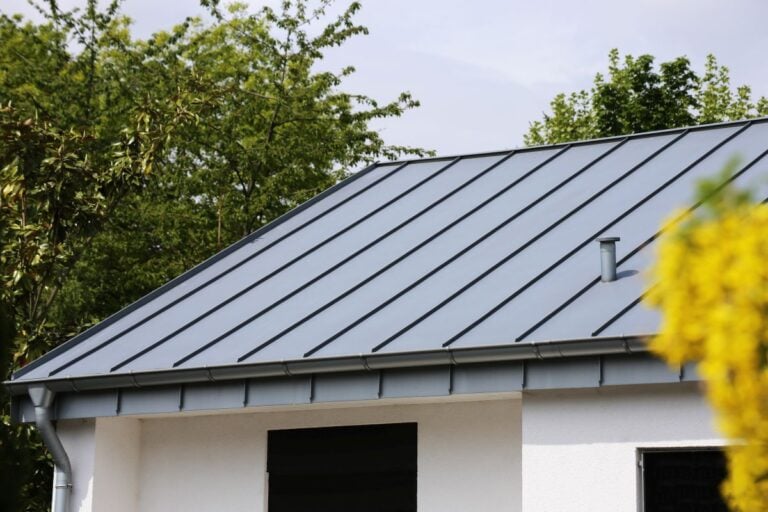
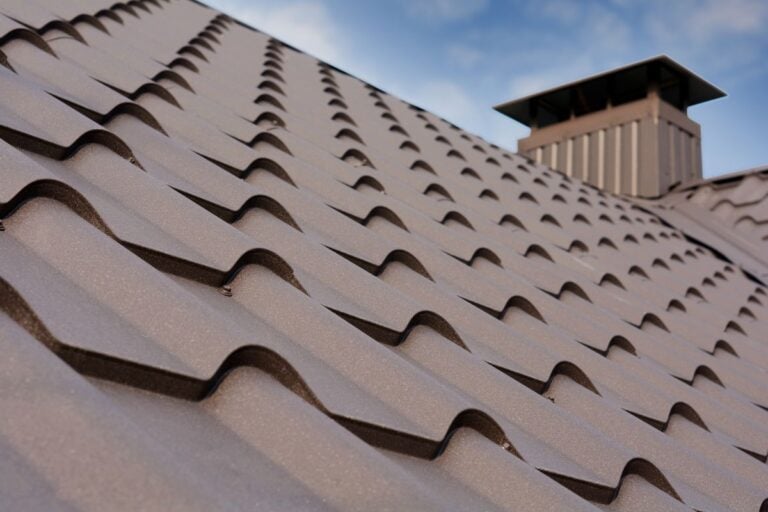
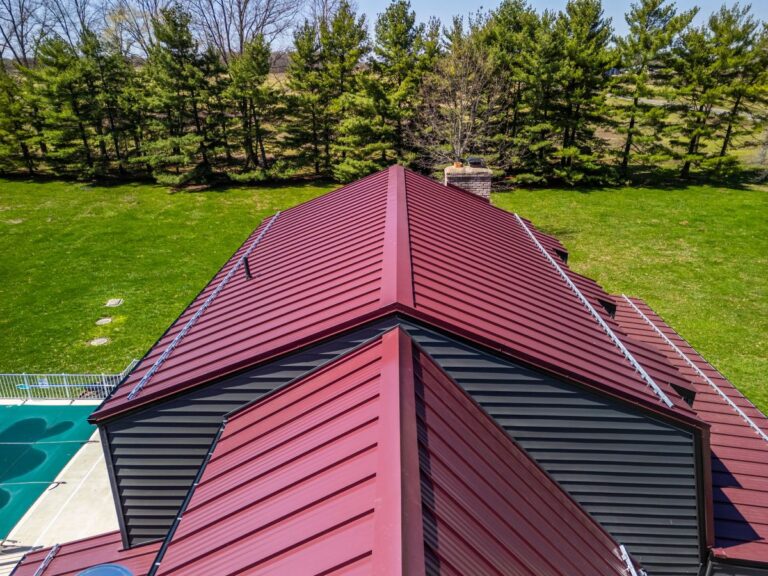
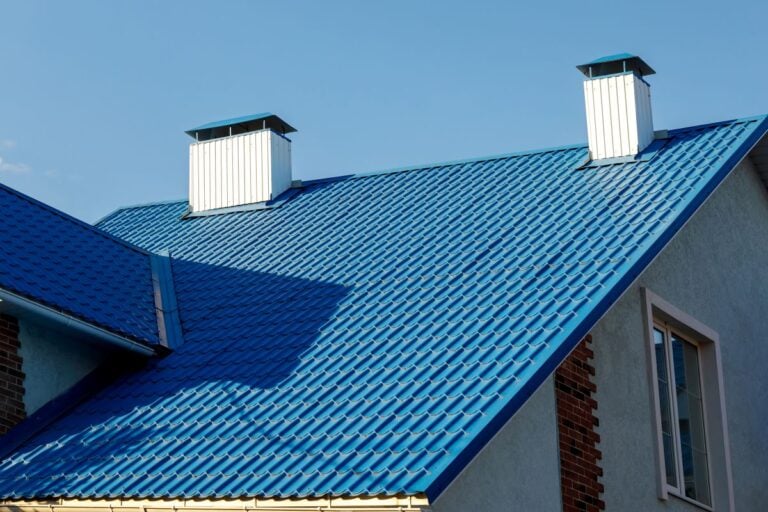
Metal roofing handles hail better than asphalt shingles in most cases, particularly systems with Class 3 or Class 4 impact resistance ratings. However, metal roofing is not immune to hail damage, and the visual evidence is different from what appears on shingles.
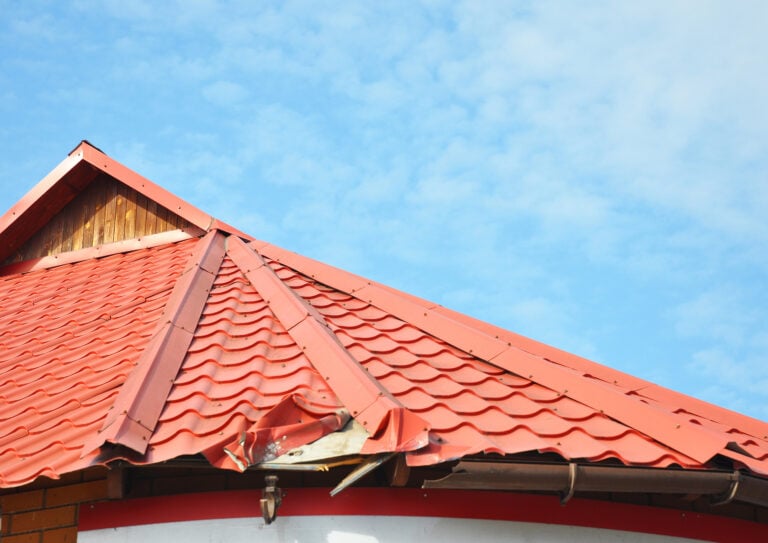
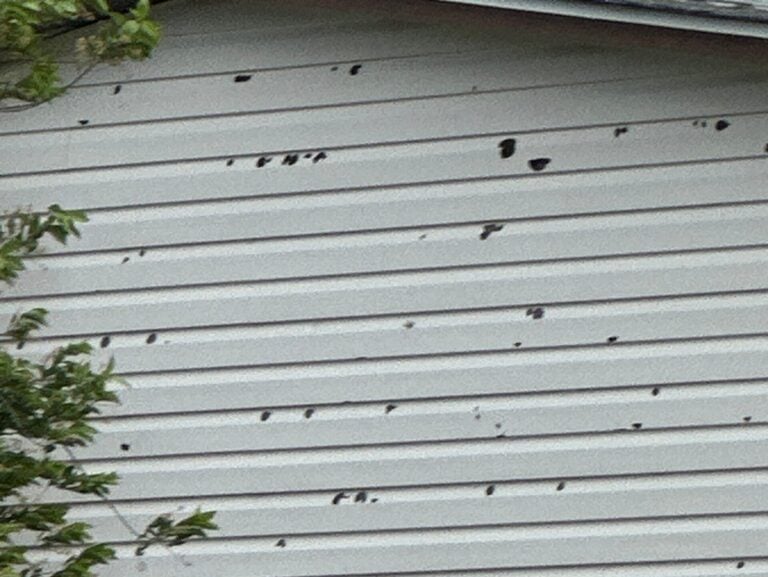
On painted or coated metal panels, hail impacts appear as circular dents of varying depth depending on hailstone size and panel thickness. The dent itself may cause the factory coating to crack at the point of impact, exposing bare metal beneath that is vulnerable to rust and corrosion over time. On unpainted or weathered metal, the dents are the primary visual indicator.
- Class 4 rated metal roofing can withstand significant hail without functional damage, but large hailstones can still dent and cosmetically damage even impact-rated panels
- Coating cracks at impact points on metal panels are more concerning than the dents themselves, since they create corrosion initiation sites
- Hail impacts on exposed fastener metal roofing can damage the rubber washer seals around each screw, creating infiltration risk that is invisible without close inspection
- Softer aluminum panels and lighter gauge steel show denting more readily than heavier gauge systems
3. Hail Damage on Wood Shake and Shingles
Wood shake and wood shingles show hail damage as splits, gouges, and impact marks that run along the wood grain. Unlike asphalt, which shows granule loss and mat bruising, wood splits under sufficient impact force, leaving sharp-edged breaks that are clearly distinguishable from the weathering cracks and checks that develop naturally in aging wood shingles.
- Hail-caused splits on wood shakes tend to be clean and angular, running with the grain, whereas age-related checking produces more gradual, fibrous separation
- Fresh splits expose raw, unweathered wood that appears brighter than the surrounding gray weathered surface
- Multiple splits concentrated on one elevation of the roof confirm the storm’s direction of travel and impact angle
4. Hail Damage on Tile Roofing
Concrete and clay tile roofing is among the most hail-resistant materials available, but large hailstones can crack or chip tile surfaces, particularly on older tiles where manufacturing standards were less rigorous. The visual evidence on tile is the most straightforward of any material: cracked or chipped tile surfaces with fresh, unweathered edges where the break occurred.
- Cracks that run through the full tile thickness require immediate repair because they allow water direct access to the underlayment beneath
- Surface chips without full-thickness cracks are less urgent but should be monitored for developing fractures under subsequent thermal cycling
- Broken tile pieces on the roof surface or in the gutters after a storm are an immediate indicator that hail damage has occurred
5. Hail Damage on Gutters, Downspouts, and Soft Metals
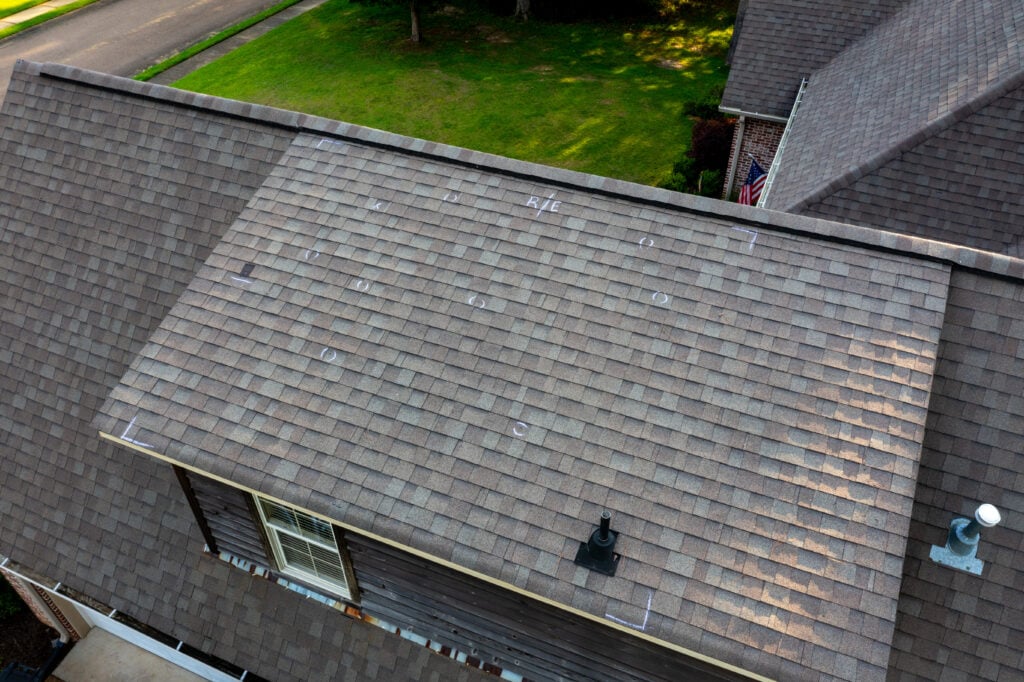
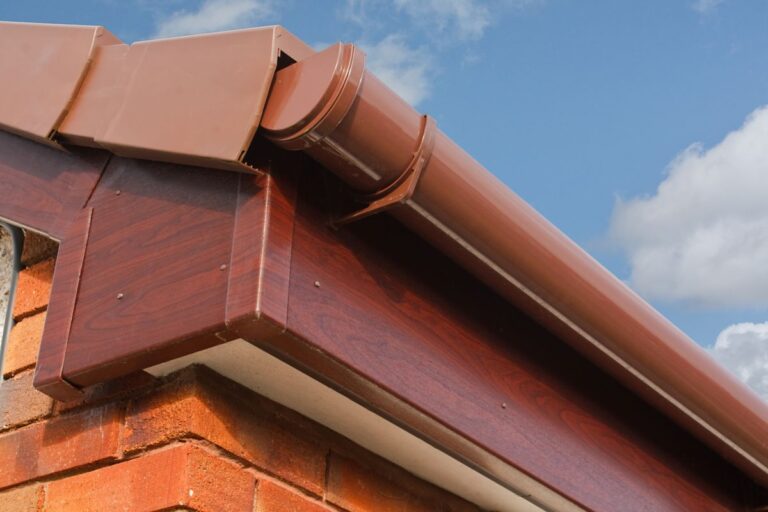
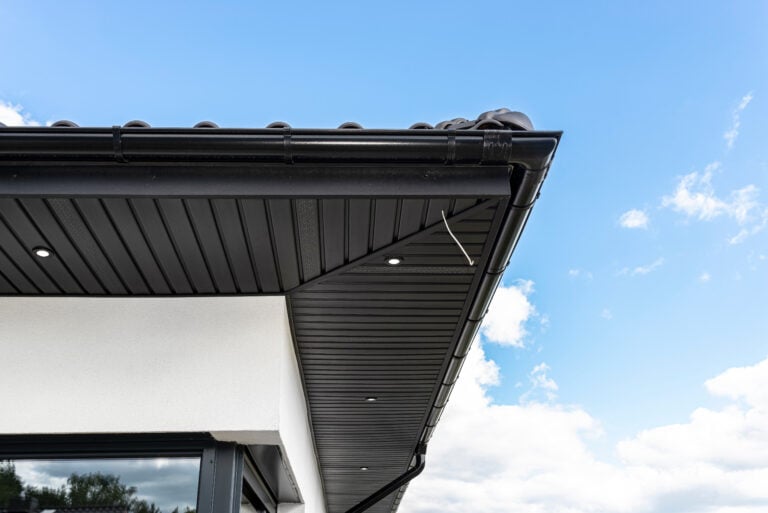
Gutters and downspouts are among the most sensitive hail indicators on a home because aluminum deforms readily under hail impact and the resulting dent patterns are clear and consistent. If gutters show obvious hailing, the roof surface above them has almost certainly sustained damage as well, even if that damage requires closer inspection to identify.
- Aluminum gutters show circular dents that directly mirror the hailstone size and impact density
- Downspout denting near the upper connection point confirms hail was falling with significant force at that location
- Dented gutter guards, screen inserts, or protective covers are additional confirmation of hail severity
- Window screens with small circular holes or deformation pattern are another reliable secondary indicator of meaningful hail activity
How to Tell Hail Damage Apart From Normal Aging
One of the most common points of confusion in post-storm roof inspections is distinguishing genuine hail damage from pre-existing wear, aging, or manufacturing defects. Insurance adjusters are trained to identify this distinction, and homeowners who understand it are better prepared for that conversation.
- Hail damage is random in location but consistent in size. Because hailstones fall at a specific angle determined by the storm’s wind direction, impact marks concentrate on certain elevations of the roof and are largely absent from sheltered faces. But within an affected area, all the impact marks are roughly the same size because they were made by hailstones from the same storm cell. Pre-existing damage and aging are distributed differently and show more variation in size and character.
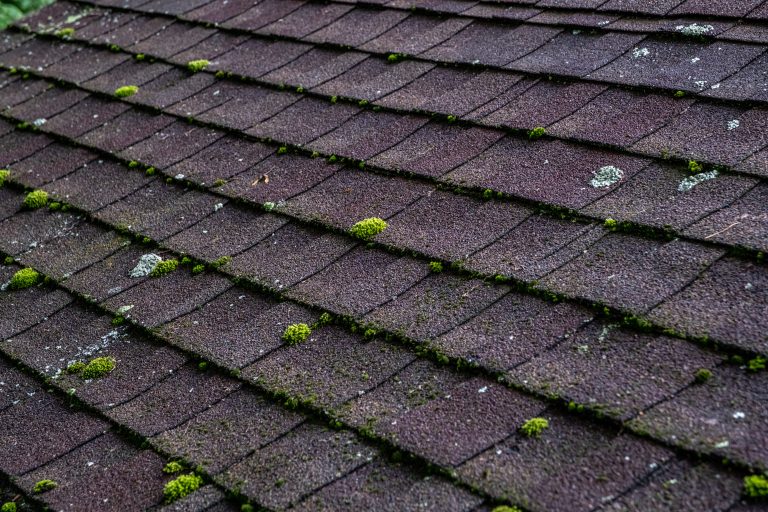
- Hail damage is fresh. Impact marks on asphalt shingles from a recent storm have soft, dark, unweathered centers where the granules were knocked away. Older damage that occurred in previous seasons has had time to develop secondary granule loss, oxidation of the exposed asphalt, and the dusty surface character of weathered material. The freshness of the damage is one of the clearest indicators that it resulted from a recent event.
- Hail damage affects multiple components simultaneously. A storm that damages the roof also damages gutters, siding, window trim, and any painted metal surfaces around the home. When the roof shows potential hail damage but surrounding components are completely unaffected, the damage may have a different cause. When roof damage corresponds with dented gutters, dimpled siding, and damaged window screens, the correlation strongly supports a hail claim.
- Hail damage follows the storm’s direction. Hail does not fall perfectly vertically. Wind carries it at an angle, which means one or two elevations of the roof receive the bulk of the impact while sheltered faces show little or none. This directional pattern is consistent with hail and inconsistent with most other damage types.
Repair Options After Hail Damage: What to Expect
The repair approach after hail damage depends entirely on the extent of the damage, the age of the roof, and what the insurance claim covers. Understanding the range of options helps homeowners participate more effectively in the conversation with their contractor and insurer.
Spot Repair for Limited Damage
When hail damage is isolated to a small number of impact points on a relatively new roof, spot repair may be the appropriate scope. On asphalt shingle roofs, this means replacing individual shingles or small sections where the mat damage is concentrated. On metal roofing, it means recoating cracked paint at impact sites and replacing any fastener washers that were damaged.
Spot repair is the least disruptive and least expensive option, but it is only appropriate when the surrounding roofing material is in genuinely good condition. Spot repair on an aging roof that already has widespread granule loss or compromised coverage elsewhere trades a short-term fix for deferred replacement costs.
Section or Elevation Replacement
When hail damage affects a significant portion of one or more roof elevations, section or elevation replacement is the more practical approach. Replacing the most affected elevation provides consistent coverage and material that matches across the repaired area without the visible patchwork of spot repairs distributed across a large surface.
In Columbiana, OH and surrounding areas, an insurance claim for significant hail damage often results in approval for the most affected elevation or elevations rather than the full roof, and the contractor and adjuster work together to define that scope based on the documented damage distribution.
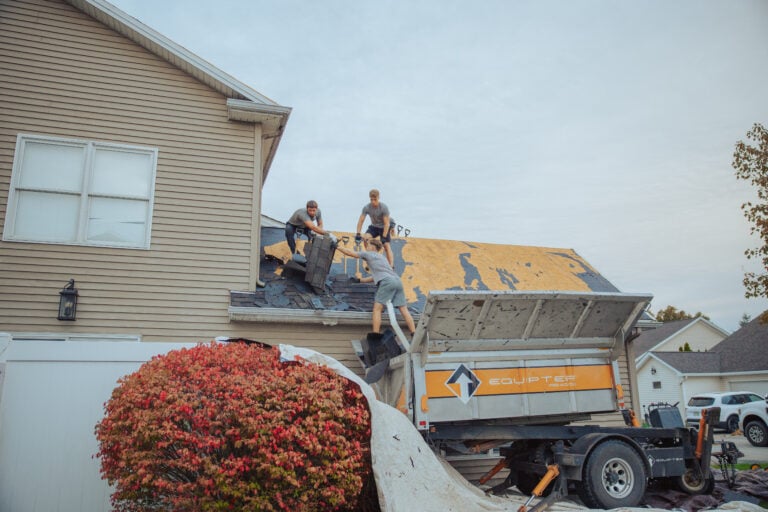
Full Roof Replacement
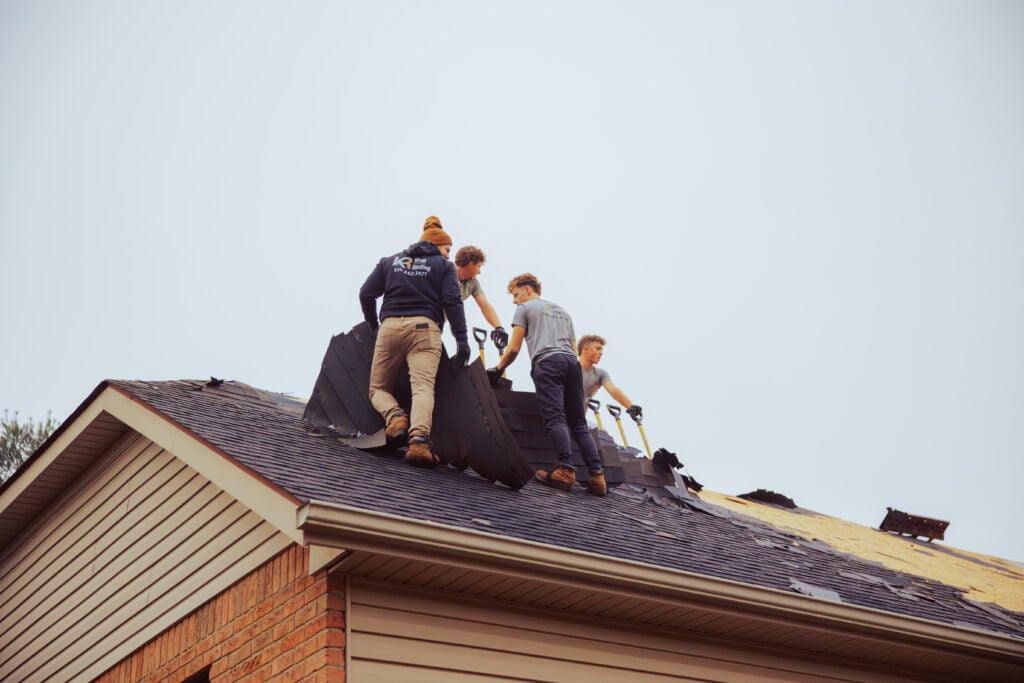
When hail damage is widespread across all elevations, when the existing roof is already aged and approaching end of useful life, or when the claim covers a full replacement, a complete reroof is the appropriate response. A full replacement ensures consistent coverage across the entire system and resets the warranty clock on materials and installation.
Homeowners whose roofs are more than 15 to 20 years old and sustain significant hail damage often find that insurers and contractors alike recommend full replacement rather than partial repair, since older material in reasonable condition alongside new replacement sections creates long-term performance inconsistencies that are better avoided.
Upgrading to Impact-Resistant Materials After a Hail Event
A hail damage claim creates a natural opportunity to evaluate whether the replacement material should offer better hail resistance than what was previously installed. Upgrading from standard asphalt shingles to Class 4 impact-resistant shingles or a metal roofing system during a replacement project funded in part by an insurance claim is a decision that many homeowners in hail-prone regions make after their first significant damage event. The premium over standard materials is often modest relative to the total project cost, and the long-term reduction in hail-related repair and claim risk is meaningful.
Do Not Wait to Get Your Roof Inspected After a Hail Storm
Every day between a hail event and a professional inspection is a day during which water can be working through any breach the storm created and during which the claims filing window is narrowing. The homeowners who navigate hail damage most successfully are the ones who move quickly: document what they can see, call a licensed contractor for a written inspection report, and file their claim with that documentation in hand before the adjuster arrives.
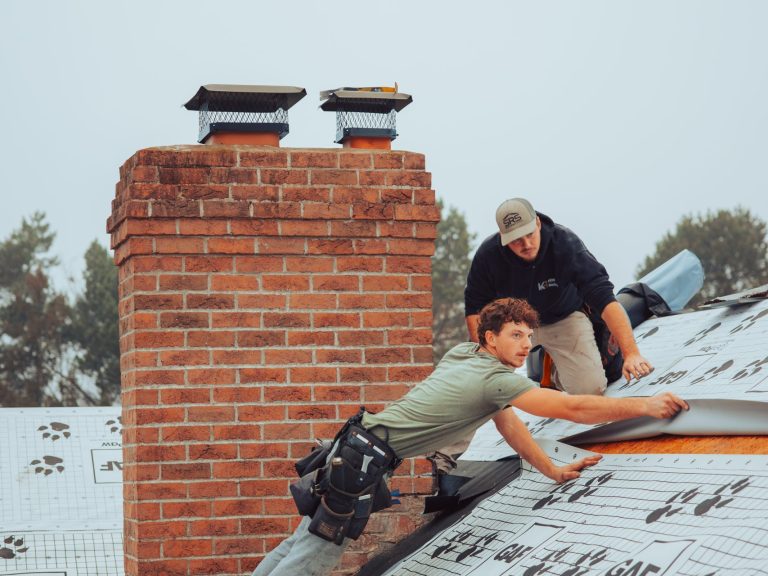
At Keim Quality Roofing, we inspect roofs throughout Columbiana, OH and surrounding areas after every significant storm event with the thoroughness that hail damage documentation requires. We know what impact marks look like at every stage of weathering, we know how to differentiate hail damage from pre-existing wear, and we produce the kind of detailed written inspection reports that support complete and successful insurance claims. If your home was in the path of a recent hail storm and you are not certain what your roof looks like, contact us today and let Keim Quality Roofing give you a clear picture of exactly what happened and what comes next.