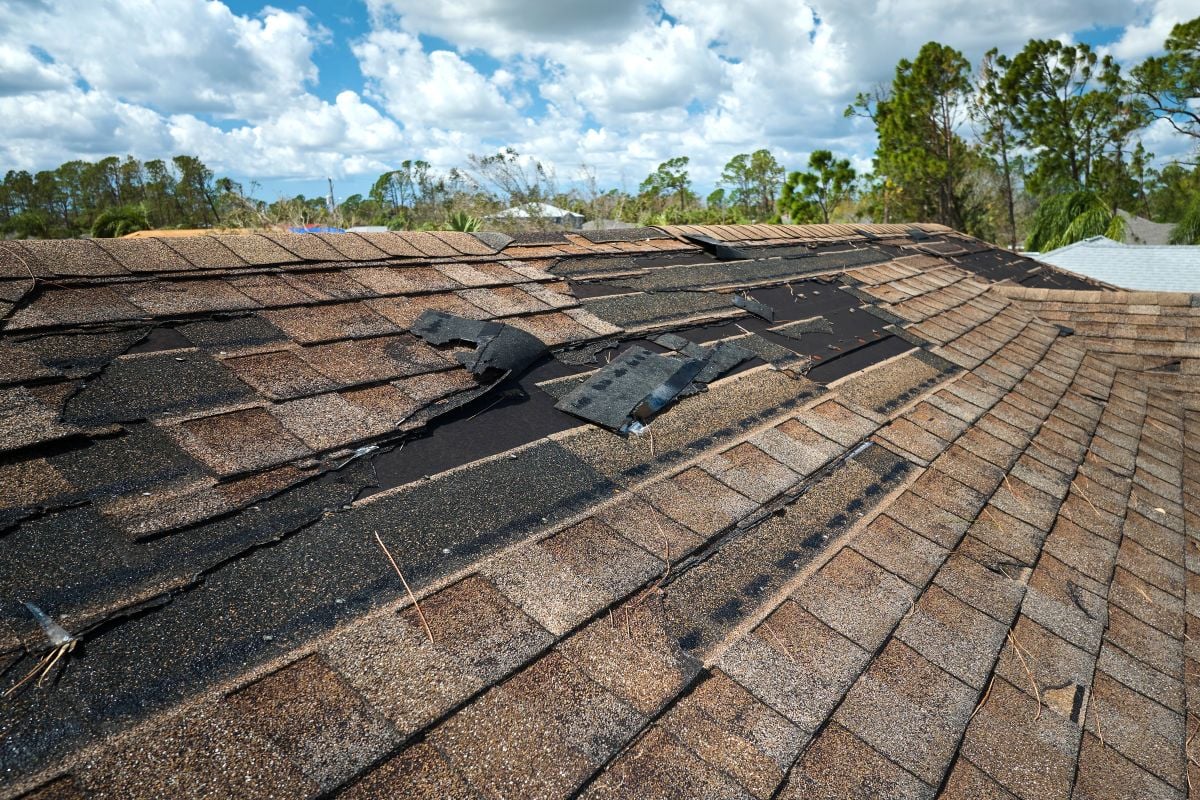
Wind Damage to Roof: 6 Warning Signs Every Homeowner Should Know
After a powerful storm rolls through, most homeowners do a quick check on their property. But unless you know what to look for, it’s easy to miss the early signs of wind damage to roof systems. Left unchecked, this kind of damage can lead to leaks, structural deterioration, and even mold inside your attic. In a storm-prone region like North Canton, OH and surrounding areas, spotting issues early could save you thousands in repair costs. Even if your roof looks fine from the ground, a professional inspection can reveal hidden trouble. Learn what to watch for before small issues turn into big ones by exploring our expert roofing services.
In this blog, you’ll learn:
- The importance of detecting wind damage to roof issues early
- Key visual signs of roof damage after a storm
- Lesser-known indicators that your roof needs attention
- Steps to take if your roof has sustained wind damage
Wind Damage to Roof? Why Identifying Wind Damage Matters
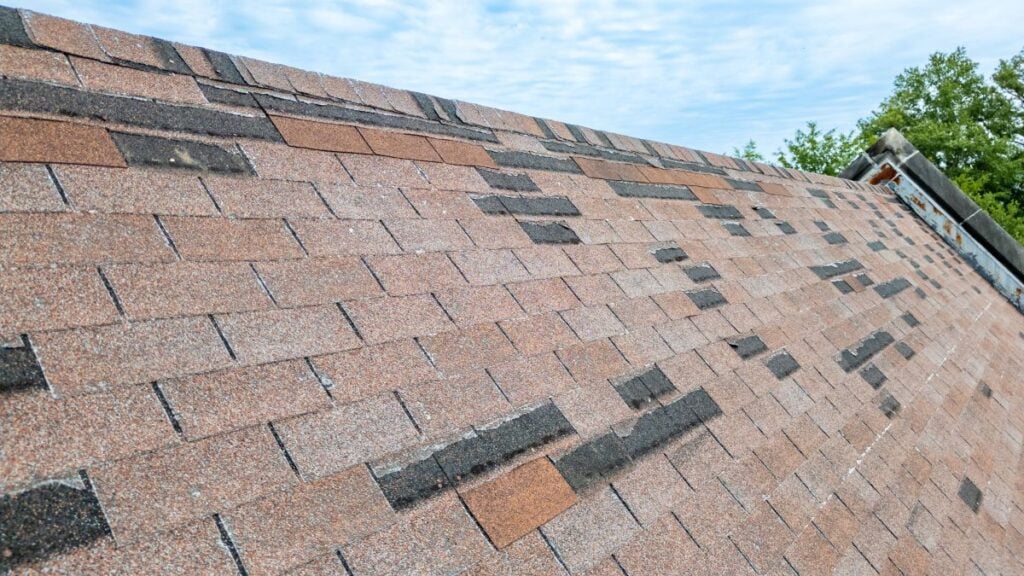
Understanding why wind damage to roof structures is a serious concern can help you avoid expensive repairs. Roof systems that are compromised by wind can affect everything from structural safety to energy efficiency.
Wind doesn’t have to reach hurricane speeds to damage your roof. Even moderate gusts can loosen shingles or compromise flashing. Understanding the risks helps you take action before issues escalate.
- Prevents Costly Repairs: Addressing damage early stops small problems from spreading to interior ceilings or insulation.
- Preserves Warranty Coverage: Insurance or manufacturer warranties may be void if damage isn’t reported promptly.
- Protects Structural Integrity: The roof is your home’s first line of defense—ignoring it can affect walls, framing, and foundation.
- Boosts Home Value: A well-maintained roof is a strong selling point for future buyers.
- Improves Energy Efficiency: Damaged roofs can lead to poor insulation and higher utility bills.
6 Warning Signs of Wind Damage to Roof Systems
Recognizing the early warning signs of wind damage to roof systems can prevent more extensive problems down the road. A thorough inspection after each major storm is a smart habit for long-term roof health.
Every roof tells a story after a storm. Here are the most common red flags homeowners in North Canton and surrounding areas should look for:
1. Missing or Lifted Shingles
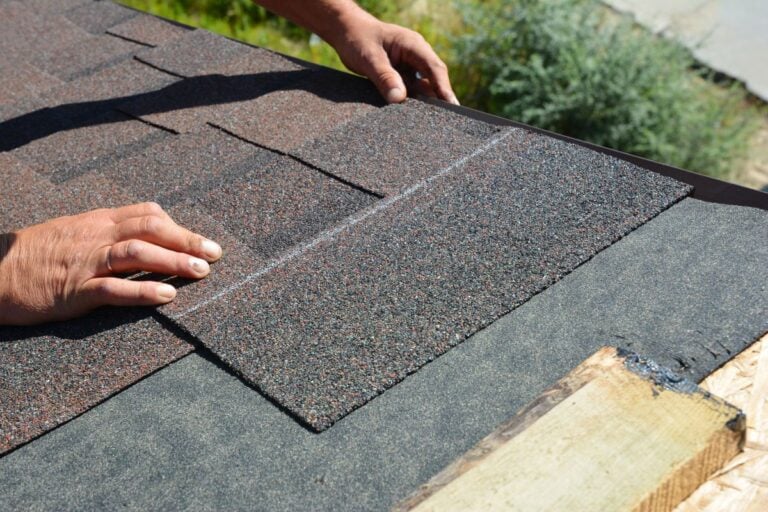
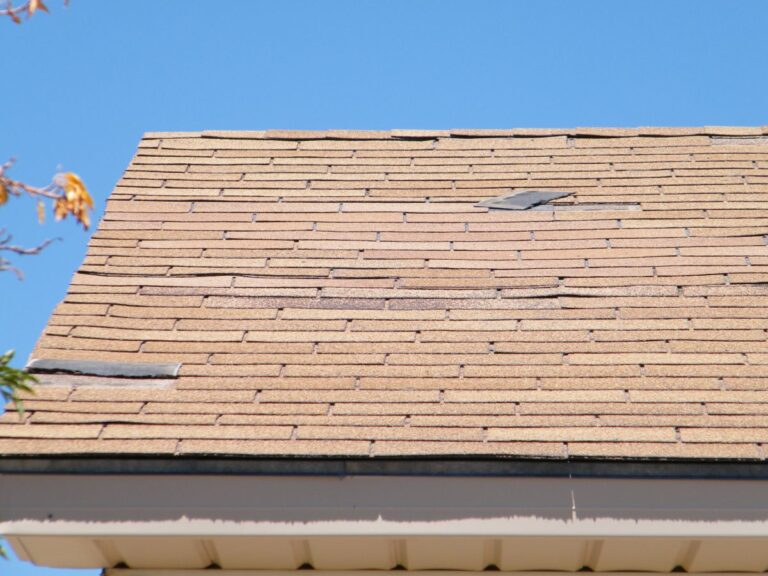
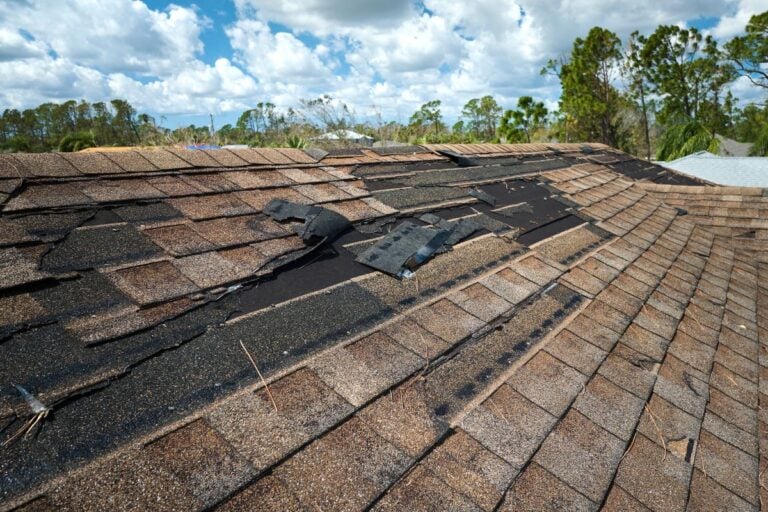
High winds can peel back shingles or rip them off completely. Even if they’re not missing, look for corners that appear raised or loose.
- Shingles lying in your yard or driveway
- Uneven edges or exposed underlayment on the roof
- Flapping sounds during strong wind gusts
2. Granule Loss
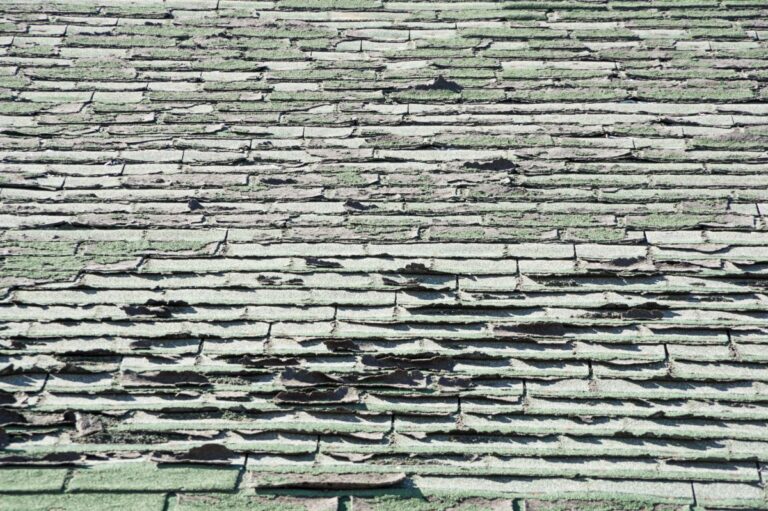
Shingles are coated in tiny granules to protect against UV rays. When wind dislodges them, your roof loses an important layer of defense.
- Check gutters for excessive granules
- Discoloration or “bald spots” on shingles
- Dull or patchy appearance from the ground
3. Damaged Flashing
Flashing seals roof joints and edges. It’s particularly vulnerable to wind, especially around chimneys, vents, and skylights.
- Bent or lifted metal flashing
- Gaps between flashing and the roof
- Rust or corrosion after exposure
4. Curled or Creased Shingles
Wind can bend shingles back, especially on older or brittle roofs. Once creased, they are no longer weather-tight.
- Visible lines or folds across shingles
- Curled edges that don’t lay flat
- Brittle texture if touched (have a pro confirm)
5. Interior Water Stains
Not all wind damage is visible from outside. Once the seal is broken, water can enter your attic or upper ceilings.
- Yellow or brown spots on ceiling drywall
- Damp insulation or musty smells in the attic
- Peeling paint or bubbling plaster near roof lines
6. Sagging Roof Deck
Strong winds can shift decking beneath the shingles. If sections of your roof appear uneven, this could indicate deeper structural issues.
- Waves or dips when viewed from the ground
- Roof surface feels soft or spongy underfoot (for pros only)
- Unexplained roofline changes since the last storm
What to Do if You Suspect Wind Damage
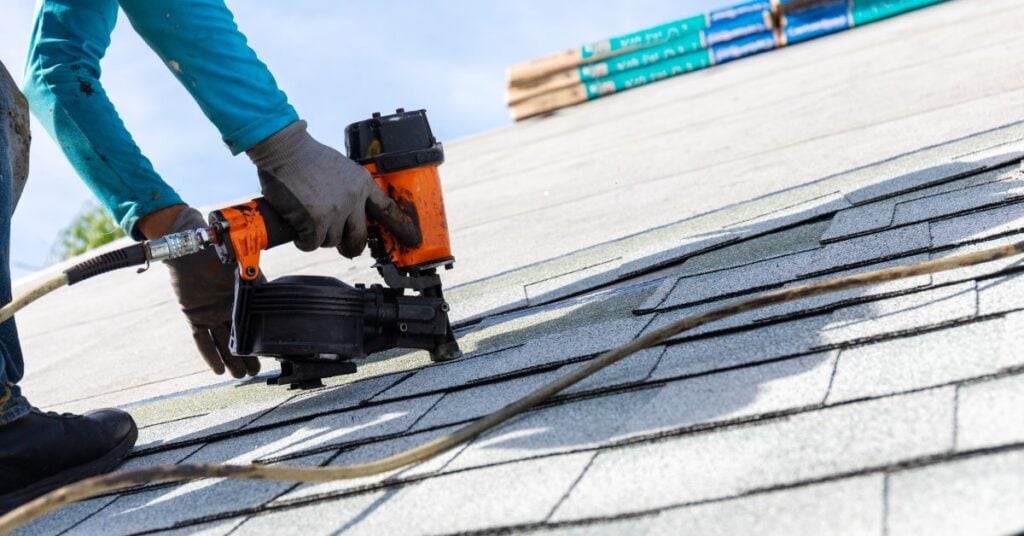
Taking swift action after spotting wind damage to roof areas can make all the difference. The longer you wait, the higher the chance of further roof and interior deterioration.
Schedule a Professional Inspection
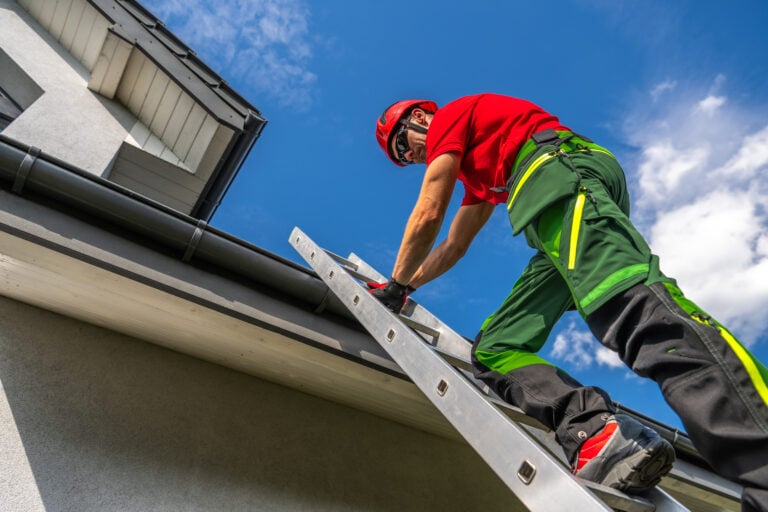
Even if you feel confident spotting issues from the ground, trained roofing contractors have the tools and safety equipment to assess the full extent of damage. This also ensures you get an accurate repair plan based on current building codes and material integrity.
Document Everything
Take clear photos of affected areas. This is especially important for insurance claims.
- Include date-stamped images
- Capture multiple angles of each issue
- Keep copies of weather reports from the storm
- Save receipts for temporary repairs
Review Your Insurance Policy
Many policies cover storm-related damage, but require fast reporting. Review your terms or contact your agent as soon as you suspect a problem.
- Check for exclusions and deductibles
- Understand claim timelines and paperwork
- Ask if you can choose your own contractor
Avoid DIY Fixes
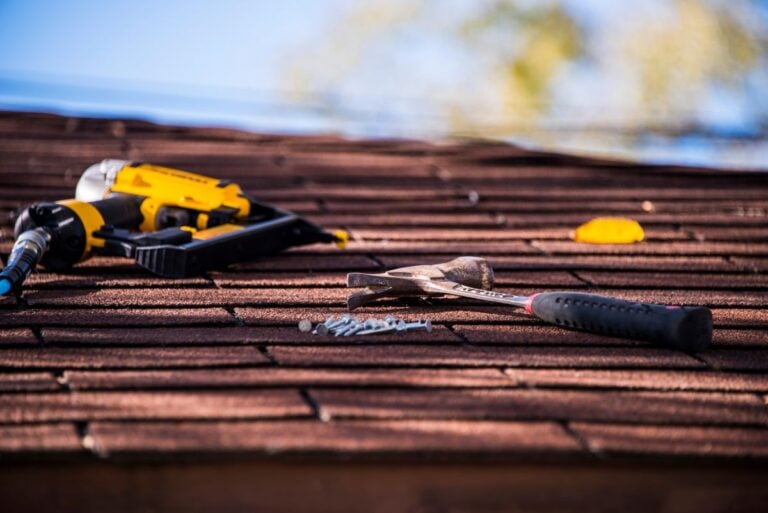
Tempting as it may be to reattach a shingle, improper repairs can void warranties and make damage worse. Leave it to professionals.
- DIY fixes may not address the underlying issue
- Improper tools can cause further material damage
- Insurers may deny claims if work wasn’t professionally done
Prevention Tips for Future Storms
The best defense against storm damage is a proactive plan. Preparing your roof in advance helps avoid emergency calls after bad weather hits.
Trim Trees and Branches
Falling limbs cause serious roof damage during storms. Keep trees at least 10 feet from the house when possible.
Reinforce Roof Anchors
Talk to your contractor about hurricane straps, improved fasteners, or re-nailing shingles to exceed local building codes.
Upgrade to Wind-Resistant Shingles
Modern roofing systems offer products tested for 110+ mph winds. Investing in these options can reduce long-term costs.
- Class F and Class H shingles provide the highest wind resistance
- Metal and synthetic options can add even more protection
- Ask about Owens Corning or similar certified products
Schedule Annual Roof Maintenance
Routine inspections and minor upkeep can catch small vulnerabilities before they become costly post-storm repairs.
- Schedule maintenance each spring and fall
- Ensure all roof penetrations are sealed
- Clean gutters to prevent water backup
Understand Your Local Risks
Homeowners in North Canton, OH and surrounding areas often experience sudden wind shifts due to regional weather patterns. Partnering with a roofer who understands local storm behavior ensures your home is prepared.
- Study past wind data in your zip code
- Build with climate-appropriate materials
- Choose contractors with Northeast Ohio experience
Material Matters: How Different Roofs Respond to Wind
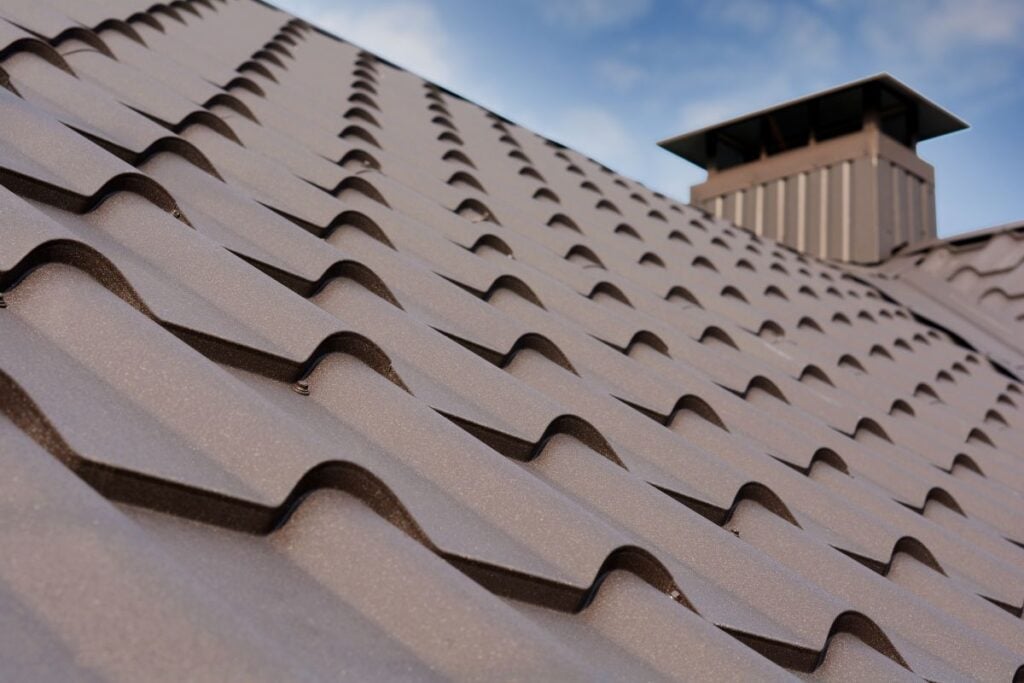
Not all roofing materials perform equally in high winds. The type of roof you have plays a big role in its ability to withstand storm events.
| Material Type | Wind Resistance | Common Issues |
| Asphalt Shingle | Moderate | Curling, loss, granules |
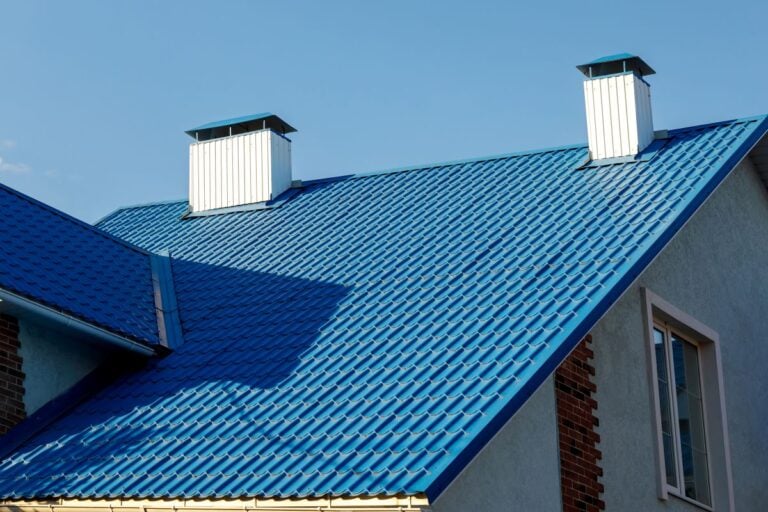
| Metal Roofing | High | Panel uplift, fasteners |
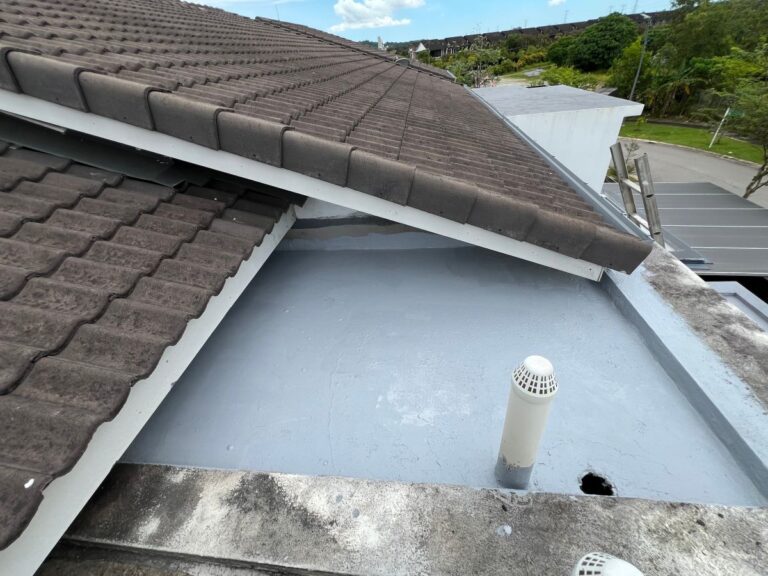
| Tile Roofing | Low to Moderate | Cracks, displacement |
| Slate Roofing | Moderate | Shifting, broken edges |
| Wood Shake | Moderate | Splitting, loosened fit |
Long-Term Protection with Keim Quality Roofing
Wind damage may not always be dramatic, but even subtle signs can create big issues if ignored. That’s why regular inspections and preventative care are essential to maintaining a healthy roof.
Keim Quality Roofing serves North Canton, OH and surrounding areas with trusted expertise and long-lasting workmanship. Whether you need post-storm repairs or peace of mind from a routine inspection, we’re here to help.
Contact us today to schedule your free estimate and protect your home from future storms.