What Is Fascia on a House? (And Why It Matters for Your Roof)
Most homeowners rarely think about their fascia boards—until there’s a problem. But this simple trim element does more than just add a finished look to your roofline. If you’ve ever asked yourself what is fascia on a house, understanding its purpose can help you spot issues early and protect your home. When it’s time to repair or replace key elements of your roof system, it’s smart to work with local professionals who specialize in full exterior protection, like those offering complete solutions throughout this helpful roofing guide.
Here’s what you’ll learn in this blog:
- What fascia does and why it matters for roof performance
- How fascia fits into your roofing system’s structure
- Signs of damage and what causes it
- How to maintain fascia to extend roof life
Why Fascia Plays a Critical Role in Your Roofing System
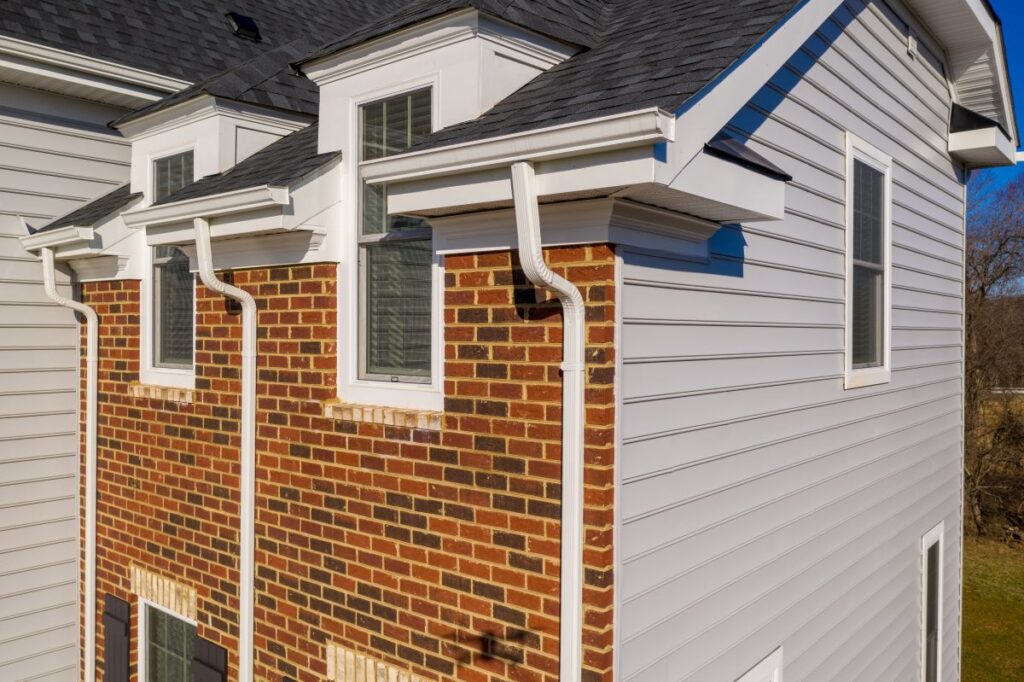
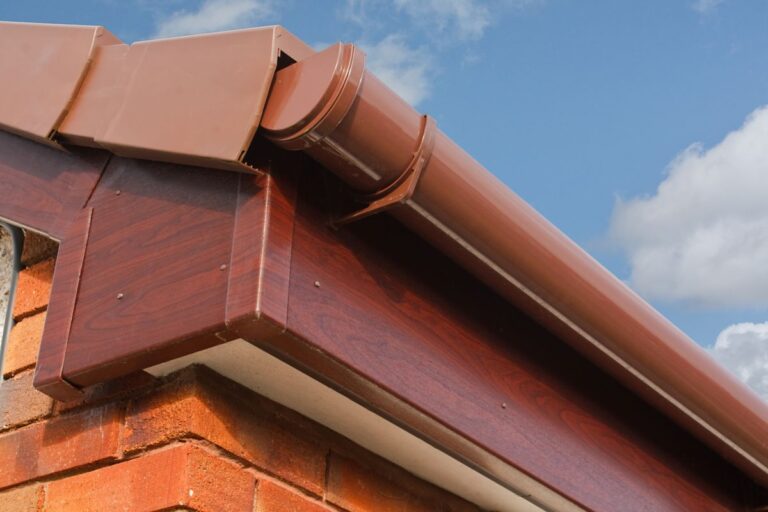
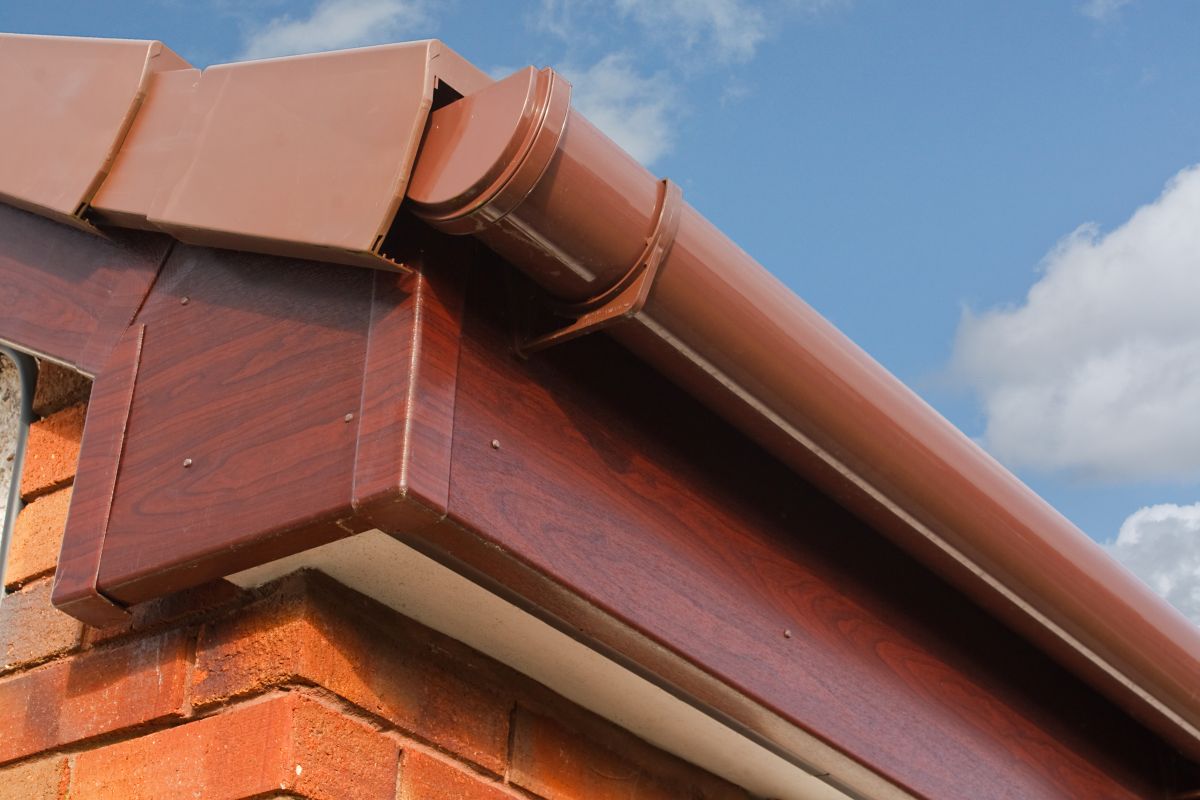
Fascia boards aren’t just decorative. They’re a structural and protective feature that helps hold everything together—from gutter placement to shingle overhang, which is why homeowners often ask, “what is fascia on a house?”
- Protects Roof Edges: Fascia acts as a barrier between the edge of the roof and the outdoors, keeping moisture, pests, and debris from seeping into the roofing structure.
- Supports Gutters: Your gutters are mounted directly onto the fascia, meaning it must be strong and rot-free to support drainage through every season.
- Boosts Curb Appeal: Clean, intact fascia boards add a finished look to your home, contributing to a polished exterior design.
- Improves Ventilation Flow: In many roof systems, fascia works alongside soffit vents to help control attic airflow and temperature.
- Prevents Water Intrusion: With proper flashing and gutter installation, fascia helps direct water away from the home’s structure, reducing the risk of rot and leaks.
5 Key Things to Know About Fascia Boards
Fascia might seem like a simple part of your roof, but there’s more to it than meets the eye—if you’ve ever wondered “what is fascia on a house,” these five essentials will help you better understand the role of fascia on your home in Canton, OH and surrounding areas.
1. Fascia Is Usually Made of Wood or Composite
Most homes have fascia boards made from pressure-treated wood, painted pine, or composite/PVC materials. Each option has pros and cons depending on durability, weather resistance, and aesthetic goals.
- Wood fascia is cost-effective and easy to paint but may be prone to rot if not properly sealed.
- Composite or PVC fascia is more resistant to moisture and insects but can be more expensive upfront.
- Aluminum-wrapped fascia is often used to cover and protect wooden fascia with low-maintenance benefits.
2. It Runs Along the Roofline Just Beneath the Shingles
Fascia sits at the edge of your roof, mounted to the ends of the rafters or trusses. It provides a clean line where your shingles stop and where your gutter system begins. Without fascia, your home would be exposed to the elements at a vulnerable point.
- Located at the eaves (lower edge of the roof)
- May also be found at the gable ends depending on roof style
- Can be installed with drip edge flashing to direct water off the roof
3. Gutter Performance Depends on Fascia Condition
Since gutters attach directly to fascia boards, any weakness in the fascia—like rot or warping—can impact how well your gutters work. If the fascia can’t support the weight of water-filled gutters, you may notice sagging or detachment during storms.
- Proper fascia condition prevents gutter overflow
- Strong fascia prevents long-term water damage to siding and foundation
- Repairs are often needed during gutter upgrades
4. Fascia Can Rot or Warp Over Time
Because fascia is exposed to the elements year-round, it’s prone to certain types of damage—especially if water or ice backs up under the shingles or gutters clog frequently.
Common causes of fascia damage:
- Ice damming during winter
- Clogged or overflowing gutters
- Poor flashing installation
- Aging paint or sealant wearing off
- Termite or insect infestation in wood fascia
5. Damaged Fascia Shouldn’t Be Ignored
If you notice peeling paint, soft spots, or sagging gutters around your home in Canton, OH and surrounding areas, it could point to fascia issues. Leaving damaged fascia in place can create larger roof problems, such as:
- Roof leaks
- Mold or mildew growth
- Insulation damage
- Higher utility bills due to attic moisture
- Structural damage to roof decking or rafters
How to Spot Fascia Damage and What to Do About It
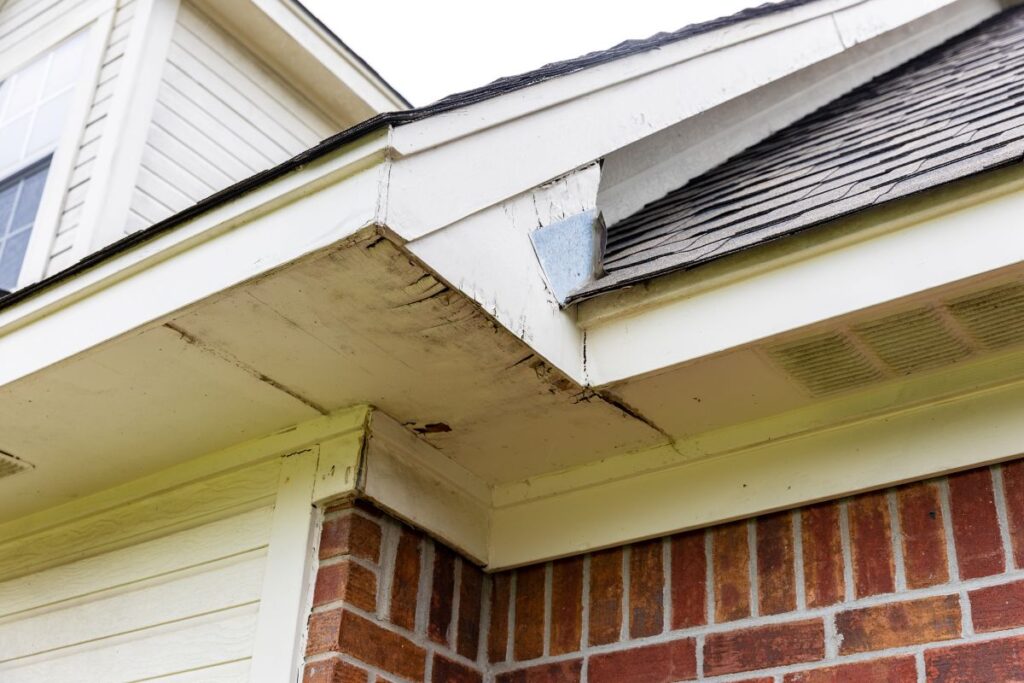
If you’ve ever wondered what is fascia on a house, knowing what to look for can help you act quickly when fascia trouble starts to show. Here’s a closer look at the signs and how to address them before they lead to expensive roof repairs.
Visual Signs of Fascia Problems
- Peeling or cracking paint: Indicates moisture may be present behind the surface.
- Soft or crumbling wood: Suggests rot, often from gutter leaks or ice dams.
- Mold or mildew growth: Visible staining or spore buildup is a sign of excessive moisture retention.
- Gutter pulling away from house: Fascia may be too weak to support the weight.
- Unexplained leaks inside walls or attic: Water may be entering behind the fascia and traveling down into the structure.
When to Replace vs Repair
- Repair fascia if the issue is minor, such as a small cracked section or paint failure. A contractor may be able to patch or seal the area if the material underneath is still solid.
- Replace fascia if rot has spread, the board is warped, or large portions are affected. This is especially true if it can no longer support the gutter system or is leading to water intrusion.
Inspection Tips
- Look at fascia during gutter cleanings or roof inspections.
- Check for signs of damage after heavy storms or long winters.
- Consider annual inspections if your home is surrounded by trees or prone to ice dams.
Fascia vs Soffit: What’s the Difference?
If you’ve been asking what is fascia on a house, it’s important to know that these two components are often confused—but both play critical roles in your roof’s health and ventilation system. Here’s how they differ and work together:
| Component | Location | Purpose | Materials |
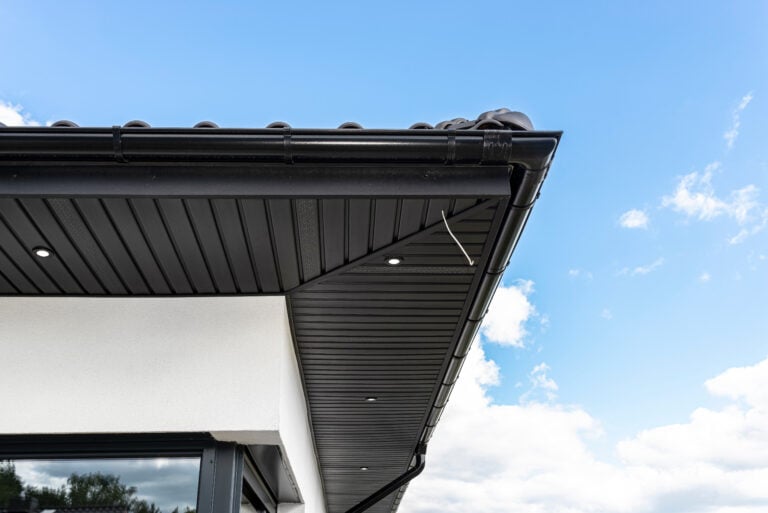
| Fascia | Vertical board along roof edge | Holds gutters, protects rafter ends | Wood, composite, PVC, aluminum |
| Soffit | Horizontal board under eaves | Provides attic ventilation | Vented aluminum, vinyl, wood |
Why Both Matter
- Airflow + Moisture Control: Soffits let fresh air into the attic, and fascia protects the entry point so moisture stays out.
- Appearance: Together, these boards create a clean, finished look that boosts curb appeal.
- Roof Longevity: Proper soffit and fascia design extends the lifespan of your roof by reducing moisture buildup and rot risk.
If one is damaged, it often affects the other. Replacing both at the same time may be recommended in older homes or when performing a full roof replacement.
Choosing the Right Fascia Material for Your Home
When learning what is fascia on a house, it’s important to understand that not all fascia boards are created equal. The best material for your home will depend on your budget, local climate, and how much maintenance you’re willing to take on.
Wood Fascia
- Pros: Affordable, easily painted, classic look
- Cons: Requires frequent sealing or painting; prone to rot without maintenance
Vinyl or PVC Fascia
- Pros: Low maintenance, moisture-resistant, long-lasting
- Cons: More expensive; limited paint options if color change is needed
Aluminum-Wrapped Fascia
- Pros: Offers a protective, low-maintenance outer layer over wood; resists peeling and warping
- Cons: Still relies on a solid wood base underneath; installation must be done properly to avoid trapping moisture
Composite Fascia
- Pros: Strong, insect-resistant, mimics real wood without rot
- Cons: Higher material cost; fewer color or texture options than wood
In areas like Canton, OH and surrounding areas where weather swings from harsh winters to wet springs, choosing a moisture-resistant option with strong durability is often the best long-term investment.
Maintenance Tips to Keep Fascia Boards in Top Shape
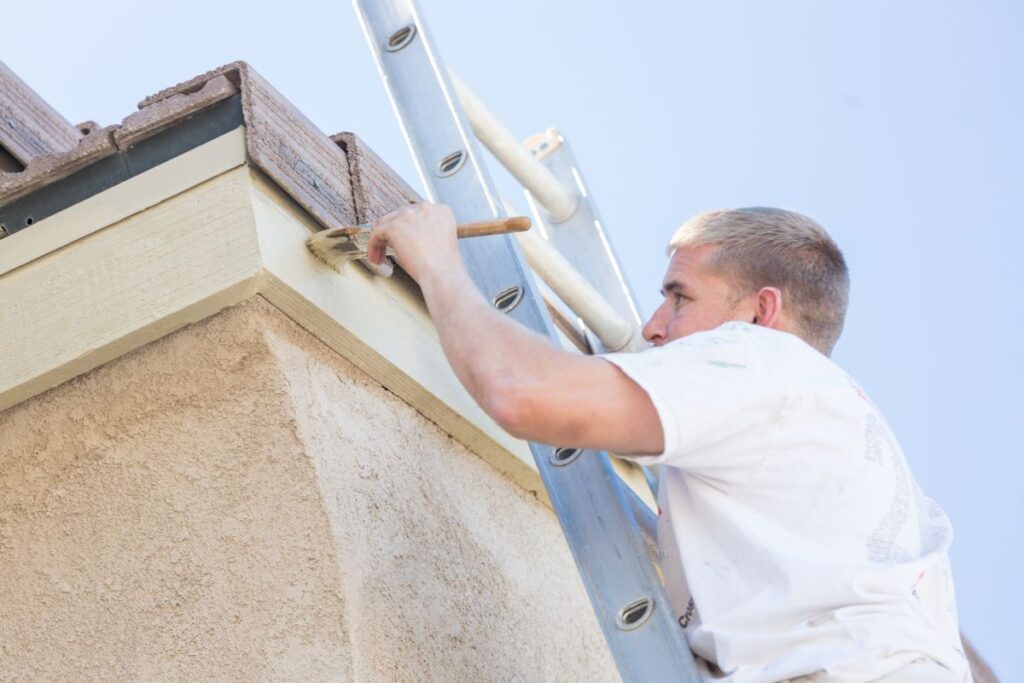
Caring for your fascia doesn’t require a huge time investment—but once you understand what is fascia on a house and the role it plays in protecting your roofline, a few proactive steps can go a long way.
- Clean Your Gutters Regularly: Prevent overflow that could soak fascia boards.
- Inspect After Storms: Look for visible damage after ice, wind, or heavy rain.
- Repaint or Reseal Wood Fascia: Maintain every few years to prevent exposure to moisture.
- Trim Overhanging Branches: Reduce debris buildup and minimize pest entry points.
- Schedule Professional Inspections: Let a roofing pro check for hidden damage that you might miss from the ground.
If you’re planning a new gutter installation or roof upgrade, it’s smart to include fascia replacement or repairs at the same time to save on labor costs and ensure a seamless fit.
Protect Your Roof from the Edges In
Your fascia boards may seem like a minor feature, but they’re essential to keeping your home dry, properly ventilated, and structurally secure. If you’ve ever found yourself asking what is fascia on a house, understanding its purpose can help you spot issues early. If you’re noticing signs of damage or planning a roofing update in Canton, OH and surrounding areas, be sure not to overlook this important component.
For long-term protection and peace of mind, it’s best to have a professional inspect and handle any necessary repairs. Keim Quality Roofing brings trusted local experience and full-service care to every roof system we touch. If your fascia looks worn, warped, or damaged, contact us today to schedule a thorough evaluation and receive expert recommendations. Let Keim Quality Roofing help you keep every edge of your home protected and looking its best.