
How to File a Roof Insurance Claim (A 7 Step Guide)
Storm damage can happen quickly, leaving homeowners unsure about what to do next. Filing a roof insurance claim may help cover the cost of repairs or replacement, but the process can feel confusing without the right guidance. Understanding how claims work and what steps to follow can make the experience much smoother. If you suspect your roof may have suffered damage, it helps to start with a professional inspection and learn more about protecting your home through reliable roofing solutions designed for homeowners.
In this guide, you will learn:
- When roof damage may qualify for an insurance claim
- The step by step process for filing a claim successfully
- Common mistakes homeowners should avoid during the process
- How working with a roofing professional can simplify the claim
Why Understanding Roof Insurance Claims Matters

Many homeowners pay for insurance every month but are not fully sure how claims work when damage actually occurs. Roof damage caused by storms, hail, or high winds is one of the most common reasons homeowners file insurance claims.
Understanding the claim process helps ensure you receive the coverage your policy provides while avoiding delays or complications.
Here are several important reasons homeowners should understand how roof insurance claims work.
- Financial Protection: Insurance claims can significantly reduce the cost of major roof repairs or full replacements after storm damage.
- Faster Recovery: Knowing the process helps homeowners act quickly after severe weather and prevent additional damage.
- Accurate Documentation: Properly documenting damage improves the chances that a claim will be approved.
- Avoiding Claim Mistakes: Many claims are delayed or denied because of incomplete information or missed deadlines.
- Better Communication with Adjusters: Understanding the process makes it easier to work with insurance representatives during inspections.
Homeowners in New Philadelphia, OH and surrounding areas experience strong storms throughout the year, making roof damage and insurance claims an important topic for protecting local homes.
7 Steps to Filing a Roof Insurance Claim
Filing an insurance claim may seem complicated, but the process becomes much easier when broken down into clear steps. Following these steps carefully helps ensure the claim moves forward smoothly.
1. Check for Signs of Roof Damage
After a severe storm, the first step is determining whether your roof may have been damaged.
Visible damage is not always obvious from the ground, but some signs can indicate a potential issue.
Common warning signs include:
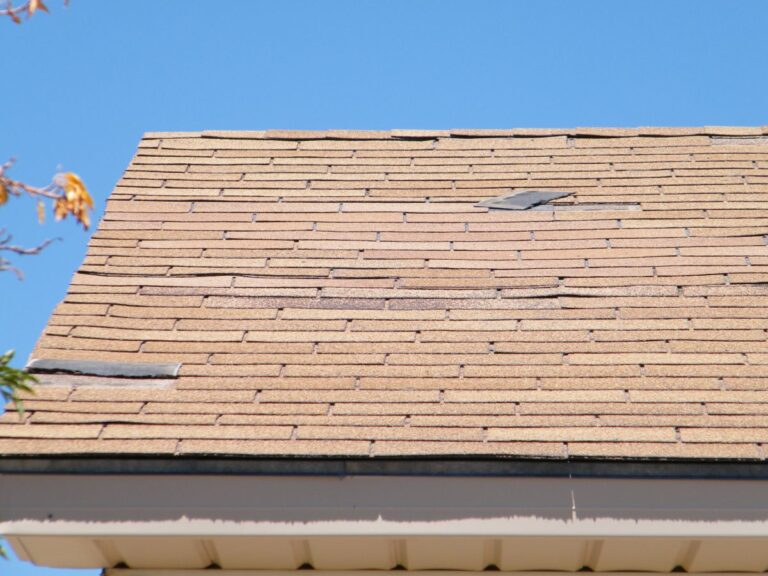
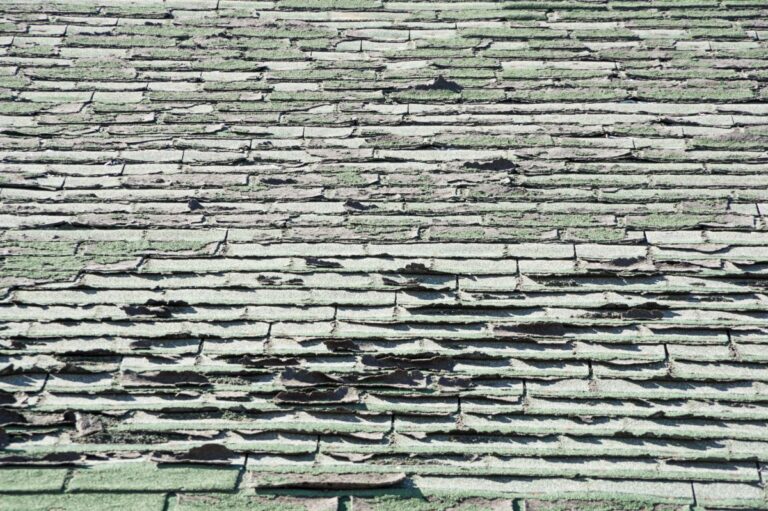
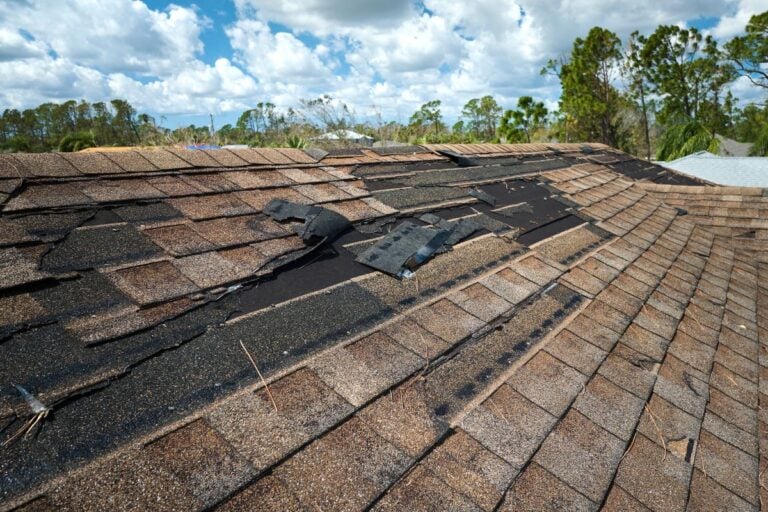
- Missing or lifted shingles
- Dents from hail impact
- Granules collecting in gutters
- Debris or branches on the roof
- Water stains appearing on ceilings
If you suspect damage, avoid climbing on the roof yourself. A professional inspection is the safest way to evaluate the condition of the roof.
2. Schedule a Professional Roof Inspection
Before contacting your insurance provider, many homeowners choose to schedule an inspection with a trusted roofing contractor.
An experienced contractor can identify storm related damage and determine whether filing a claim is appropriate.
A professional inspection may include:
- Documenting hail or wind damage
- Checking flashing, vents, and roof penetrations
- Photographing damaged areas
- Providing a detailed inspection report
For homeowners in New Philadelphia, OH and surrounding areas, working with a local roofing company familiar with storm damage can make the inspection process much more effective.
3. Review Your Insurance Policy
Before filing a claim, it is helpful to review your homeowner’s insurance policy to understand what types of damage are covered.
Most policies cover sudden storm damage but may not cover issues related to normal wear and tear.
Key policy details to check include:
- Deductible amount
- Coverage limits
- Type of roof coverage such as replacement cost or actual cash value
- Time limits for filing a claim after a storm
Understanding these details helps homeowners set realistic expectations before beginning the claim process.
4. File the Insurance Claim
Once roof damage has been confirmed, the next step is to contact your insurance company to begin the claim.
Most insurance providers allow homeowners to file claims in several ways:
- Online through a claim portal
- By phone through customer service
- Through a local insurance agent
During the filing process, you will typically need to provide information such as the date of the storm, the type of damage observed, and any documentation gathered during inspections.
It is helpful to keep detailed records of all communication during the claim process.
5. Meet with the Insurance Adjuster
After a claim is filed, the insurance company will usually send an adjuster to inspect the property.
The adjuster evaluates the damage and determines whether the claim qualifies for coverage.
During this inspection, the adjuster may:
- Examine the roof and surrounding property
- Take photos of damaged areas
- Measure affected sections of the roof
- Review documentation provided by the homeowner
Many homeowners choose to have their roofing contractor present during the adjuster visit. This ensures that all damage is properly identified and documented.
6. Review the Insurance Estimate
After the inspection, the insurance company will provide an estimate outlining what repairs are covered and how much the company plans to pay.
The estimate usually includes:
- Labor costs
- Material costs
- Removal of damaged roofing materials
- Waste disposal fees
If the estimate differs from the contractor’s assessment, additional documentation may be submitted to clarify the scope of repairs.
Homeowners in New Philadelphia, OH and surrounding areas often rely on experienced roofing contractors to help review insurance estimates and ensure that all necessary repairs are included.
7. Schedule Roof Repairs or Replacement
Once the claim is approved, the final step is scheduling the repair or replacement work.
The roofing contractor will coordinate with the homeowner to complete the project using the materials and scope outlined in the claim.
Typical steps during the repair phase include:
- Removing damaged roofing materials
- Repairing or replacing the roof deck if needed
- Installing new underlayment and shingles
- Cleaning up debris and inspecting the finished roof
Completing repairs quickly helps protect the home from additional damage and restores the roof’s ability to handle future storms.
Common Mistakes Homeowners Make During Roof Insurance Claims
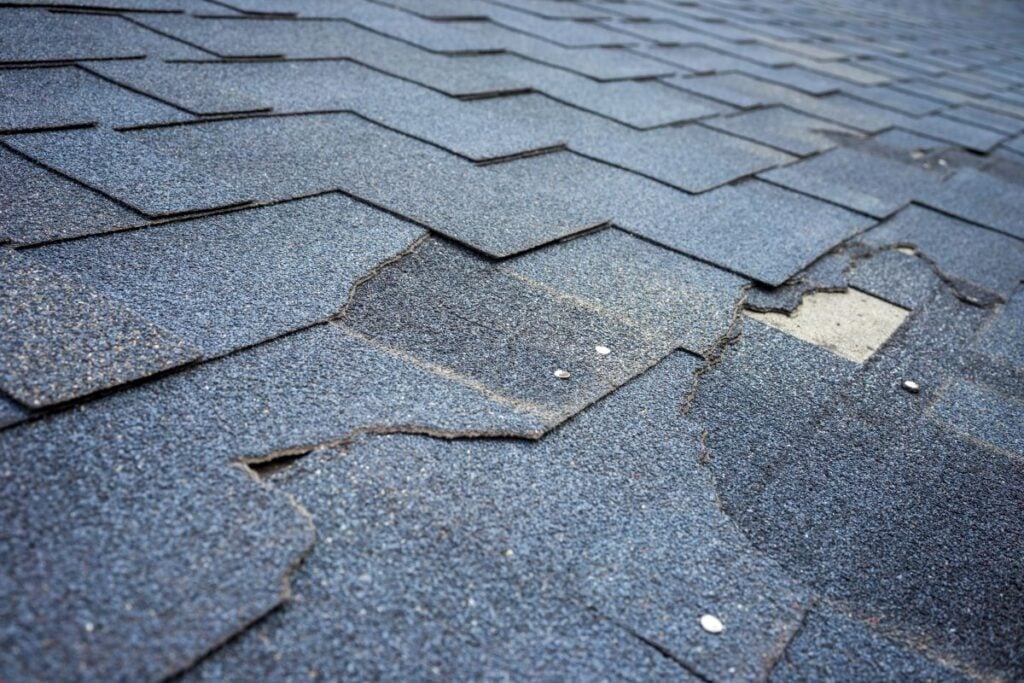
Even when homeowners follow the correct steps, several common mistakes can complicate the claim process. Understanding these pitfalls helps ensure the claim moves forward smoothly.
Waiting Too Long to File a Claim
Many insurance policies include deadlines for reporting storm damage. Waiting too long can make it difficult to prove that damage was caused by a specific storm.
Scheduling an inspection soon after severe weather helps prevent this issue.
Failing to Document Damage
Photographs and inspection reports are extremely valuable when filing an insurance claim. Without documentation, it may be harder to demonstrate the extent of roof damage.
Taking photos after storms and keeping inspection records helps strengthen a claim.
Attempting DIY Roof Repairs
Some homeowners attempt temporary repairs before contacting their insurance company. While preventing further damage is important, permanent repairs completed before an adjuster inspection may complicate the claim.
Temporary protective measures are usually acceptable, but permanent work should typically wait until the claim is reviewed.
Choosing an Inexperienced Contractor
Roof insurance claims require detailed documentation and communication with adjusters. Contractors without experience in this process may overlook important damage or fail to provide accurate estimates.
Working with experienced professionals helps ensure the claim process moves forward smoothly.
Homeowners in New Philadelphia, OH and surrounding areas often benefit from partnering with local contractors who understand how storm damage claims work in the region.
What Types of Roof Damage Are Usually Covered?
Not all roof problems qualify for insurance coverage. Understanding the difference between covered damage and normal aging helps homeowners know when a claim may apply.
Most policies cover damage caused by sudden events such as storms.
Commonly Covered Roof Damage
- Hail impact damage
- Wind lifted or missing shingles
- Fallen tree branches
- Storm related structural damage
- Lightning strikes
These types of damage occur suddenly and are usually considered unexpected events.
Typically Not Covered
Insurance policies usually do not cover issues caused by gradual deterioration.
Examples include:
- Aging shingles
- Lack of roof maintenance
- Long term water leaks
- Improper installation
Homeowners should review their policy details carefully to understand exactly what is covered.
Replacement Cost vs Actual Cash Value
Insurance policies may use two different methods to calculate payment.
| Coverage Type | What It Means |
| Replacement Cost | Insurance pays the full cost to replace the roof with similar materials |
| Actual Cash Value | Payment is reduced based on the roof’s age and depreciation |
Understanding which type of coverage applies can significantly affect how much a homeowner receives from a claim.
How a Roofing Contractor Helps with Insurance Claims
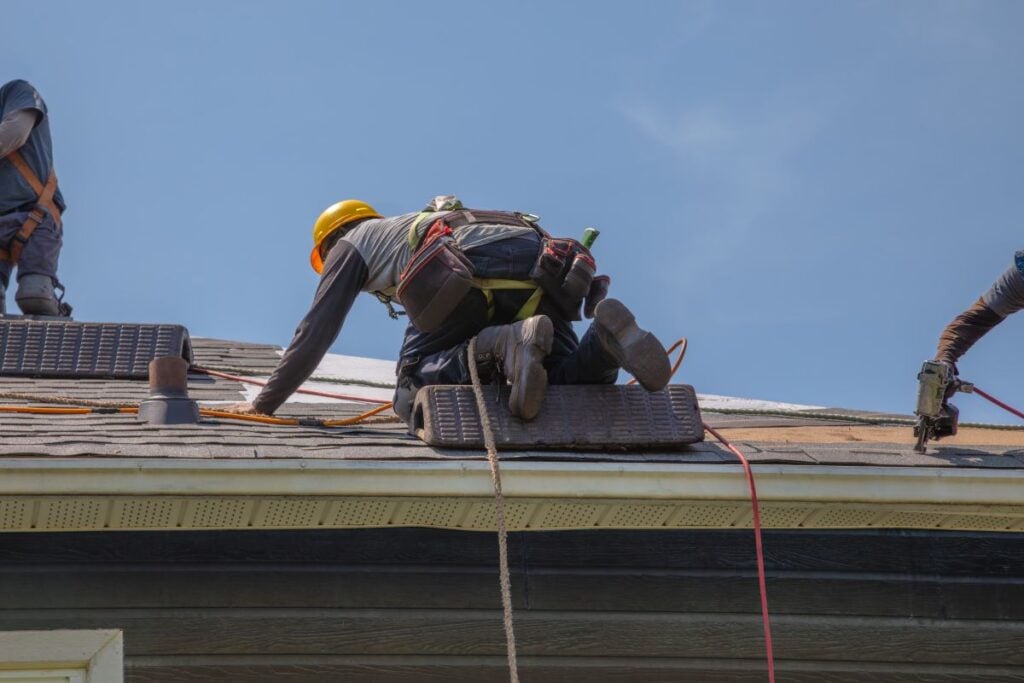
Filing an insurance claim is not something homeowners have to navigate alone. Experienced roofing contractors often play a key role in helping homeowners through the process.
Professional contractors can assist in several ways.
- Inspection Support: Identifying storm related damage that may not be visible from the ground.
- Documentation: Providing photos and reports that help support the claim.
- Adjuster Coordination: Meeting with insurance adjusters during inspections.
- Estimate Review: Ensuring repair estimates accurately reflect the scope of damage.
- Repair Execution: Completing the work once the claim is approved.
For homeowners in New Philadelphia, OH and surrounding areas, having a knowledgeable contractor involved can make the insurance process far less stressful.
Protect Your Home by Understanding the Roof Insurance Claim Process
Storm damage can leave homeowners feeling overwhelmed, but understanding the roof insurance claim process makes it easier to respond quickly and protect your property. By identifying damage early, documenting issues carefully, and following the proper steps, homeowners can improve their chances of a successful claim.
If your roof may have been damaged by a recent storm, the experienced team at Keim Quality Roofing is here to help guide you through the process. From professional inspections to working with insurance adjusters and completing high quality repairs, our team focuses on protecting homes in New Philadelphia, OH and surrounding areas.
If you suspect roof damage or need help navigating the claims process, contact us today to schedule an inspection with Keim Quality Roofing and restore your home with confidence.