Roof Flashing Explained: 6 Problems It Solves for Your Roof
A roof is designed to shed water, but some areas of your roof are more vulnerable than others. Chimneys, vents, valleys, and walls create small gaps where moisture can sneak inside. That is where roof flashing plays a critical role. This thin material directs water away from seams and prevents costly leaks. If you are exploring ways to keep your roof protected, it helps to understand how flashing works and how it fits into a complete roofing system like those discussed in modern roofing solutions for homeowners.
In this guide, you will learn:
- What roof flashing is and why it matters for your home
- The most common roofing problems flashing helps prevent
- Signs your flashing may need repair or replacement
- How professional installation protects your roof long term
Why Roof Flashing Is One of the Most Important Parts of Your Roof
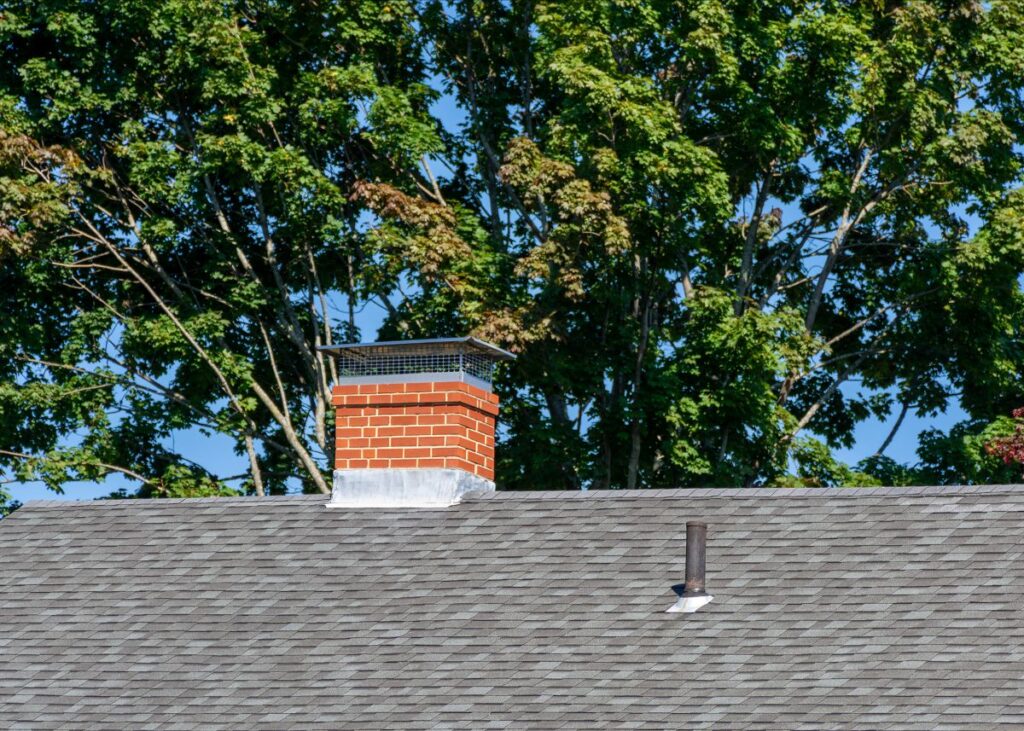
Many homeowners focus on shingles when thinking about roofing materials, but flashing often does the real work of preventing leaks. It acts as a protective barrier where roofing materials meet other structures or where roof sections intersect.
Without properly installed flashing, water can slip beneath shingles and slowly damage your home from the inside out. Flashing directs water away from these vulnerable areas so that rain flows safely into gutters instead of into your attic.
Here are some key reasons roof flashing is essential for protecting your home.
- Leak Prevention: Flashing seals roof joints and transitions where water is most likely to enter, helping keep moisture out of the structure.
- Structural Protection: By blocking water from reaching roof decking and framing, flashing helps prevent rot, mold growth, and structural deterioration.
- Storm Resistance: Proper flashing installation improves a roof’s ability to handle heavy rain and wind driven storms.
- Longer Roof Lifespan: A roof with well installed flashing tends to last longer because moisture damage is minimized.
- Interior Protection: Flashing prevents water from entering ceilings and walls, protecting insulation, drywall, and interior finishes.
Homeowners in Dover, OH and surrounding areas often deal with seasonal storms, heavy rain, and snow accumulation. These conditions make reliable flashing even more important for maintaining a watertight roof.
6 Problems Roof Flashing Helps Solve
Roof flashing may seem like a small component, but it addresses several major issues that can otherwise lead to serious roof damage. Understanding these problems helps homeowners appreciate why professional installation is so important.
1. Preventing Chimney Leaks
Chimneys are one of the most common places where roofs leak. The point where masonry meets roofing materials creates a natural gap that water can enter if it is not properly sealed.
Flashing around chimneys usually includes several layered pieces designed to redirect water away from the chimney base.
This system often includes:
- Step flashing installed alongside the chimney
- Counter flashing embedded into the chimney masonry
- Base flashing positioned under surrounding shingles
Together, these components create a layered barrier that keeps water moving off the roof instead of into your home.
2. Protecting Roof Valleys
Roof valleys form where two roof slopes meet. These areas naturally collect large amounts of water during storms.
Flashing installed beneath valley shingles helps direct water safely down the roof while preventing it from soaking into underlying materials.
Without proper flashing in valleys, homeowners may notice:
- Leaks during heavy rain
- Accelerated shingle wear
- Water staining on ceilings near valley lines
Valley flashing is especially important for homes in Dover, OH and surrounding areas where strong storms and heavy rainfall can put extra stress on roofing systems.
3. Sealing Roof Penetrations
Many roofs contain several penetrations that interrupt the surface of shingles.
Common penetrations include:
- Plumbing vents
- Exhaust vents
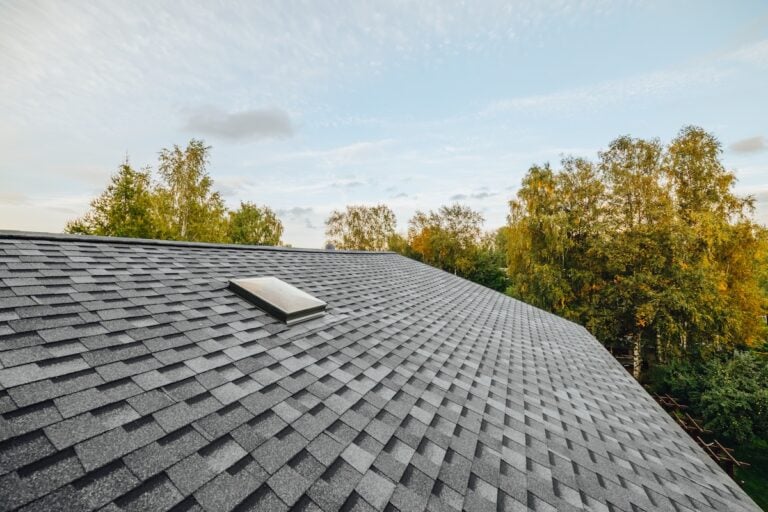
- Skylights
- Satellite mounts
Each penetration creates a small opening that must be sealed carefully. Flashing collars or boots are installed around these penetrations to create a waterproof seal.
If flashing around roof penetrations deteriorates, water can enter quickly and damage insulation, drywall, and wood framing.
4. Protecting Roof to Wall Intersections
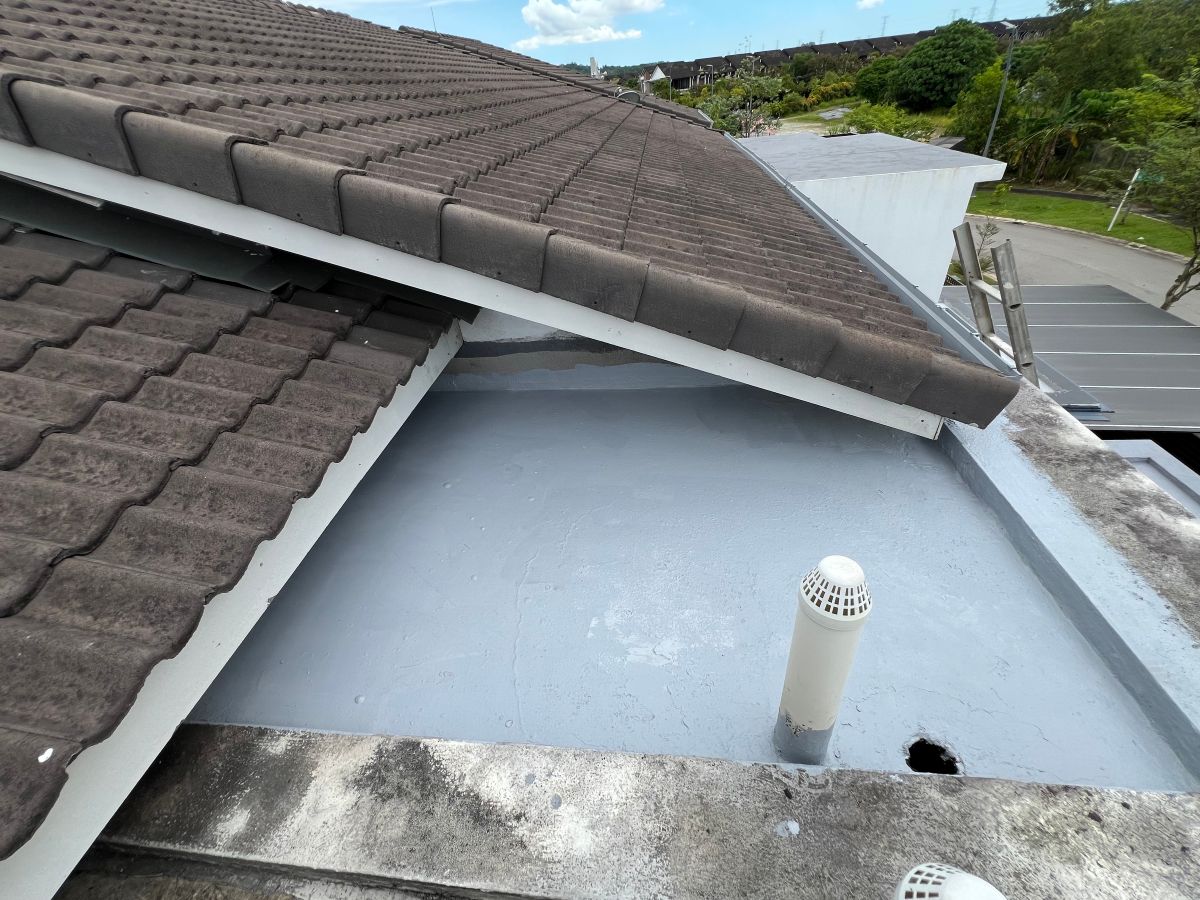
Where a roof meets a vertical wall is another vulnerable area. This is commonly seen where a garage roof meets the side of a house or where dormers connect to the main roof.
Step flashing is typically used in these locations. Small metal pieces are layered with each row of shingles to guide water down the roof and away from the wall.
Without this layered flashing system, rainwater can run directly behind siding and seep into the structure.
5. Stopping Wind Driven Rain
Heavy storms often push rain sideways across the roof. Wind driven rain can penetrate small gaps that would normally remain dry during lighter rainfall.
Flashing strengthens the seal around these areas so that water cannot force its way beneath shingles or siding.
Homes in Dover, OH and surrounding areas frequently experience strong storms that make wind resistant flashing installation essential.
6. Preventing Hidden Water Damage
One of the most dangerous aspects of roofing leaks is that they often develop slowly and go unnoticed.
Without flashing, small amounts of water may seep into the roof deck over time. This moisture can lead to:
- Mold growth in attic spaces
- Wood rot in roof framing
- Damaged insulation
- Ceiling stains and drywall deterioration
Flashing prevents this slow buildup of hidden moisture by directing water away from sensitive areas.
Types of Roof Flashing Homeowners Should Know
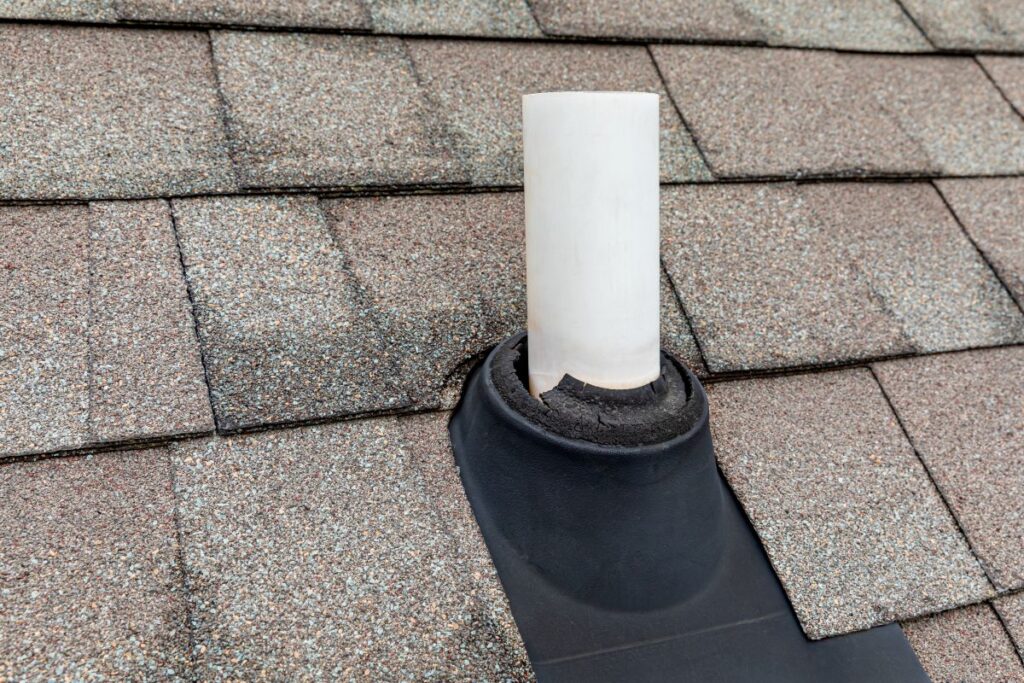
Not all flashing is the same. Different areas of a roof require specific flashing styles designed to handle water flow in different ways. Understanding the common types helps homeowners recognize where flashing should be installed.
Step Flashing
Step flashing is used where a sloped roof meets a vertical wall. Each piece of flashing overlaps the shingle below it, forming a layered pattern that guides water downward.
This method is particularly effective because it works with gravity to move water away from vulnerable seams.
Valley Flashing
Valley flashing protects the channel where two roof slopes intersect. Because these areas carry the highest concentration of water, durable metal flashing is often installed beneath shingles for added protection.
Vent Pipe Flashing
Vent pipes require a circular flashing boot that seals the opening around the pipe. These boots often include rubber or flexible collars that create a watertight fit.
Over time, these collars can deteriorate from UV exposure, making inspection and replacement important.
Chimney Flashing
Chimneys require a multi piece flashing system. Base flashing, step flashing, and counter flashing work together to prevent water intrusion at the chimney base.
Because chimneys expand and contract with temperature changes, proper installation is especially important.
Drip Edge Flashing
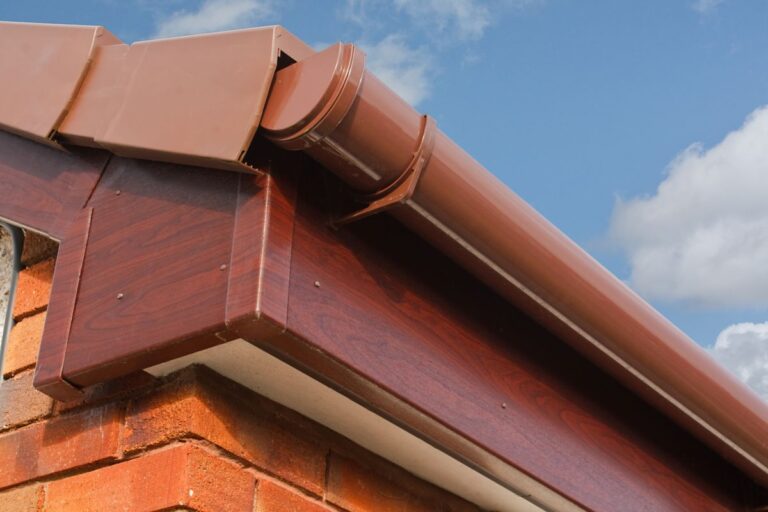
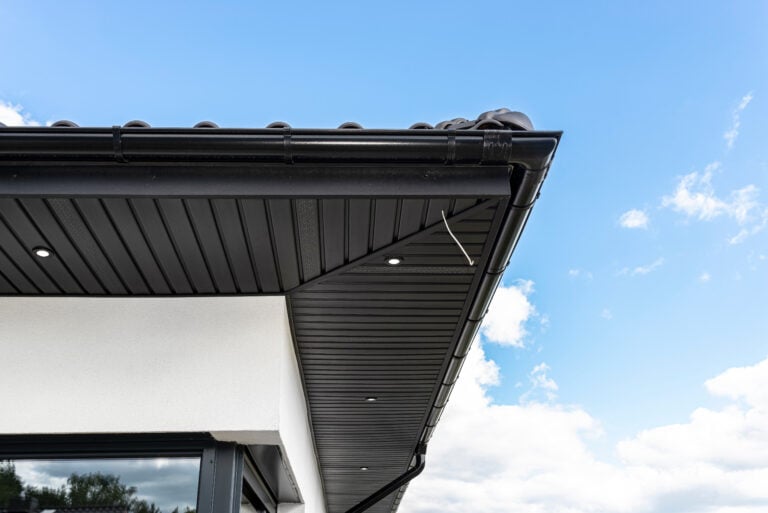
Drip edge flashing is installed along roof edges. It directs water away from the fascia and into the gutters, helping protect the roof deck and trim boards.
Although it may not be as noticeable as other flashing components, drip edge plays a key role in managing water runoff.
Signs Your Roof Flashing May Need Repair or Replacement
Even the best flashing materials eventually wear down. Weather exposure, temperature fluctuations, and aging materials can weaken flashing over time.
Homeowners should keep an eye out for early warning signs that flashing may need attention.
Visible Rust or Corrosion
Metal flashing can corrode after many years of exposure to moisture and air. Rust spots or flaking metal may indicate that the flashing is losing its protective ability.
Cracked Sealant
Sealant is often applied around flashing edges for added protection. If the sealant cracks or pulls away from surfaces, water may begin to seep underneath.
Loose Flashing Sections
Flashing should remain tightly secured to the roof and surrounding structures. If pieces begin to lift or shift, wind and water can easily work their way beneath the material.
Interior Water Stains
Water stains on ceilings or walls may indicate flashing failure around chimneys, skylights, or roof penetrations. Because flashing problems often occur at roof joints, leaks may appear in unexpected areas inside the home.
Homeowners in Dover, OH and surrounding areas should consider periodic roof inspections, especially after severe storms, to ensure flashing remains in good condition.
Roof Flashing Materials Compared

Flashing can be made from several different materials. Each option offers unique benefits depending on the roofing system and environmental conditions.
| Material | Durability | Common Use |
| Aluminum | Lightweight and corrosion resistant | Chimneys, vents, and valleys |
| Galvanized Steel | Strong and affordable | General flashing applications |
| Copper | Extremely durable and long lasting | Premium roofing systems |
| Lead | Flexible and easy to shape | Complex roof penetrations |
The best material often depends on the type of roof and the level of durability required.
For homes in Dover, OH and surrounding areas, durable metal flashing is commonly used because it handles seasonal weather changes effectively.
Protect Your Roof with Proper Flashing
Roof flashing may not be the most visible part of a roofing system, but it plays a critical role in keeping your home protected from water damage. By sealing roof joints, protecting vulnerable transitions, and directing water away from sensitive areas, flashing helps prevent leaks that could otherwise cause serious structural problems.
If you notice signs of flashing damage or suspect your roof may be vulnerable to leaks, it is important to have the issue addressed quickly. The experienced team at Keim Quality Roofing understands how proper flashing installation protects homes in Dover, OH and surrounding areas from costly water damage.
For expert inspections, repairs, or full roof replacements, contact us today and the professionals at Keim Quality Roofing will help ensure your roof stays secure and watertight for years to come.