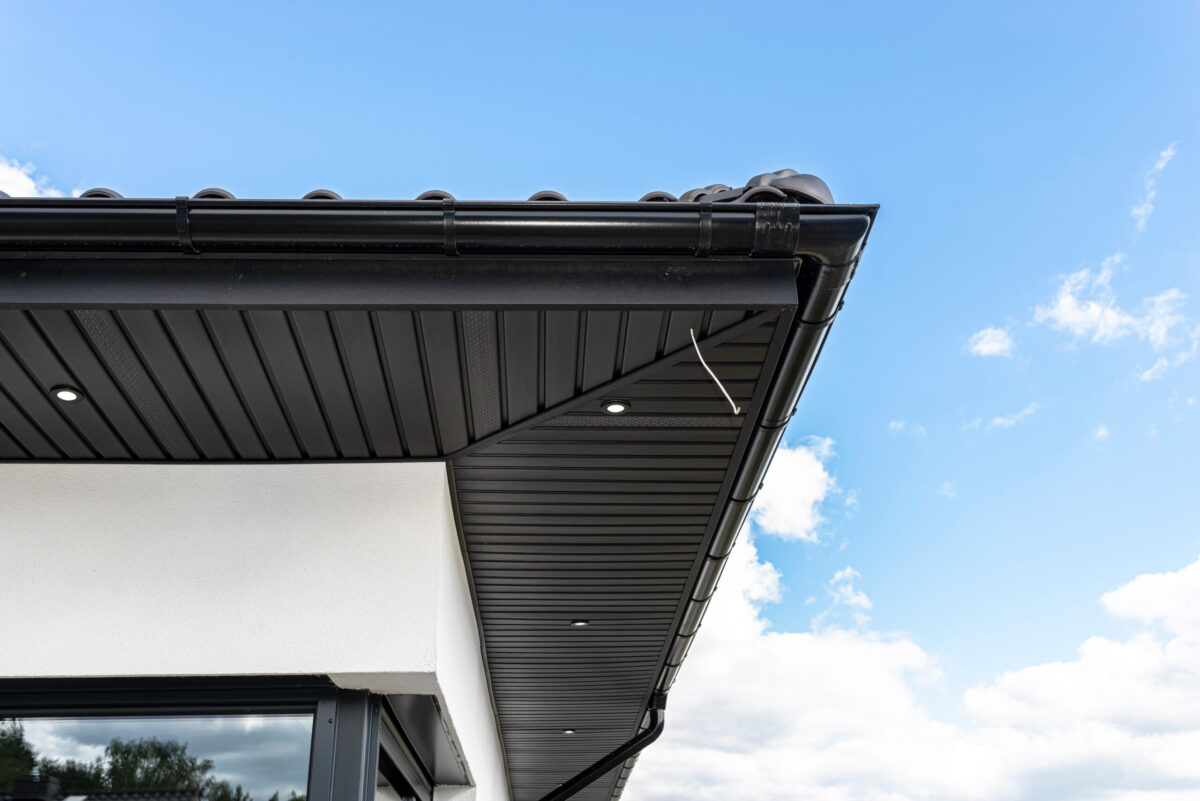
Roof Eaves Explained: What They Are & Why They Matter
When it comes to protecting your home, the little things often make the biggest difference. One feature that many homeowners overlook is the roof eaves, even though they play a critical role in your home’s defense against the elements. These overhangs may seem simple, but they affect everything from water drainage to attic ventilation and even the appearance of your roofline. If you’re noticing moisture issues, pest problems, or peeling paint near the top of your exterior walls, the eaves might be the root of it all.
Understanding how this part of your roof functions can help you avoid costly repairs down the line. It’s also a key topic during regular inspections, which you can learn more about by exploring how your full roofing system works together to protect your home.
Here’s what you’ll take away from this blog:
- A simple explanation of what roof eaves are
- Why they matter for water control, ventilation, and energy savings
- Common problems and what causes them
- Maintenance tips every homeowner should follow
- How to tell when it’s time for repair or replacement
Why Roof Eaves Matter More Than You Think
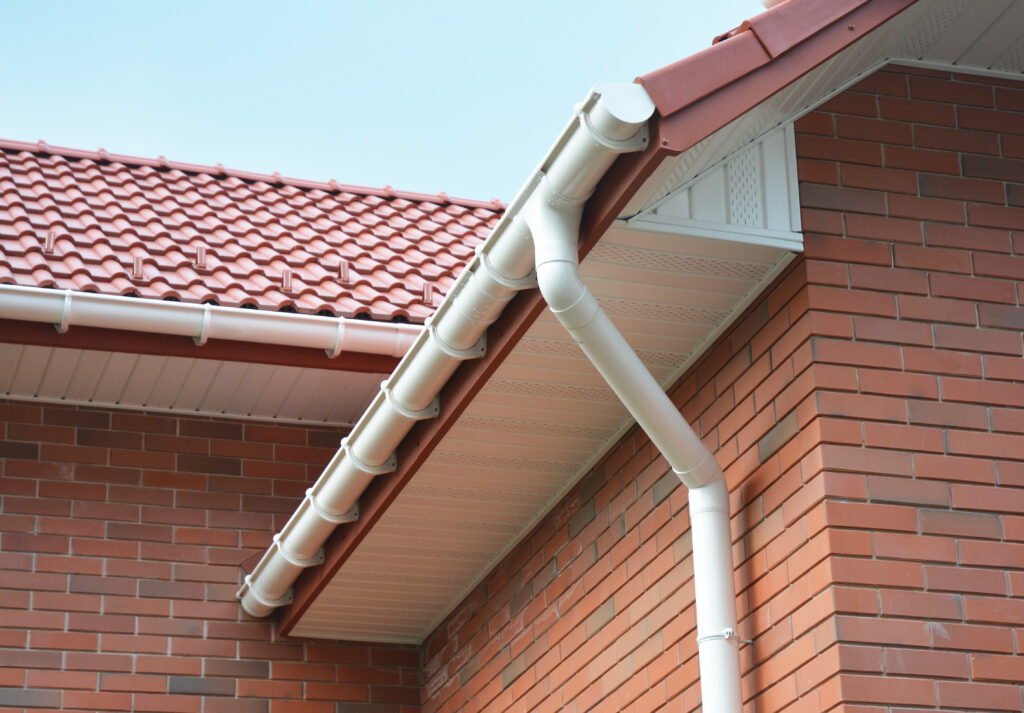
Roof eaves aren’t just decorative—they serve practical purposes that impact your roof’s longevity and your home’s health. Whether you live in Massillon, OH and surrounding areas or anywhere with varied seasons, eaves offer year-round benefits that make them worth your attention.
- Water Protection: Eaves help divert rainwater away from your home’s siding and foundation, reducing the risk of water damage, erosion, and mold.
- Ventilation Support: Many eaves are vented, which allows fresh air to flow into the attic and helps regulate your home’s temperature year-round.
- Energy Efficiency: Properly functioning eaves reduce the strain on your HVAC system by improving airflow and maintaining consistent indoor temperatures.
- Aesthetic Appeal: Eaves frame the home and roofline, adding depth and character to your property.
- Pest Prevention: Sealed and vented eaves help keep birds, insects, and rodents from nesting in your attic or rafters.
4 Key Functions of Roof Eaves
Understanding what eaves do can help you recognize their value in a well-built roofing system. Let’s look at the four main reasons they’re so important.
1. They Extend the Roofline for Better Water Shedding
Eaves project beyond the edge of your home to keep rain, snow, and runoff away from the walls and foundation. Without this feature, water would drip straight down the siding, leading to:
- Staining or deterioration of siding materials
- Potential leaks into windows and basement walls
- Greater risk of soil erosion near your home’s base
This is especially important for homes in Massillon, OH and surrounding areas, where freezing rain and heavy storms are not uncommon. Extending the roofline can prevent water-related issues before they start.
2. They Support Ventilation and Temperature Control
Eaves often include soffit vents, which allow outside air to circulate through the attic. This airflow is critical to:
- Prevent ice dams in winter by keeping the roof cold
- Reduce moisture buildup that could lead to mold or rot
- Lower energy costs in the summer by letting hot air escape
When attic air becomes stagnant, it creates a breeding ground for mold and drives up cooling costs in warmer months. Functional eaves are a key part of a balanced ventilation system.
3. They Provide Structural Balance and Aesthetic Framing
From a design standpoint, eaves give the roof visual definition and balance. Whether your home is craftsman-style, colonial, or modern, eaves:
- Add architectural interest to the roofline
- Enhance symmetry and curb appeal
- Offer subtle shade along the top of the walls
Good curb appeal isn’t just about looks—it can impact home value. A clean, well-framed roofline is a small detail that leaves a lasting impression.
4. They Act as a Barrier Against the Elements
Eaves help guard your home’s exterior from constant exposure to wind, rain, and UV rays. When paired with drip edges and flashing, they:
- Direct water away from roof decking and fascia boards
- Reduce the need for frequent repainting or siding repair
- Protect windows and doors from moisture intrusion
This protective function adds to the overall durability of your roofing system, reducing the frequency of costly exterior repairs.
What to Know About Eave Components and Styles

Not all eaves are built the same, but they typically include a few main parts. Each piece plays a role in performance and durability.
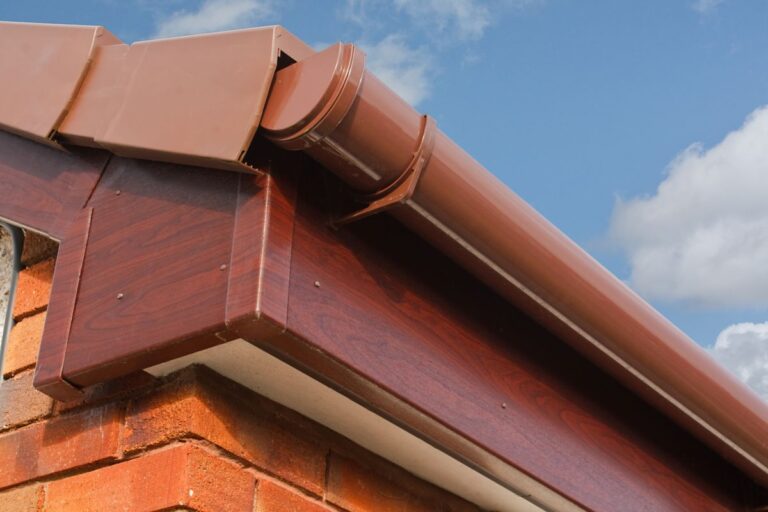
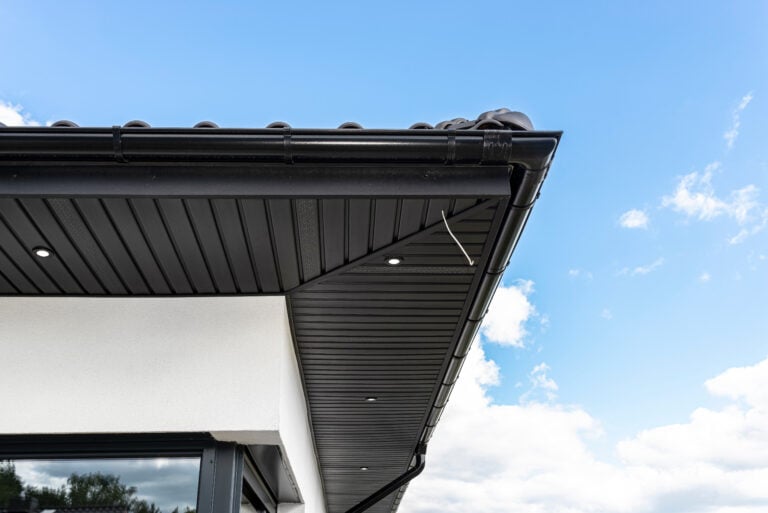
- Fascia Board: The vertical finishing edge attached to the end of the rafters. It supports the lower edge of the roof and provides a surface for mounting gutters.
- Soffit: The underside of the eave, often vented. It helps ventilate the attic and protect rafters from exposure.
- Drip Edge: A metal flashing installed at the edge to direct water away from the fascia and into the gutters.
- Gutters: Attached to the fascia, they collect and move water away from the home.
Closed vs. Open Eaves
There are two general types of eave construction:
- Closed Eaves: These have soffits that conceal the underside of the roof overhang. They’re more common in cold climates and provide a finished look.
- Open Eaves: These leave the rafters exposed underneath. While they offer a rustic aesthetic, they can be more susceptible to pest intrusion if not sealed properly.
Each type has its pros and cons depending on regional climate, architecture, and your home’s design preferences.
Warning Signs Your Roof Eaves Need Attention
Homeowners in Massillon, OH and surrounding areas often experience seasonal weather extremes that can wear down roof components, including eaves. Here are some red flags that signal it’s time to take a closer look:
- Peeling Paint or Stains: Moisture trapped in or around the soffit can lead to bubbling paint or dark spots.
- Gutter Problems: Eaves and gutters work together. If your gutters are pulling away, sagging, or overflowing, the fascia may be damaged.
- Animal Activity: Scratching sounds, visible nests, or droppings near your roofline could indicate pests using the eaves as entry points.
- Ventilation Trouble: If your attic is unusually hot in summer or you see condensation in winter, your soffit vents may be blocked or missing.
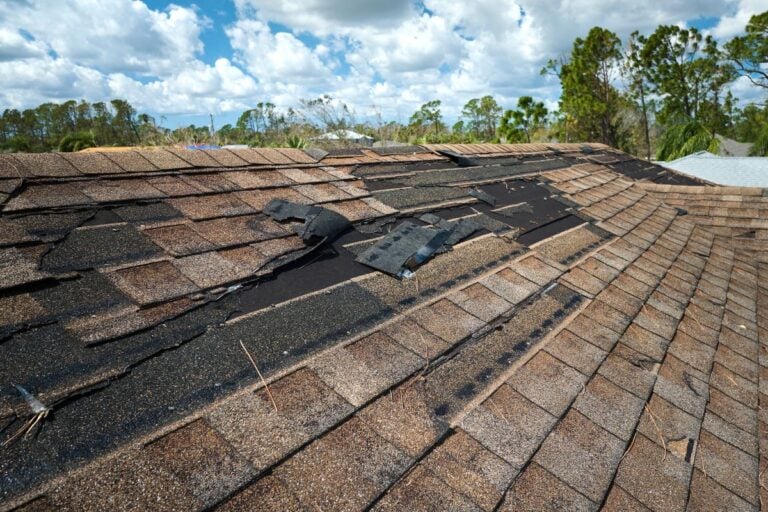
- Visible Rot or Sagging: Wood rot on the fascia or soffit can cause parts of the eave to droop or crumble.
Early intervention can prevent small problems from becoming big repairs, especially in homes where weather-related wear and tear is common.
Eave Maintenance Tips Every Homeowner Should Know
Keeping your eaves in great shape doesn’t require a massive effort. A few basic routines can help you avoid major issues.
Clean Gutters Seasonally
When gutters are clogged, water backs up and spills over the eaves. This causes moisture damage to both the fascia and siding. Clean them out:
- Twice a year (spring and fall)
- After major storms
- Anytime you see visible debris
Look for Discoloration or Damage
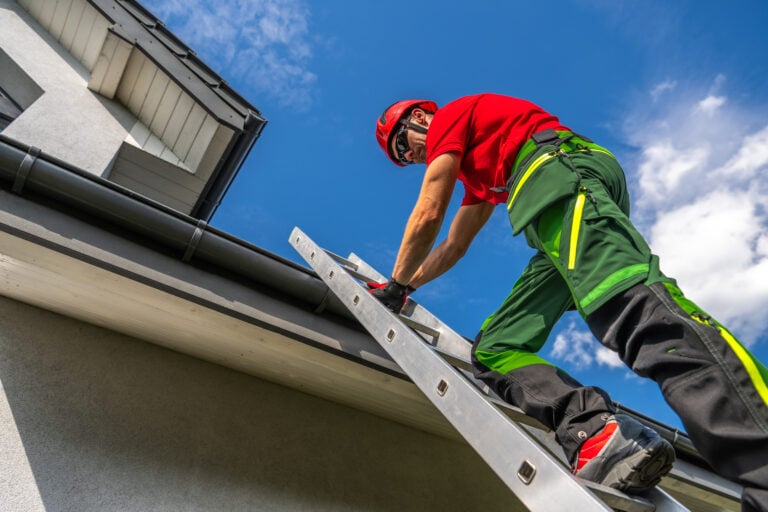
Use binoculars or safely climb a ladder to inspect your soffits and fascia. Look for:
- Peeling paint
- Rust spots on drip edges
- Sagging or cracked wood
Check for Pest Entry Points
Even small holes can let in rodents, bats, or wasps. Block or seal any gaps you find and call pest control if needed.
Hire a Roofing Pro for Routine Checks
Annual inspections help you catch hidden issues before they escalate. A trained roofer can check for structural issues, vent blockages, and sealant wear that you might miss.
How Roof Eaves Fit Into Your Roofing System
Eaves are more than edges—they’re a key part of the full roofing system that works to protect your home. Here’s how they integrate with other roof components:
| Roofing Component | Role in Coordination with Eaves |
| Ice & Water Barrier | Installed along eaves to prevent moisture intrusion |
| Attic Insulation | Works with vented eaves to reduce heat and humidity |
| Ridge & Gable Vents | Require soffit vents in eaves to ensure balanced airflow |
| Flashing & Sealants | Prevent leaks where eaves meet exterior walls |
Together, these parts help maintain roof health, indoor comfort, and long-term efficiency.
If you’re replacing your roof or planning renovations, make sure the eaves are included in the scope. It’s a small detail that can have a big impact on how well your investment performs over time.
Schedule a Professional Eave Inspection Today
Roof eaves are one of the most underappreciated parts of your home—but they have a big job to do. Whether you’re concerned about water damage, ventilation, or just improving your home’s appearance, it’s worth taking a closer look. A solid eave structure supports the entire roofing system and contributes to your home’s comfort and safety.
If you live in Massillon, OH and surrounding areas, contact us today for a full inspection or repair assessment. Keim Quality Roofing is here to help protect your home from the top down.