Curling Shingles: 6 Common Causes (and How to Fix Them)
Roof problems often start small but can grow into expensive repairs if left unchecked. One of the most visible early warning signs is curling shingles—a clear indicator that your roof may be compromised. Whether you’re preparing for a roof inspection or noticing irregularities from the ground, it’s essential to know what curling means, what causes it, and how to handle it. For homeowners in areas like North Canton, OH and surrounding areas, learning about these signs can help you protect your home and explore trusted solutions when working with a team that prioritizes long-lasting roof performance.
Here’s what you’ll learn in this guide:
- What curling shingles actually are and why they matter
- The most common causes behind curling
- What repairs may be possible vs when a full replacement is needed
- How to prevent curling shingles in the future and protect your investment
Why Curling Shingles Are More Than Just a Cosmetic Issue
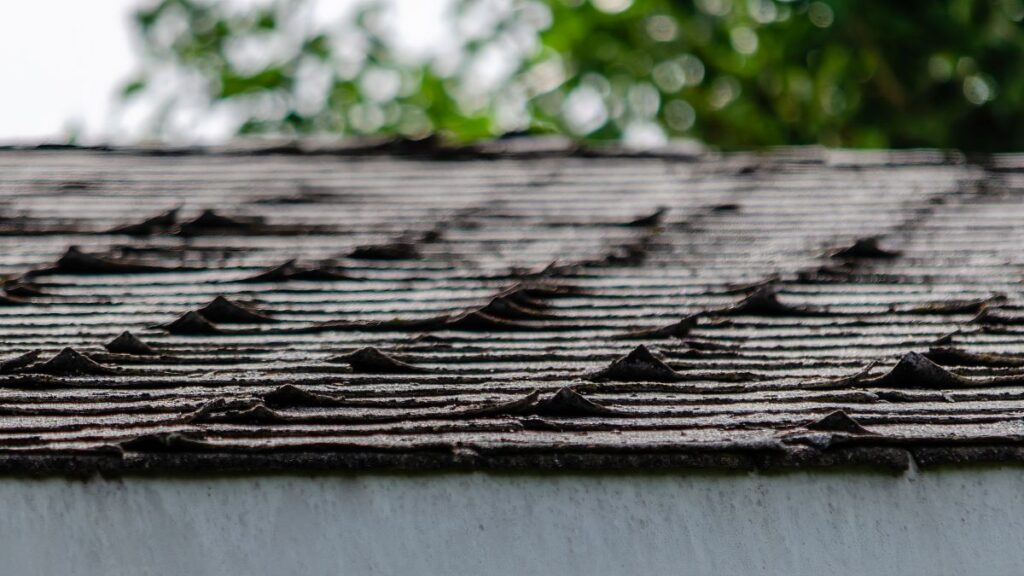
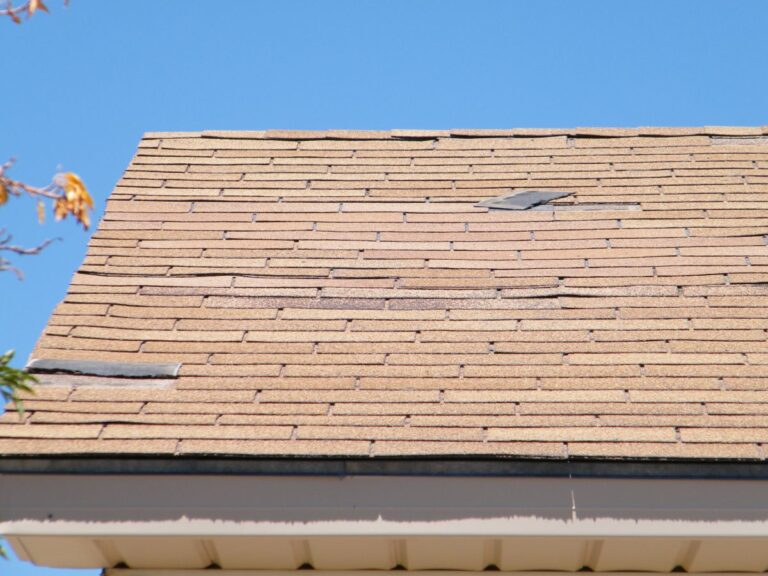
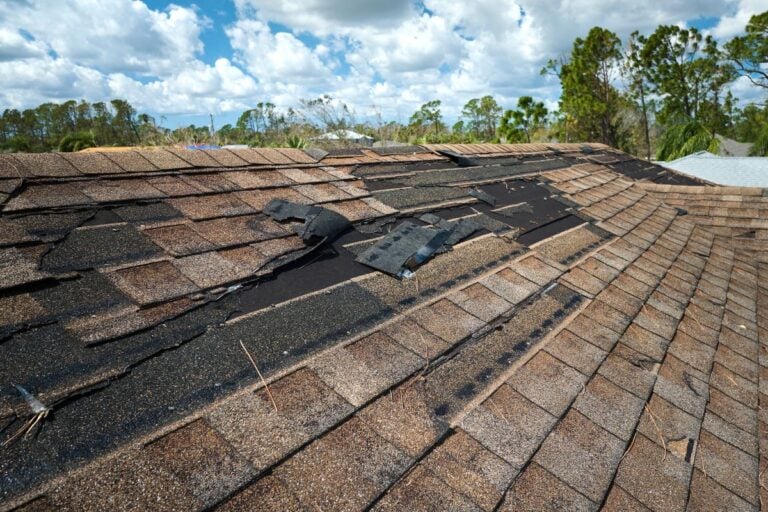
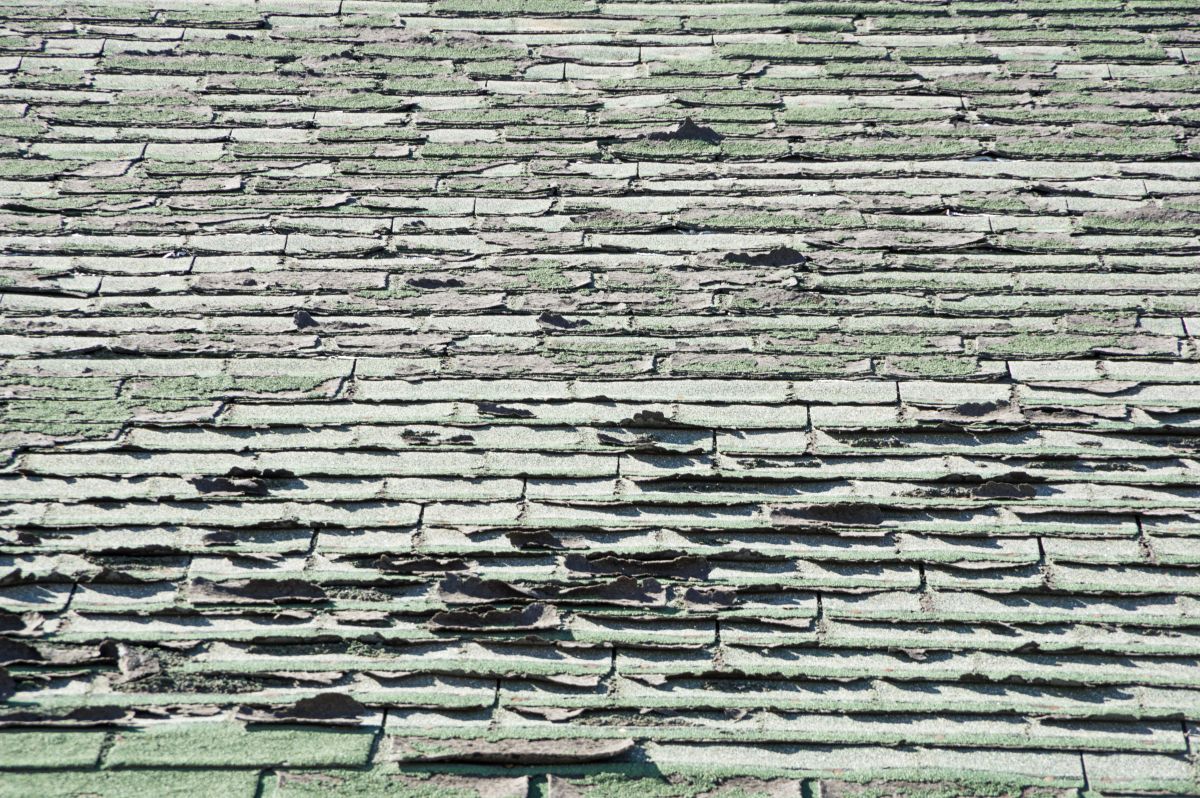
Curling shingles isn’t just about looks—it’s a warning sign. When shingles begin to lift, buckle, or curl at the edges, they can no longer fully protect your home from the elements. Ignoring curling can lead to water damage, energy loss, and even structural problems over time.
- Moisture Infiltration: Curled shingles allow water to seep underneath, increasing the risk of leaks and rot.
- Decreased Energy Efficiency: Gaps in your roofing layer reduce insulation performance, leading to higher heating and cooling bills.
- Reduced Wind Resistance: Lifted shingles are more vulnerable during storms and can be torn off easily.
- Premature Roof Failure: If not addressed early, curling can shorten the overall lifespan of your roof.
- Lower Home Value: Visibly damaged shingles reduce curb appeal and raise concerns during home inspections.
Understanding the causes of curling helps you take corrective action before major repairs are needed.
6 Common Causes of Curling Shingles
If you’ve noticed curling on your roof in North Canton, OH and surrounding areas, the issue may be due to one or more of the following causes. Each factor plays a role in how well your shingles hold up over time.
1. Age and Natural Wear
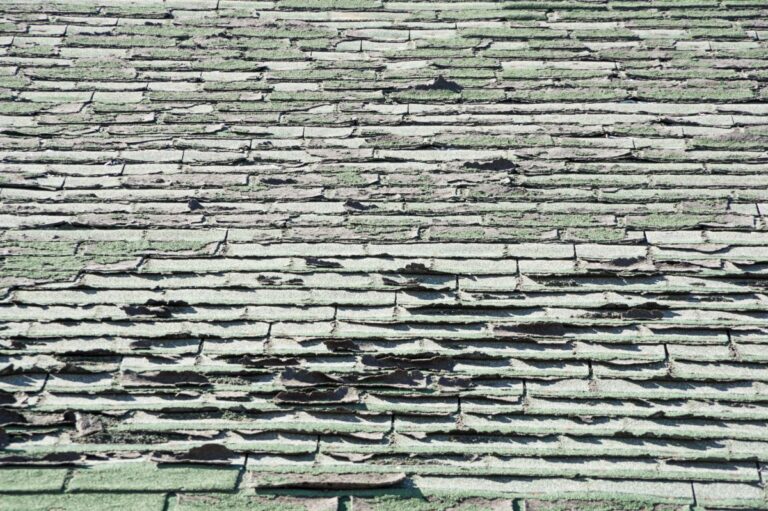
The most common reason shingles curl is simply age. Asphalt shingles are designed to last around 20 to 30 years, depending on their quality and local weather conditions. As they near the end of their lifespan, the protective granules wear off, the asphalt dries out, and the edges begin to curl.
- Older shingles become brittle and lose their flexibility
- UV rays accelerate the aging process
- Curled edges are often accompanied by granule loss
If your shingles are past their prime, curling is often a signal that replacement is near.
2. Poor Ventilation
A roof that can’t breathe is a roof that’s going to fail early. When your attic doesn’t have adequate airflow, heat and moisture become trapped under the roof deck. This excess heat can cause shingles to overheat from below, forcing them to warp and curl.
- Trapped moisture also leads to mold growth and wood rot
- Ice dams are more likely in poorly ventilated attics
- Proper soffit and ridge vent design is key to airflow
North Canton, OH and surrounding areas experience both cold winters and hot summers, making proper attic ventilation essential year-round.
3. Improper Installation
Shingles that are not nailed correctly—or installed with shortcuts—can start to curl well before they reach their expected lifespan. This is especially common when too few nails are used, the nails are misaligned, or starter strips are skipped altogether.
- Nailing too high on the shingle weakens its hold
- Failing to seal edges allows wind uplift
- Incorrect overlap creates moisture pathways
A poor installation job almost always results in premature curling, regardless of shingle quality.
4. Multiple Layers of Shingles
Some homeowners choose to install new shingles over old ones to save on removal costs. Unfortunately, this can lead to curling in the top layer. Without a flat, stable surface, new shingles can shift, settle unevenly, or trap moisture between the layers.
- Adds excess weight to roof decking
- Prevents proper sealing of new shingles
- Hides underlying damage, leading to more rapid failure
Most reputable contractors will recommend full tear-offs to avoid these long-term risks.
5. Low-Quality Shingle Material
Not all asphalt shingles are created equal. Lower-grade shingles may look similar to premium ones initially, but they often lack the same granule protection and UV resistance. Over time, this leads to faster degradation and edge curling.
- Thinner shingles dry out faster
- Less adhesive backing leads to poor seal-down
- Budget shingles may only last 10–15 years
Investing in higher-quality shingles with good warranties can prevent many issues, including curling.
6. Moisture From Inside the Home
Bathroom exhaust fans, kitchen vents, or humidifiers that vent into the attic instead of outside can cause humidity to build up under your roof deck. That constant moisture weakens your shingles from below, leading to curling, warping, and rot.
- Always ensure bathroom and kitchen fans vent to the exterior
- Consider attic fans or dehumidifiers for high-moisture homes
- Schedule regular attic inspections to catch signs of dampness
This hidden moisture source is often overlooked until the damage is extensive.
How to Fix Curling Shingles (And When to Replace)
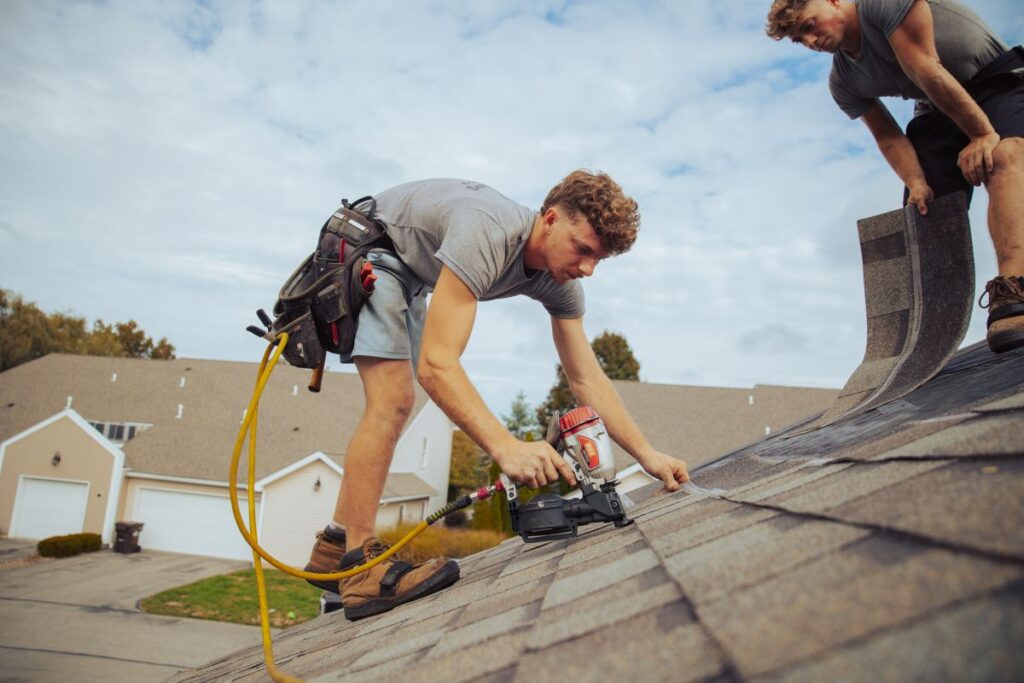
If you’ve noticed curled shingles, there are a few options depending on the extent of the damage. Some problems can be repaired; others may indicate that full roof replacement is the better choice.
Repair vs Replace: What to Consider
- Small Areas of Curling: If just a few shingles are affected, they can sometimes be resealed with roofing cement or replaced individually.
- Widespread Curling: When large portions of your roof show curling, patch repairs won’t solve the underlying issues. A replacement is more cost-effective long term.
- Age of Roof: If your roof is over 20 years old, it’s often better to replace it entirely rather than continue repairing small sections.
Temporary Repairs
- Use roofing adhesive to reseal curled edges
- Nail down lifted shingles and apply roofing tar as a temporary fix
- Replace single shingles that are cracked or deformed
These solutions are stop-gaps, not long-term fixes. A professional inspection can help determine whether repairs are still viable or if you’re better off planning for a replacement.
How to Prevent Curling Shingles in the Future
Prevention is often easier and cheaper than repairs. By taking a proactive approach, you can avoid the most common causes of curling and extend your roof’s lifespan.
- Ensure Proper Ventilation: Confirm your attic has adequate intake and exhaust ventilation to regulate heat and moisture.
- Use Quality Materials: Invest in shingles from trusted manufacturers with solid warranties and proven durability.
- Hire Qualified Contractors: Work with roofing professionals who follow manufacturer installation guidelines and pay attention to detail.
- Inspect Your Roof Seasonally: Look for signs of curling, loose shingles, or damaged flashing, especially after storms.
- Keep Gutters Clear: Clean gutters and downspouts allow for proper water runoff and reduce the chance of moisture pooling near the roof edge.
- Avoid Roof-Over Installations: Always tear off the old shingles before installing new ones to prevent layering issues.
These steps can go a long way in keeping your roof healthy and performing at its best.
Comparison: Curling vs Other Shingle Damage
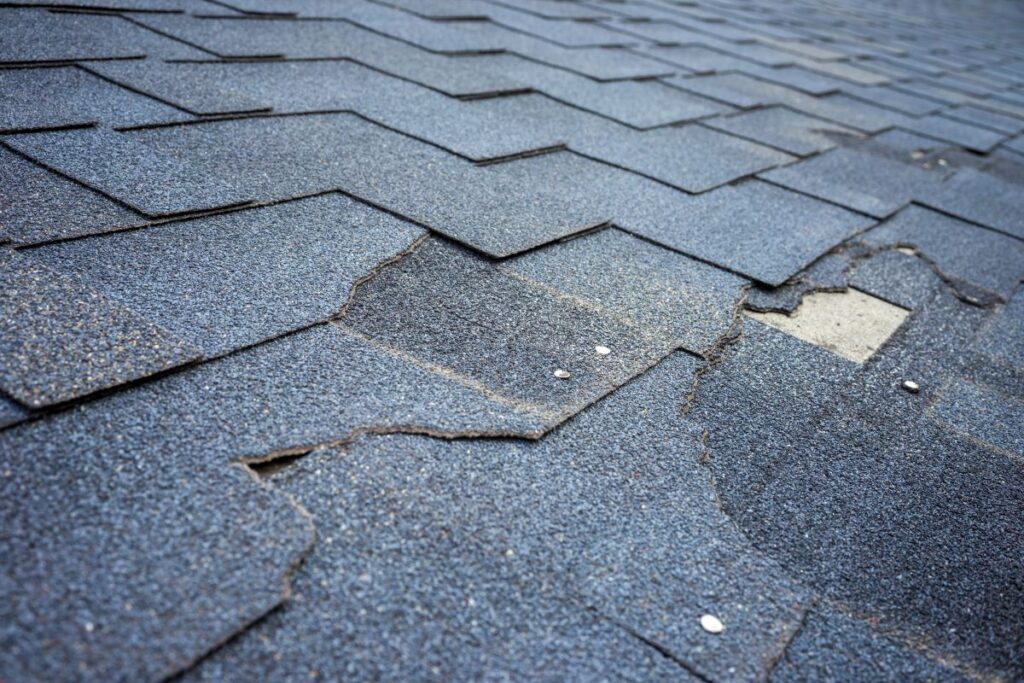
Curling is just one type of shingle issue. It’s helpful to know how it compares to other common problems you might encounter.
| Issue | Description | Causes | Repairability |
| Curling | Edges of shingles turn upward | Age, poor ventilation, improper installation | Sometimes repairable |
| Cracking | Visible breaks in shingle surface | UV exposure, dryness | Often requires replacement |
| Blistering | Raised bubbles on the surface | Moisture or poor ventilation | Typically cosmetic, may worsen |
| Granule Loss | Bare spots where granules are missing | Age, weather, foot traffic | No repair—indicates aging |
| Lifting | Shingles pulled up from deck | Wind, improper nailing | May be re-nailed if undamaged |
If your roof has more than one of these issues, it’s a strong sign that professional evaluation is needed.
Protect Your Home From Curling Shingles and More
Curling shingles are a clear warning that your roof may be compromised. Whether it’s aging materials, moisture buildup, or a flawed installation, the key is to address the issue early—before leaks and damage spread to other parts of your home.
If you’re in North Canton, OH and surrounding areas and have noticed curling or other signs of roof wear, Keim Quality Roofing is here to help. We offer detailed inspections, honest guidance, and high-quality solutions designed to last. Don’t wait for curling shingles to turn into costly repairs—contact us today to schedule your evaluation with Keim Quality Roofing.